DRC : Kinshasa and Gitega strengthen their military alliance in South Kivu
SOS Médias Burundi
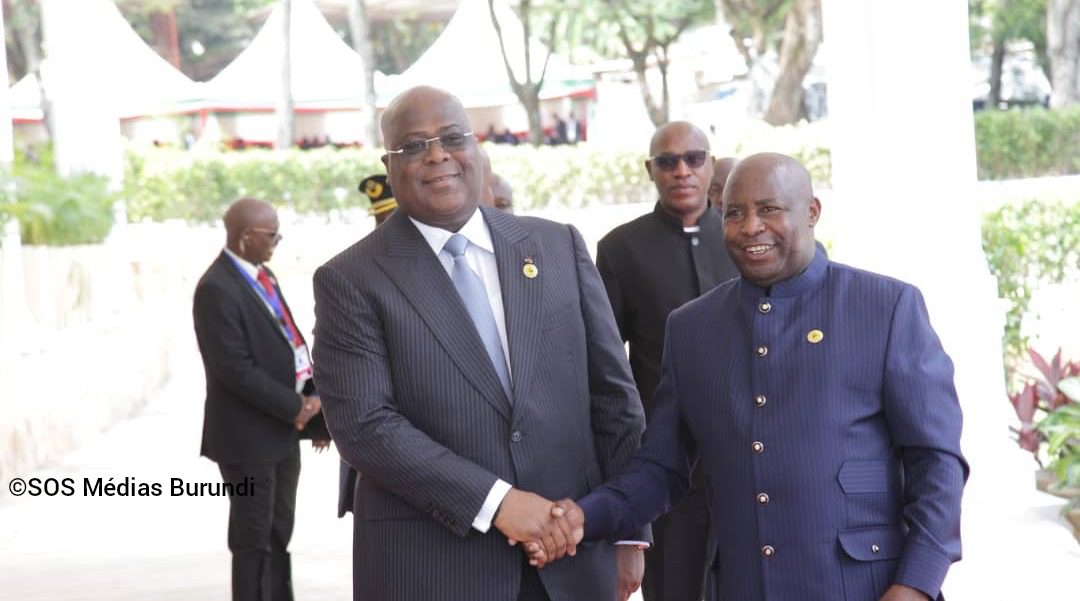
Goma, June 29, 2026 – The presidents of the Democratic Republic of Congo, Félix Tshisekedi, and Burundi, Évariste Ndayishimiye, met in Kinshasa on June 22 to assess the evolving security situation in the territories of Fizi and Uvira, in South Kivu. This meeting served to consolidate military cooperation between the two countries in the Minembwe highlands, the scene of intense fighting for several months.
According to several Congolese and Burundian security sources, the two leaders reviewed the military operations conducted since February 2026 against armed groups active in the region. They decided to reinforce the troops deployed on the ground, improve the operational capabilities of the forces involved, notably through the acquisition of drones, and review intelligence systems to limit leaks of military information.
The same sources indicate that a plan to neutralize certain strategic infrastructure, including the Minembwe airfield, is also being considered in order to restrict air traffic in this combat zone.
On the ground, the fighting remains intense. The armed group Twirwaneho, an ally of the M23, recently announced that it had taken control of the towns of Kakenge, Ilundu, Bidegu, and Kitavi, after fierce fighting against the Armed Forces of the Democratic Republic of Congo (FARDC) and their allies.
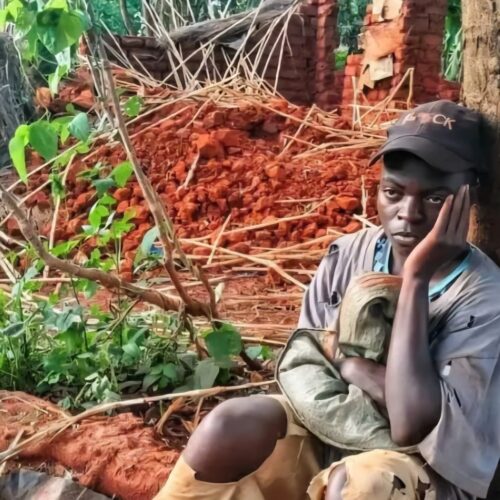
Meanwhile, several civil society organizations and NGOs are reporting severe humanitarian consequences for the civilian population. They report that bombings have damaged several infrastructures, including the school in Ilundu and the Minembwe General Hospital. Homes have also been destroyed and several people killed or wounded. Some organizations are also accusing local armed groups of burning houses in several villages.
Since February 2026, the intensification of fighting, marked by the use of heavy weapons and drones, has worsened the humanitarian crisis in the Fizi highlands. Thousands of civilians have been forced to flee their homes, while humanitarian needs continue to grow in this part of eastern DRC.
Burundi and the DRC have a bilateral agreement authorizing the Burundi National Defense Force (FDNB) to deploy troops in eastern DRC. Between August 2022 and December 2025, more than 29,000 Burundian soldiers were deployed in the provinces of North Kivu and South Kivu to fight alongside the Armed Forces of the Democratic Republic of Congo (FARDC) and the Kinshasa-backed Wazalendo militias against the M23 rebels.
After capturing Goma in January 2025, the Burundian army concentrated its forces in South Kivu before conducting several strategic withdrawals following the fall of Bukavu less than a month later. In December 2025, Gitega repatriated most of its contingent following advances by the M23 and its allies, who had seized control of a large part of the Rusizi Plain, including the strategic city of Uvira, located just a few kilometers from Bujumbura, the commercial capital of the small East African nation.
A few weeks later, the rebels withdrew from Uvira and then from much of the Rusizi Plain, following diplomatic pressure, notably from the United States. In South Kivu, the armed group Twirwaneho remains one of the M23’s main local allies in the highlands.
The M23 is a former Tutsi-dominated rebellion that resumed hostilities in late 2021, accusing Congolese authorities of failing to uphold the commitments of previous peace agreements. The movement is now part of the Congo River Alliance (AFC), led by Corneille Nangaa, former president of the Independent National Electoral Commission (CENI). The coalition advocates for the establishment of a federal state in the Democratic Republic of Congo.
Currently, the AFC/M23 controls large portions of North Kivu and South Kivu provinces, including the cities of Goma and Bukavu, as well as several strategic territories.
The AFC/M23’s advance is occurring against a backdrop of significant regional tensions. Kinshasa accuses Kigali of supporting the rebel movement, an accusation Rwanda categorically denies. Kigali, in turn, accuses the DRC and Burundi of collaborating with the Democratic Forces for the Liberation of Rwanda (FDLR), a Rwandan Hutu armed group whose leaders are accused of participating in the 1994 genocide against the Tutsis.
Despite diplomatic initiatives undertaken at the regional and international levels, fighting continues in eastern DRC. This conflict, which has lasted for nearly three decades, continues to fuel one of the most serious humanitarian crises on the African continent.
You might also like
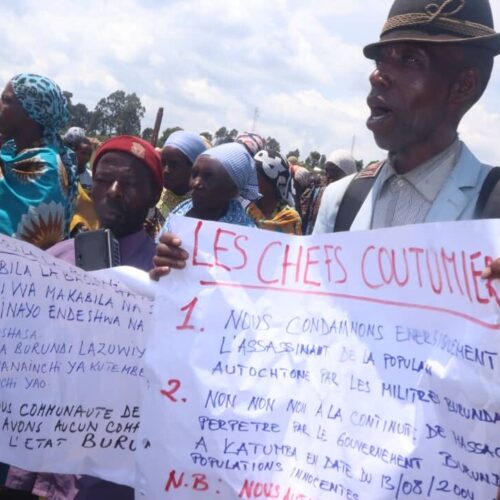
Minembwe : two dead and several wounded in a bombing reported in Ilundu/Basita
SOS Médias Burundi Bukavu, June 7, 2026 – Two people were killed and six others wounded in bombings that occurred overnight from Saturday, June 6, to Sunday, June 7, in
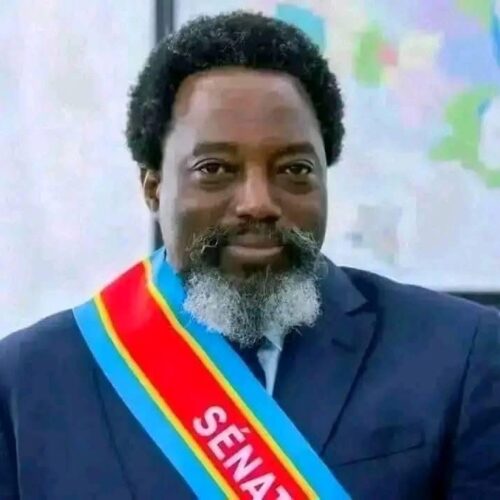
DRC : Joseph Kabila sentenced to death by a military court
SOS Médias Burundi Goma, October 1, 2025 – Former President of the Democratic Republic of Congo, Joseph Kabila, was sentenced to death on Tuesday, September 30, by the Kinshasa High

Burundi-Tanzania : forced refugee repatriation under pressure, $82 million still missing
SOS Médias Burundi Bujumbura, March 5, 2026 — Burundi has presented an ambitious plan to facilitate the return and reintegration of refugees, primarily from Tanzania. Since the 2015 crisis, more