Dzaleka : two pregnant refugees die before giving birth, testimonies denounce conditions of access to healthcare in Dowa
SOS Médias Burundi
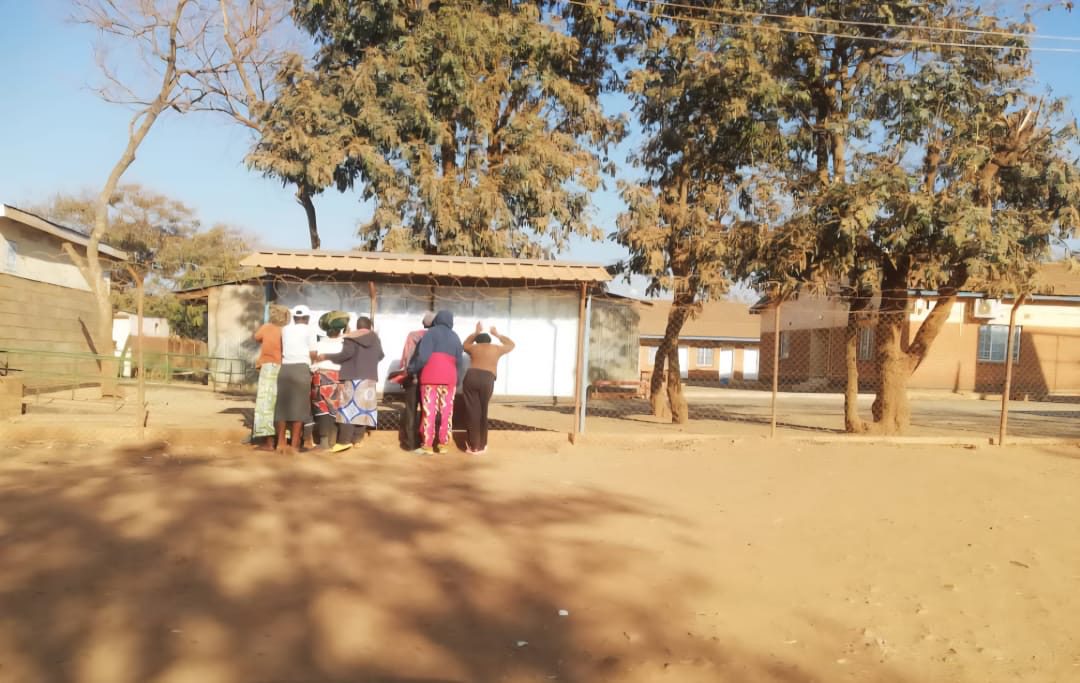
Dzaleka, August 17, 2026 — The Dzaleka refugee camp, located in the Dowa district of central Malawi, is facing renewed concerns regarding access to healthcare. Two Burundian refugee women died at the Dowa district hospital while about to give birth. Refugees are denouncing alarming conditions of care, including financial hardship.
The two women had been urgently transferred to the Dowa referral hospital following complications related to their pregnancy and childbirth.
According to a witness who claims to have seen the scene, the situation escalated when the two women were no longer able to pay a sum presented as a “deposit.”
“That’s when the nurses stopped paying them any attention,” he says, denouncing what he calls “extreme criminality.”
The witness also emphasizes the financial difficulties refugees face in accessing healthcare.
“They had used all their savings to buy fuel for the ambulance that was supposed to take them to the hospital. This situation is truly catastrophic and alarming. How can a destitute refugee find themselves in such a chaotic situation? We deserve better than this,” he says.
Accusations of discrimination
Several refugees are denouncing what they consider to be a form of discrimination in access to healthcare at Dowa Hospital.
“In this hospital, citizens receive free treatment, but for refugees, an unacknowledged sum, which varies according to the severity of the illness, is paid to nurses for preferential treatment. This is unacceptable. We should be subject to the same treatment,” they testified.
According to several refugees interviewed, the two deaths are not isolated incidents. They claim that “at least two refugees die every month” at Dowa Hospital because they are unable to pay certain medical fees.
These claims could not, however, be independently verified.
The refugees also denounce what they describe as a lack of response from the camp’s administrative authorities and the United Nations High Commissioner for Refugees (UNHCR). They accuse them of “taking the lives of refugees lightly” and demand an urgent improvement in access to healthcare.
Authorities promise a solution
Faced with these concerns, the camp’s administrative authorities and the UNHCR have reportedly promised to seek a solution to this problem, particularly in the health sector.
The refugees hope that these commitments will be quickly followed by concrete actions to prevent other vulnerable people from finding themselves in similar situations.
A camp far exceeding its capacity
The Dzaleka camp is experiencing rapid population growth. Originally designed to accommodate approximately 12,000 people, it now hosts more than 50,000 refugees, including over 11,000 Burundians, according to sources within the camp.
According to the refugees, this rapid population growth is not accompanied by sufficient development of basic infrastructure, particularly in the health sector.
For the refugees, the two deaths have reignited concerns about access to healthcare in a camp already facing high population density and limited resources.
You might also like
Nduta : end of a camp, beginning of a human tragedy
SOS Médias Burundi, Nduta, March 20, 2026—Nearly 85% of the Nduta camp has been destroyed. Thousands of Burundian refugees now live in overcrowded centers, without shelter, without medical care, and
Nakivale (Uganda) : school dropouts among Burundian refugees reach new heights
School dropouts are reaching a peak at the Nakivale camp among Burundian refugees : 60%, according to teachers for the first term alone. The main cause given is the lack

Tanzania : camp destruction and pressure on Burundian refugees for forced repatriation
SOS Médias Burundi Kigoma, January 6, 2026 – More than 3,000 houses have been destroyed in Nyarugusu, leaving hundreds of Burundian families homeless. Under the pretext of “voluntary” repatriation, many