Nakivale (Uganda) : drinking eater shortage raises fears of a health crisis
SOS Médias Burundi
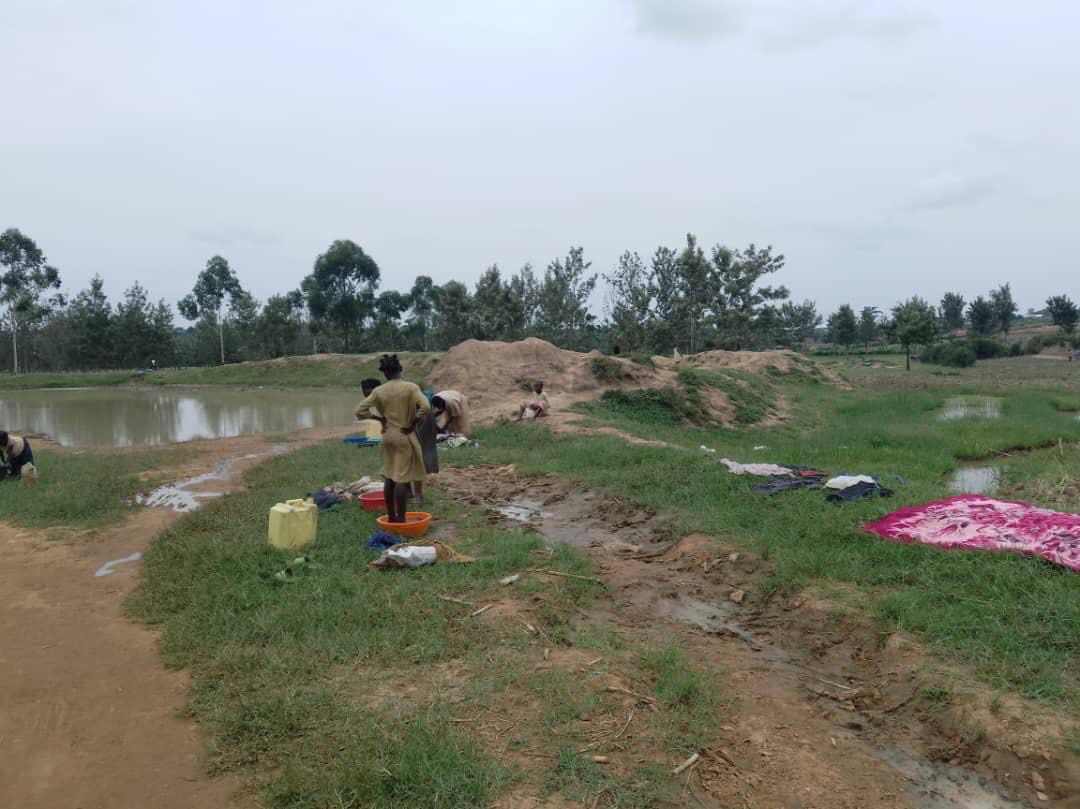
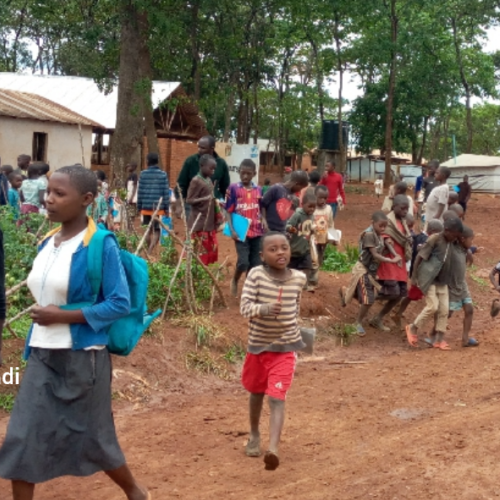
Nakivale, September 21, 2026 — In the Nakivale refugee camp in Uganda, access to drinking water is becoming increasingly difficult. The high cost of water, the distance to supply points, and hygiene problems are worrying refugees, who are calling for urgent intervention from the United Nations High Commissioner for Refugees (UNHCR) and the Ugandan authorities.
Anger and anxiety are rising in the camp. Many families are forced to travel long distances to find water or buy it at a price they can barely afford.
For some residents, Lake Nakivale is one of their main sources of water. But its remoteness considerably complicates the daily lives of families, especially women, children, and vulnerable people.
For a refugee mother, the choice between buying food and obtaining drinking water sometimes becomes impossible.
“I can’t afford both food and drinking water. We need the UNHCR to provide it,” she says.
This situation illustrates the precariousness in which some families in the camp live. When they have to buy water, the price of a 20-liter jerrycan represents an additional expense that is difficult to bear.
“We are forced to drink dirty water,” the refugee adds.
Health concerns
Beyond the financial hardship, refugees are worried about the health consequences of the lack of drinking water. The insufficiency of clean water makes regular handwashing and other essential hygiene practices particularly difficult.
A Burundian refugee describes a situation he considers alarming, particularly for children and pregnant women.
“Many children and pregnant women suffer from illnesses related to poor hygiene because we are forced to drink dirty water. We are miserable.”
The refugees fear that the health problems will worsen if access to clean water is not improved quickly.
An appeal to the UNHCR and the authorities
Faced with this situation, the residents of Nakivale are calling for swift intervention from the UNHCR, the Ugandan authorities, and humanitarian organizations.
They are demanding, in particular, a regular supply of clean water, more water points near homes, and support for the most vulnerable families so they no longer have to choose between buying water and food.
For the refugees, the message is simple : clean water is not a luxury, but a vital necessity.
As health concerns grow, they hope their plea will be heard before the situation worsens.
“We are miserable,” sums up the Burundian refugee, reflecting the distress of many families who face daily difficulties accessing water.
The Nakivale camp hosts a large refugee population of various nationalities, including more than 33,000 Burundians. Access to drinking water remains a critical issue for the health, hygiene, and living conditions of families.
You might also like
“Rejected everywhere” : Congolese refugees threatened with return to transit centers in Burundi
SOS Médias Burundi Musenyi, May 5, 2026 — In Burundi, the situation of some Congolese refugees living at the Musenyi site in Burunga province, in the southeast of the small
Musasa : impoverished parents, teachers on the run… a school year under high anxiety
SOS Médias Burundi Musasa, August 31, 2026 — Just days before the start of the school year, scheduled for September 7, anxiety is growing among families in the Musasa refugee
 : drinking eater shortage raises fears of a health crisis)
Nyarugusu (Tanzania): a concerning showdown between two humanitarian organizations
In the Nyarugusu camp, two humanitarian NGOs compete in the area of education. These are “Save the Children” and “IRC”. As a result, schools did not open on Monday. INFO