
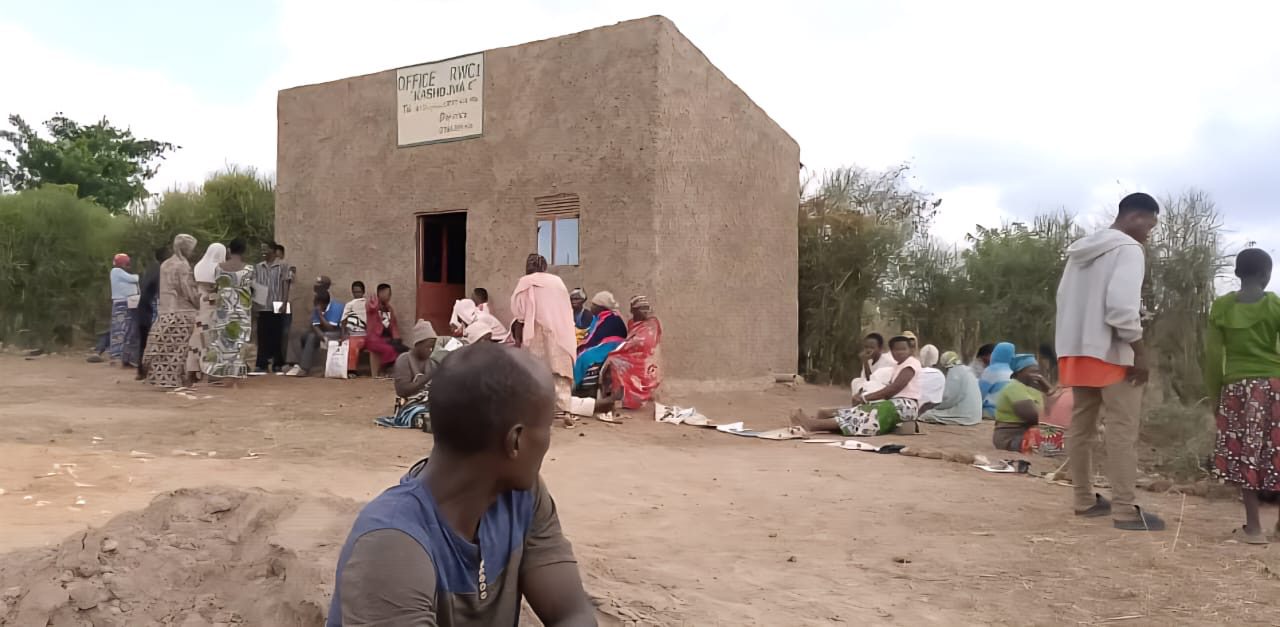
Photo of the week-Nakivale : new refugees under surveillance in the villages
In Nakivale, in southwest Uganda, a refugee identification operation has been underway since mid-August in the different villages of the camp. The initiative aims to strengthen security in an area recently facing several cases of robberies, murders and sexual assaults.
In different villages of Nakivale, village chiefs are responsible for identifying the inhabitants living in their locality. Refugees are invited to present themselves to local officials with photos of their family members so that their presence is recorded.
The stated objective is to allow local authorities to better understand the people living in each village and to facilitate security interventions.
Particular attention is given to new arrivals. In recent months, several refugees, notably Burundians who arrived from Tanzania, have joined Nakivale after the closure of two camps hosting Burundian refugees in this country.
Village leaders were instructed to pay special attention to new faces and identify them in their respective areas.
Refugees concerned about taking photos
In the offices of village chiefs, long queues form every day. Refugees wait their turn to be registered and provide the requested information.
But the operation also raises concerns among some refugees, particularly regarding the use and retention of photos taken during identification. These images are then kept in registers kept by village officials.
A Burundian refugee who recently arrived from Tanzania and settled in the village of Kashojwa C says that several questions remain unanswered.
“We have several questions, especially since there were no information meetings. We fear that some people will not be identified and that one day they will be considered unknown or even criminals,” he explains.
New arrivals still without documents
For several refugees who recently arrived from Tanzania, the situation is more worrying as they have not yet obtained their documents officially attesting to their refugee status.
Some also say they do not have a fixed address or suitable accommodation. They are calling on the United Nations High Commissioner for Refugees (UNHCR) and the Ugandan government to speed up their treatment and provide them with housing and other necessary forms of assistance.
Food insecurity is also a source of frustration for some newcomers.
“Some of us go from house to house begging for food from neighbors. We are fed up with this situation while we have been received like refugees,” they testify.
Village leaders call for participation
Faced with the crowds observed in local offices, village leaders are calling on all refugees to come forward in order to be identified.
For local officials, the operation should allow them to better understand the population present in each village and contribute to the fight against crime.
The challenge now is to identify residents while responding to the concerns of new arrivals, particularly regarding their status, their housing, their access to assistance and the management of the data collected.
The census comes as Nakivale hosts a large refugee population. The camp has more than 150,000 refugees, including more than 35,000 Burundians, according to figures communicated as part of this operation.
Our photo : refugees are registering as part of the ongoing identification operation in villages in Nakivale camp, southwest Uganda
You might also like
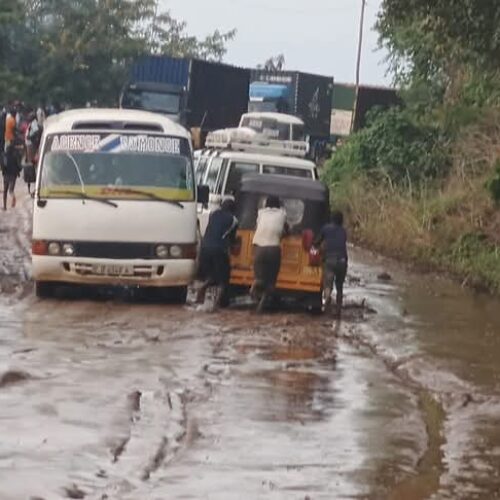
Photo of the week- Deteriorating roads in Burundi : a neglected network, users at their wits’ end
Across the small East African nation, road users—particularly those transporting goods and people—are sounding the alarm about the advanced state of road infrastructure. Between a lack of maintenance, overloaded vehicles,
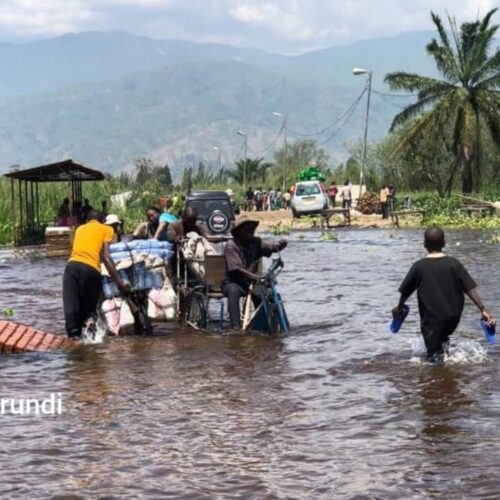
Photo of the week-Lake Tanganyika : more than a lake, a life threatened by inaction
Lake Tanganyika, one of the world’s largest freshwater lakes, benefits from exemplary cooperation between Burundi, the DRC, Tanzania, and Zambia through the Lake Tanganyika Authority (LTA). However, in Burundi, inaction
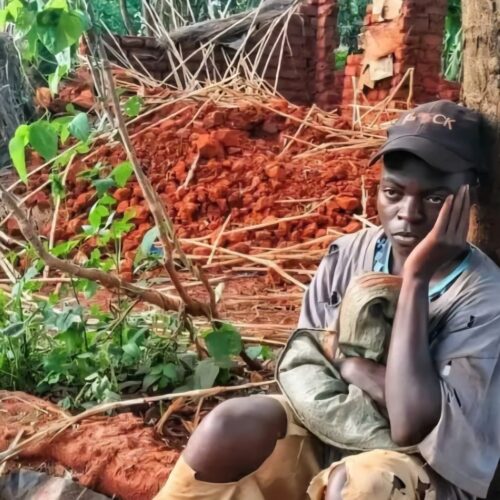

Photo of the week-Nduta : end of a camp, beginning of a human tragedy
Nearly 85% of the Nduta camp has been destroyed. Thousands of Burundian refugees now live in overcrowded centers, without shelter, without medical care, and awaiting forced repatriation. The Nduta camp,