
Tanzania: Burundian refugees plead for a better year
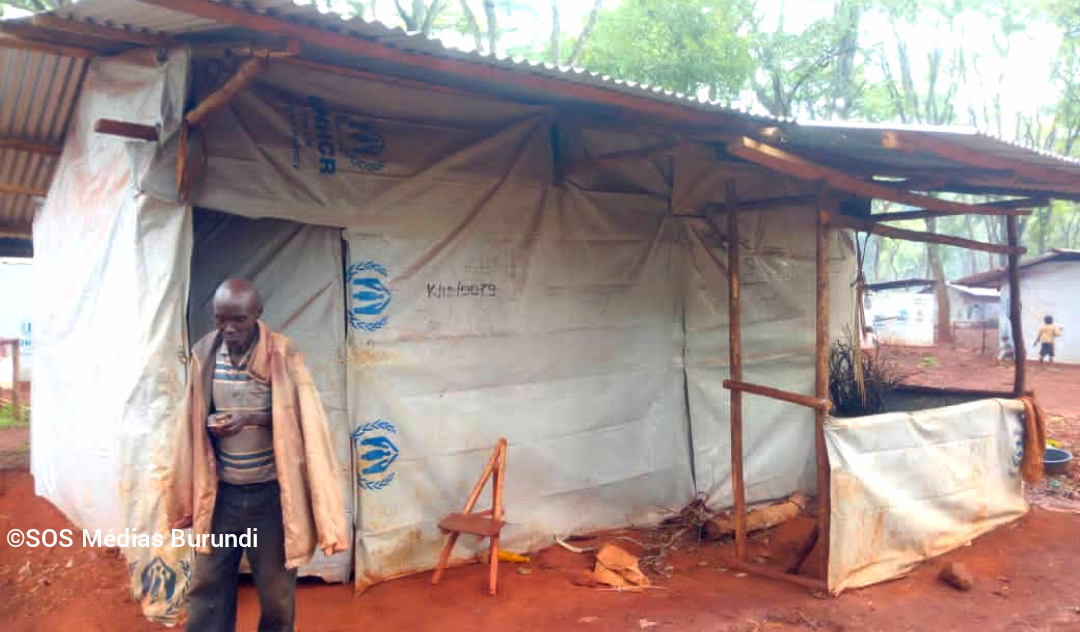
In 2022, Burundian refugees settled in the Nyarugusu and Nduta camps say they have experienced several difficulties and been victims of several violations. They ask the UNHCR, Tanzanian authorities and other partners to ensure that this year is “less severe”. INFO SOS Médias Burundi
For Burundian refugees sheltered by Tanzania, “2022 has been a very bitter year for us”.
“We had security problems, some of us were killed, others were kidnapped and never reappeared, food assistance was significantly reduced, access to health care was very difficult for us [. ..]”, list occupants of the Nyarugusu and Nduta refugee camps in northwestern Tanzania.
Several refugees remember the destruction of their crop fields and the destruction of stalls and shops in the markets located inside the camps.
“A way of forcing us to return to Burundi”.
Community leaders believe that the situation has become more complicated since April when Tanzanian authorities ordered humanitarian NGOs to “reduce the aid granted to Burundian refugees” to “encourage them to voluntary repatriation”.
“Reasons that led us to flee our country remain valid. The Tanzanian government, the UNHCR and its partners should properly assist us by respecting conventions and laws governing refugees and asylum seekers”, plead representatives of Burundian refugees who confided in SOS Médias Burundi.
The Burundian government sent emissaries to Tanzania to convince refugees to return. It believes that there is “appeasement” in the country and that “all Burundians who are not wanted by judiciary should return to the country in order to contribute to the development of their homeland”.
“They will never be able to convince us because we follow what is happening in our country. And moreover, we are witnesses of serious human rights violations and abuses reported every day in Burundi because there are refugees who have been kidnapped by the Burundian intelligence in collaboration with Tanzanian services. Some have never reappeared. Others have ended up in prisons in Burundi and have not yet been released even though judges acquitted them after a lack of evidence justifying the accusations of participation in rebel groups against them in particular”, say refugees.
Until now, Tanzania remains the first country hosting a lot of Burundian refugees. It hosts more than 145,000 Burundians, the majority having fled in 2015 following a crisis triggered by another controversial term of the late President Pierre Nkurunziza.
The voluntary repatriation program launched in 2017 continues with less enthusiasm among refugees.
At the end of last November, Burundian government emissaries in refugee camps in Nduta and Nyarugusu announced that the small East African nation plans to repatriate more than 70,000 refugees in 2023.
You might also like
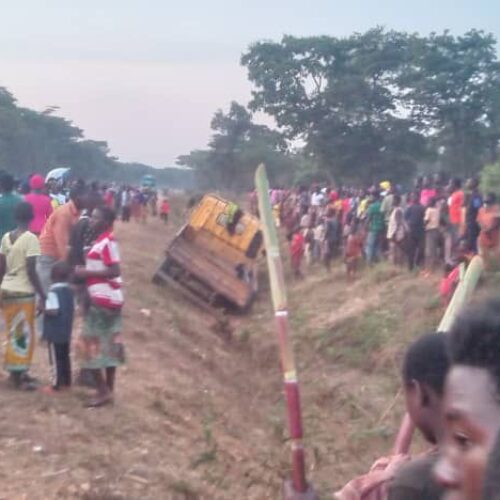
Nduta (Tanzania) : two Burundian refugees killed in a road accident, their families demand compensation
SOS Médias Burundi Nduta, July 2, 2025 – A tragic accident occurred on Monday in the Nduta refugee camp, located in Kibondo District, northwest Tanzania. A truck belonging to a
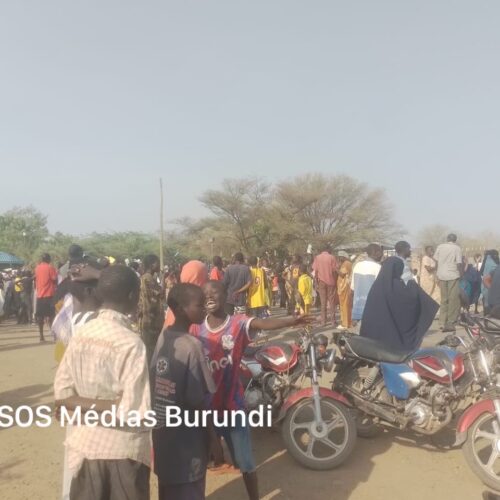
Kakuma : the UNHCR focuses on self-reliance to reduce the refugee dependency
SOS Médias Burundi Kakuma, February 2, 2026 – The United Nations High Commissioner for Refugees (UNHCR) has launched a program to financially empower refugees in the Kakuma camp and its
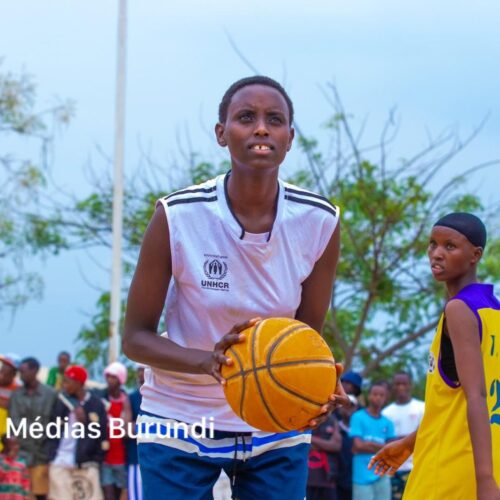

Rwanda : Mahama wins the inter-refugee camp tournament
SOS Médias Burundi Mahama, August 18, 2025 – From August 11 to 17, the Mahama refugee camp in eastern Rwanda hosted the inter-camp tournament, bringing together teams from all refugee