
Meheba (Zambia) : prolonged drought worries refugees
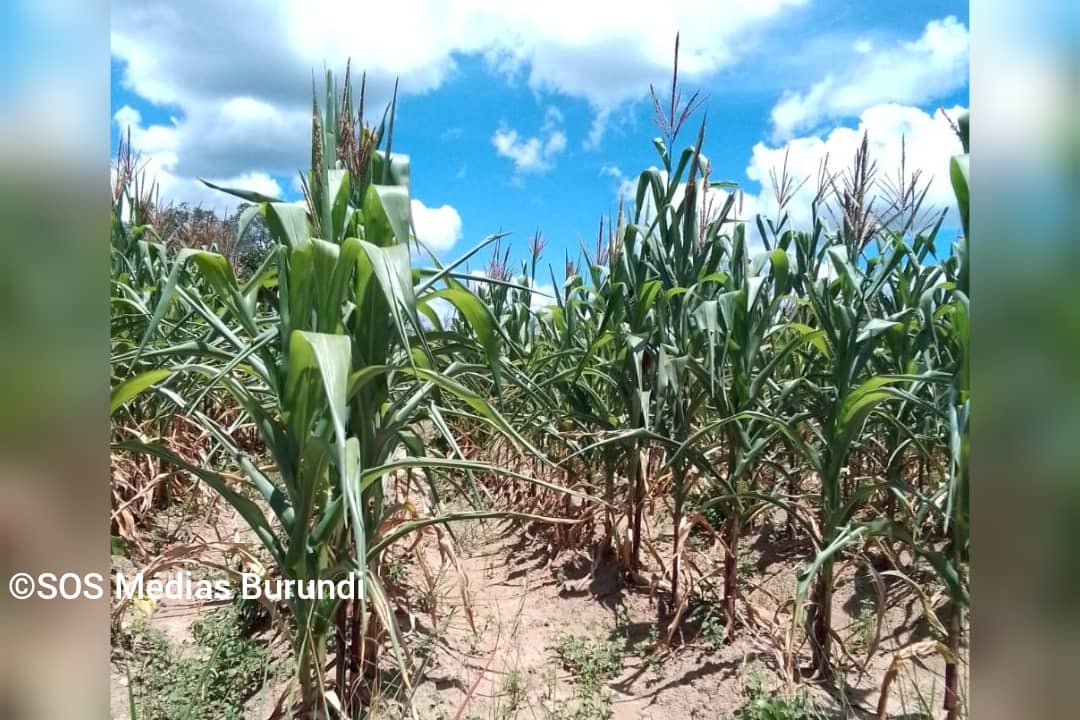
Much of Zambia is affected by drought, which is causing growing concern about its detrimental impact on agricultural production. At the Meheba camp, discontent is becoming increasingly heard. INFO SOS Médias Burundi
At Meheba camp in northwest Zambia, there are concerns about climate change.
Refugees who only make a living from agriculture no longer know which way to turn.
“We were about to prepare land to grow beans. The first had already laid the seeds. But the rain has stopped since last January,” they indicate.
Bean and corn fields on Road 36 and Road 44 are more affected.
“It is very discouraging to see corn fields which should be harvested in March and April or the beans which were germinating already hit by drought. We hope to get nothing from agriculture for this season”, regret Burundian refugees who spoke to SOS Médias Burundi.
Cooperatives and beneficiaries of projects like those of the Caritas organization are starting to count their losses.
“The desolation is total for those who have contracted debts within the cooperatives and the beneficiaries of the income-generating projects here in the camp. How will they explain the situation to their landlords? They risk losing credibility,” say community leaders from the Meheba camp.
The latter are asking for help from the government and the UNHCR. They also invoke the leniency of creditors and supervisors of cooperatives and farmers’ associations. “This natural disaster took them by surprise.”
“The Zambian government is concerned about the lack of rainfall in several government areas over the past few weeks,” spokesperson Cornelius Mweetwa said on the national radio and television after field visits over the last weekend.
Lusaka is concerned about the implications of this situation on the country’s food security.
The Zambian government stressed the urgent need to support agricultural activities and boost production in affected areas.
Furthermore, it noted that despite the initiatives taken by the government for the benefit of farmers, particularly through the purchase of fertilizers and seeds, concerns remain about the viability of corn crops due to low rainfall.
Several countries in southern Africa have been facing severe drought for several months caused by the “El Niño” weather phenomenon, jeopardizing cereal harvests for the current agricultural season.
According to the World Meteorological Organization (WMO), this climatic phenomenon is expected to continue until April 2024, influencing weather conditions with warmer weather and below-average rains.
Vulnerable populations such as refugees will be most affected.
Zambia is home to more than 71,000 refugees, including nearly 10,000 Burundians.
You might also like
Meheba (Zambia) : Burundian refugees leave Tanzania in desperate conditions
SOS Médias Burundi Meheba, Zambia, March 12, 2026 — Faced with the imminent closure of the Nyarugusu and Nduta camps in Tanzania, hundreds of Burundian refugees are fleeing Tanzania to
Tanzania: viongozi watawafukuza tena wakimbizi wa zamani wa burundi waliorudi uhamishoni
Kwa jumla, ni raia wa burundi 1048 wanaolengwa na hatua hiyo. Wote ni wakimbizi wa zamani waliorudi ukimbizini katika miaka miwili iliyopita baada ya kurudi nchini Burundi. Walengwa hao wanaomba
 : prolonged drought worries refugees)
Burundi: more than 70,000 Burundian refugees to be repatriated in 2023
The challenge was announced by the inspector general of the ministry for internal affairs and security on Tuesday during a visit in Nyarugusu camp. It’s under the same ministry that