
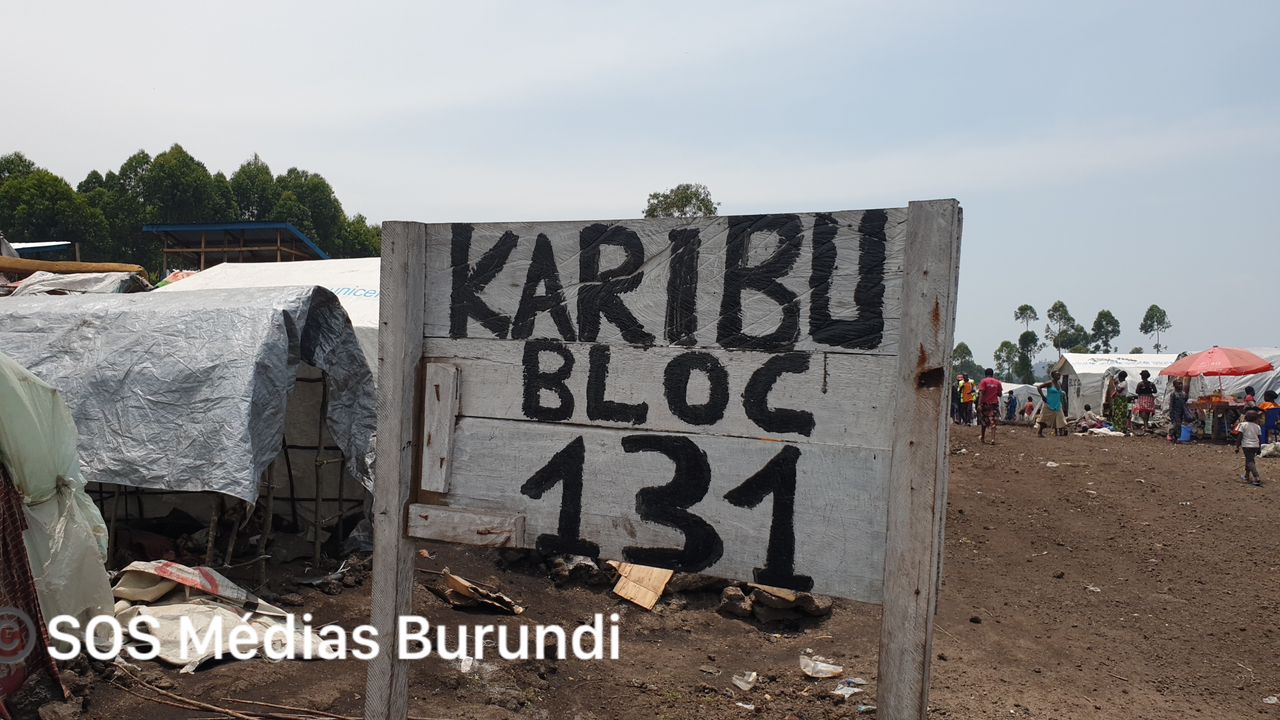
DRC: Mpox, a danger for displaced indigenous peoples in North Kivu
Since the beginning of the spread of monkeypox, also known as Mpox, in several localities in the Democratic Republic of Congo, authorities have tried to put in place several mechanisms to curb the contamination. Among other measures, the suspension of certain daily activities, especially in the eastern DRC, one of the regions of the country most affected by Mpox. As part of protecting themselves against Mpox, the Ministry of Health launched an appeal last week to the population to avoid any contact with animals that would be the starting point for the contamination of this disease. INFO SOS Médias Burundi
This disease of animal origin slows down activities of many Congolese in the province of North Kivu who live thanks to the Virunga National Park (PNV).
The displaced pygmies were the first to suffer the consequences of Mpox in North Kivu due to the lack of basic necessities that they obtain thanks to the PNV.
For these indigenous Congolese, “the spread of monkeypox constitutes a serious danger to our lives, especially at this time when many of us are on the move.”
“We pygmies live thanks to the forest. That is our life. And here in the camp we lived thanks to the park where we went to get firewood, or even small animals to feed our poor families. But since this disease has spread everywhere, authorities have ordered us not to return to the park. Now we are in danger because we do not even receive humanitarian aid like other Congolese,” says Jeanine Kakitu, a displaced pygmy in the Bulengo camp west of the city of Goma.
For other displaced pygmies, despite the difficult situation they are going through in the sites, compliance with measures to end this disease will not only help the population but also protect the environment.
“We know that this disease is very dangerous and we cannot oppose the orders of our authorities. We pygmies, yes we suffer, but we must also contribute so that this smallpox can end. This can also contribute to the protection of the environment,” said Joseph Ngango.
“I lead a miserable life here in the Bulengo camp but health and environmental protection remain a priority for me. Why looking for meat to be contaminated with Mpox and harm the environment, how will future generations live if I do not protect the environment? I think that even if we are displaced, we also have the power to act positively for the well-being of our environment,” stressed Bariyanga Habimana.
Mpox (or monkeypox) is what is called a viral zoonosis: an infectious disease transmitted to humans by an animal and caused by the virus of the same name.
It causes rashes or skin lesions, most often on the face, palms of the hands and soles of the feet.
The virus is initially transmitted “by direct or indirect contact with blood, body fluids, skin lesions or mucous membranes of infected animals,” according to the WHO.
Contact with respiratory secretions and skin lesions of sick people, or contaminated materials such as bedding or dishes, also poses a high risk of transmission.
Researchers have also recently become concerned about the emergence of sexual transmission of Mpox.
You might also like
Butihinda : denied care and neglect at Gashoho Hospital, Congolese refugees abandoned
SOS Médias Burundi Butihinda, February 26, 2026 – Congolese refugees living in the Kinama camp in Buhumuza province and the Musasa camp in Butanyerera province, in the east and north
Nduta (Tanzania) : controversial interviews worry Burundian refugees
SOS Médias Burundi Nduta, May 8, 2025 – Tanzanian authorities, in collaboration with the UNHCR and the Burundian government, have launched a series of interviews with Burundian refugees in the

Buhumuza : cholera outbreak, refugee buses at the heart of concerns
SOS Médias Burundi Ruyigi, December 28, 2025 – Residents of the districts of Butaganzwa and Ruyigi, in Buhumuza province in eastern Burundi, are expressing serious concern about the risk of