DRC: human rights activists and opposition denounce government decision to reinstate the death penalty
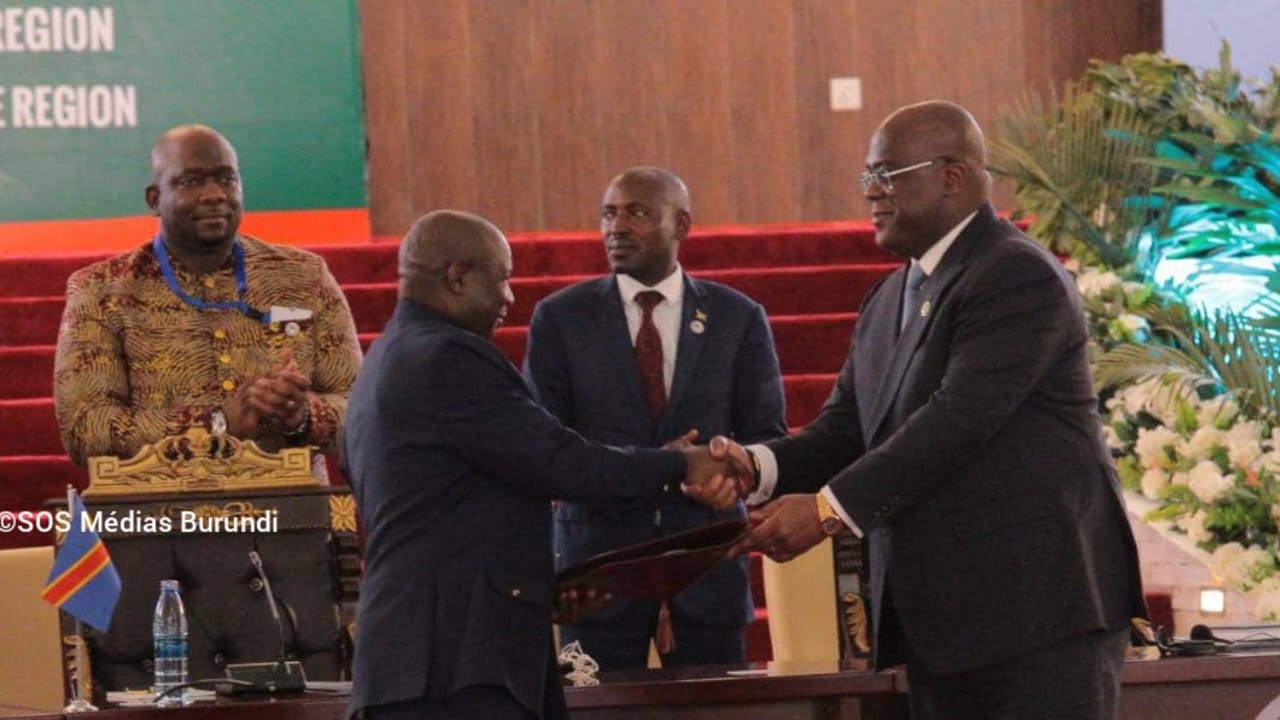
Capital punishment in the Democratic Republic of Congo has just been reinstated. The least we can say is that the measure is not unanimous. Apart from the majority, several social strata contest the restoration of the death penalty. INFO SOS Médias Burundi
According to the terms of the explanatory note reinstating the death penalty, this penalty is now applied to various serious crimes, in particular to criminal association, treason, espionage, participation in armed gangs, genocide, crimes against humanity. Crimes of desertion, cowardice, military conspiracy, rebellion, refusal of obedience to march against the enemy are part of this long list.
This decision comes following a plea from the Deputy Prime Minister of Defense who stressed the need to take “drastic measures to curb betrayals within the Armed Forces of the DRC (FARDC), particularly in this period of war”.
This March 18, Martin Fayulu, unsuccessful candidate in the 2023 presidential election, affirms that this decision threatens political opponents.
“The lifting of the moratorium on the death penalty in the DRC, by a regime which flouts the Constitution and the laws, as well as freedoms and human rights. In a climate of generalized injustice, this decision threatens resistance fighters and political opponents, exposing them to score-settling, through the use of the vague concept of traitor. The regime’s stated desire to consolidate its dictatorship is now clear”, reads the X account of Martin Fayulu, president of ECIDÉ- Commitment to Citizenship and development.
This opinion is shared by Cardinal Fridolin Ambongo who fears settling scores on the political level.
“This is a step backwards. I do not find that a responsible government can exercise such an option to punish people. The great traitors are in power because they do not assume the role for which they received the charges”, estimated the Archbishop of Kinshasa.
For many observers, the death penalty is back again due to the M23 war in eastern Congo, where some people are accused of collaborating with the rebels. Some are accused of being cowards and traitors.
Congolese Justice Minister Rose Mutombo sent a letter last week to civil and military courts outlining the basics of law enforcement.
She pointed out that the reasons why the government reinstated the death penalty which had been suspended in 2003 included the issue of treason, espionage and participation in armed gangs.
In her document, Minister Rose Mutombo also underlines that for 30 years in Eastern Congo, there have been repeated wars, provoked by foreign countries with the cooperation of certain Congolese.
Congolese citizens interviewed by SOS Médias Burundi find the decision to reinstate the death penalty inappropriate, as Democratic Republic of Congo President Félix Tshisekedi also said the country’s justice system is sick.
Regarding current laws, legal expert Fidèle Sebahizi says the application of this article in a war zone will have a harmful impact.
“We are going to kill people wrongly or rightly accused of working with the M23 based on this law.”
Human rights activists in Congo say this reinstatement of the death penalty constitutes a step backwards in the human rights sector in Congo. They fear an increase in cases of extrajudicial executions and violations of fundamental rights.
You might also like
Burundi : 17 years later, Olucome still demands justice for Ernest Manirumva
SOS Médias Burundi Bujumbura, April 11, 2026 — Seventeen years after the assassination of Ernest Manirumva, Olucome continues to denounce the inaction of the Burundian justice system. At a press
Mzozo mashariki mwa Kongo : askali mmoja wa kikosi cha umoja wa mataifa auwawa na mwingine kujeruhiwa vikali kutokana na shambulizi dhidi ya ndege la Monusco
Monusco (ujumbe wa umoja wa mataifa nchini DRC) umetangaza kifo cha askali wake kupitia tangazo. Ujumbe huo unafahamisha kuwa alifariki kutokana na shambulio dhidi ya moja kati ya ndege zake


Rumonge: two administrative officers detained
The governor’s financial and administrative advisor in the province of Rumonge (South-west of Burundi) and the administrator of the commune of Buyengero (same province) spent their first night in detention.