
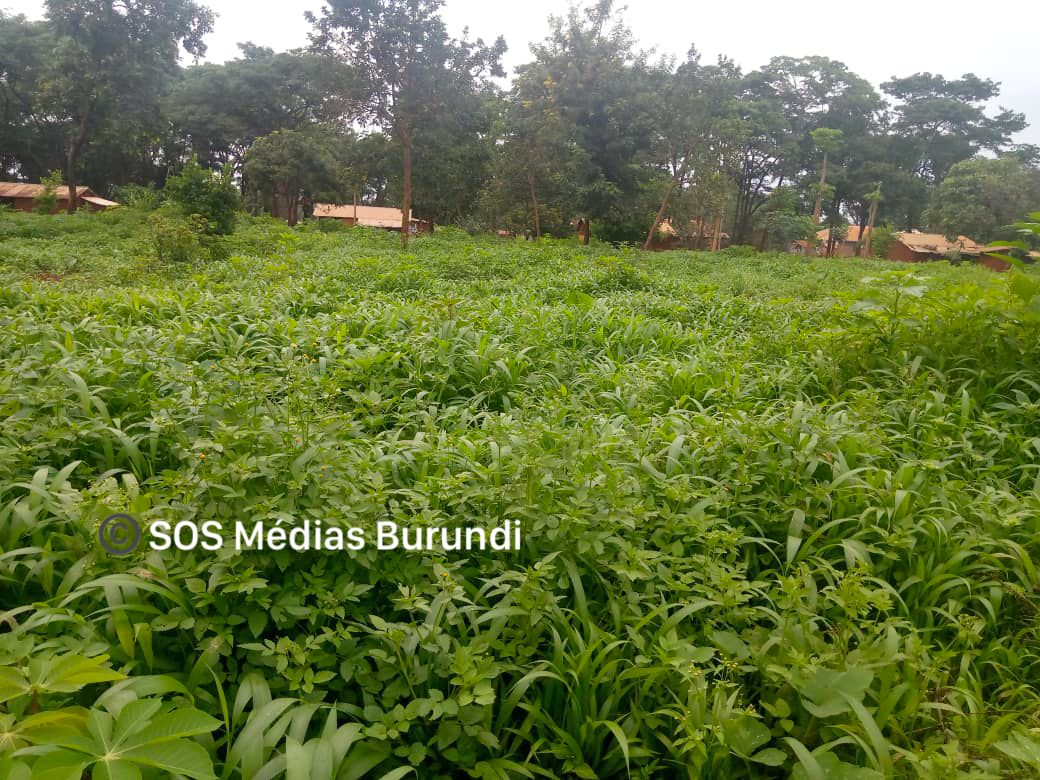
Nduta (Tanzania) : a camp turning into a savannah?
The Nduta camp in Tanzania, which hosts more than 58,000 Burundian refugees, seems to be gradually transforming into a savannah or a natural reserve. This situation, a direct consequence of the ban on agricultural activities, is causing concern and indignation among the camp occupants. INFO SOS Médias Burundi
For several months, refugees have no longer been allowed to cut invasive grass, even when it obstructs passages or invades homes. “This is to prevent forgotten crops from benefiting the refugees,” the camp president, a representative of the Tanzanian Ministry of the Interior in charge of refugees, had half-heartedly confided.
An alarming situation
For the camp residents, this decision is seen as evidence of “pure wickedness.”
A Burundian refugee living in Zone 9 recounts how he almost got punished for trying to clear the tall grass that blocked the entrance to his house.
“I escaped punishment thanks to the leniency of the administration, after asking for forgiveness,” he says.
The grass, which could have been used as edible vegetables, now fuels irony and despair.
“If they were edible plants, like amaranth or other vegetables, we wouldn’t be starving,” some refugees point out.
Worrying health consequences
This invasive vegetation is not without risks. “Behind houses, between dwellings, everywhere, grass grows unchecked. We even avoid going out at night, for fear of diseases like malaria or attacks by dangerous animals,” refugees warn.
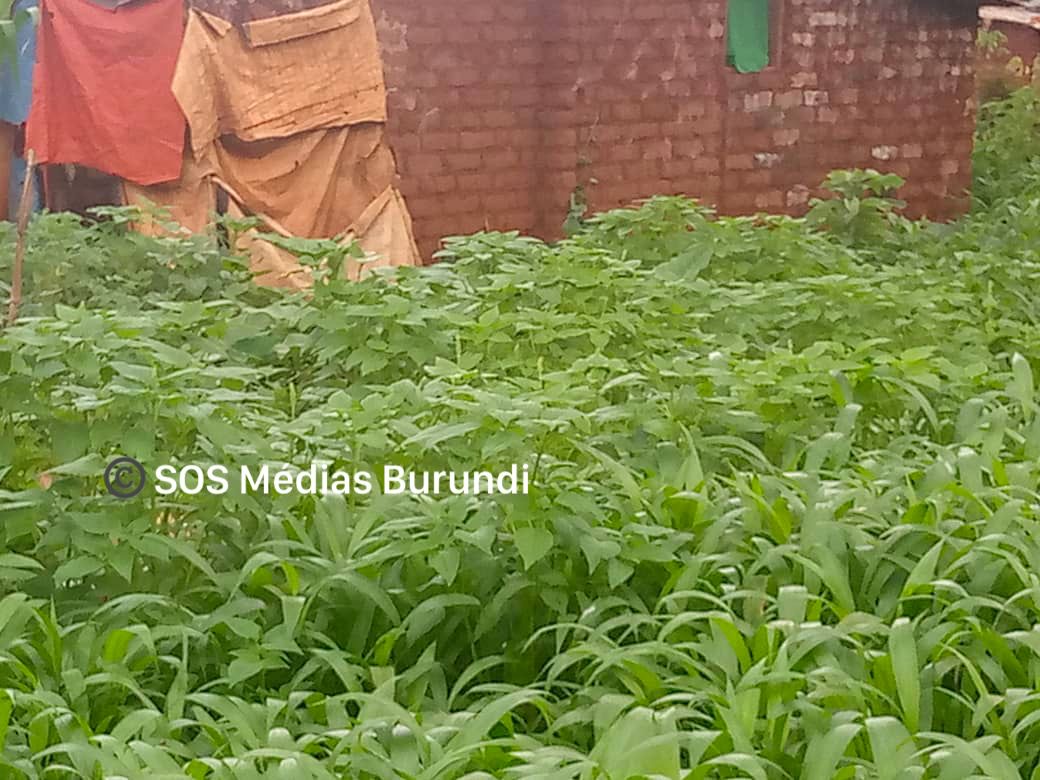
A house whose owner is not allowed to cut the tall grass surrounding it in Nduta, December 2024 (SOS Médias Burundi)
Health authorities share these concerns.
“These grasses form nests for mosquitoes, promoting the spread of malaria.” Although MSF (Doctors Without Borders) has sprayed insecticides, temporarily reducing cases, this measure could be compromised by the current situation,” warns a medical volunteer.
Local leaders have called on the camp administration. After several requests, the camp president finally agreed to allow grass near homes to be cut. This decision was apparently motivated by a serious incident : in zone 8, a refugee was bitten on the leg by a snake hidden in the tall grass.
Humanitarian organizations and community leaders have used this incident to insist on the need to ease restrictions.
A complicated implementation
Despite this progress, refugees remain skeptical about the implementation of this decision. “Even if authorization is granted, how are we going to cut this grass? We don’t have loppers, and the elderly or disabled cannot do this work,” they said worryingly.
They are calling for emergency aid, including tools and logistical support, to deal with this “savannah worthy of a natural reserve”.
Since 2015, a year marked by the political crisis and the controversial third term of President Pierre Nkurunziza, the Nduta camp has remained a refuge for thousands of Burundians. However, life there is becoming increasingly difficult, between restrictions, health threats and uncertainties about their future.
——
Grass that has blocked the old paths leading to homes in Nduta camp in Tanzania, December 2024 (SOS Médias Burundi)
You might also like
Nakivale (Uganda): Nearly 10,000 new refugees welcomed in precarious conditions
SOS Médias Burundi Nakivale, April 26, 2025 – More than 10,000 asylum seekers, mainly Congolese and Burundian, have just been granted refugee status in Uganda. But in Nakivale, their daily
“Rejected everywhere” : Congolese refugees threatened with return to transit centers in Burundi
SOS Médias Burundi Musenyi, May 5, 2026 — In Burundi, the situation of some Congolese refugees living at the Musenyi site in Burunga province, in the southeast of the small
 : a camp turning into a savannah?)
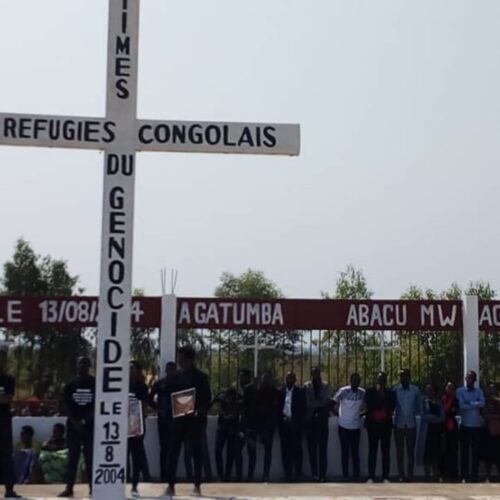
Gatumba : 166 refugees massacred, 22 years of impunity, the Banyamulenge speak out
SOS Médias Burundi Bukavu, August 13, 2026 — Twenty-two years after the Gatumba massacre, which claimed the lives of 166 Congolese refugees in western Burundi, the Banyamulenge community of Bukavu