
2025 elections in Burundi : private media concerned after the CNC’s publication of coverage rules
SOS Médias Burundi
Bujumbura, May 14, 2025 – The National Communication Council (CNC) published a decision on May 13 governing media coverage of the election campaign for the legislative and district elections scheduled for June 5. The text, consisting of 27 articles, divided into five chapters, is intended to guarantee fairness, pluralism, and equal access to the media. However, this decision is raising growing questions and concerns among private newsrooms. The election campaign may be covered by all media outlets, both public and private, according to Article 3. However, Article 4 requires that this coverage be free, an obligation that many independent media executives find difficult to maintain, especially in an already precarious economic climate.
Another sticking point : foreign media outlets will have to obtain accreditation from the National Center for National Elections (NCA) before the official opening of the campaign (Article 5), a measure perceived as a brake on press freedom.
In state media, candidates will be entitled to equal airtime (Article 7), distributed according to CNC guidelines, once the official list of candidates is published by the CENI (Article 8). Article 16 warns : a delay of more than ten minutes in recording a message will result in the loss of the slot.
Article 24 also prohibits any interruption of campaign messages with advertisements, while Article 25 restricts the dissemination of results to data validated by competent authorities, after the polls have closed.
CNC chairperson Espérance Ndayizeye signed this decision, which aims to ensure balanced coverage of election information. However, several journalists interviewed by SOS Médias Burundi consider the text “rigid,” even “dissuasive.”
“We don’t have technical or human resources to meet all these requirements. This system seems designed for large public media outlets, not for newsrooms with limited staff,” confided a community radio station manager in Bujumbura.
In a small east African nation where access to pluralistic information remains a challenge, these restrictions are worrying. Some professionals are even considering not covering the entire campaign, due to a lack of sufficient resources to comply with the new rules.
While the campaign promises to be decisive for the country’s political future, freedom and diversity of information risk colliding with administrative requirements perceived as too burdensome by some stakeholders in the sector.
——
Interview between colleagues in Burundi, photo credit : Jean Pierre Aimé Harerimana/SOS Médias Burundi
You might also like
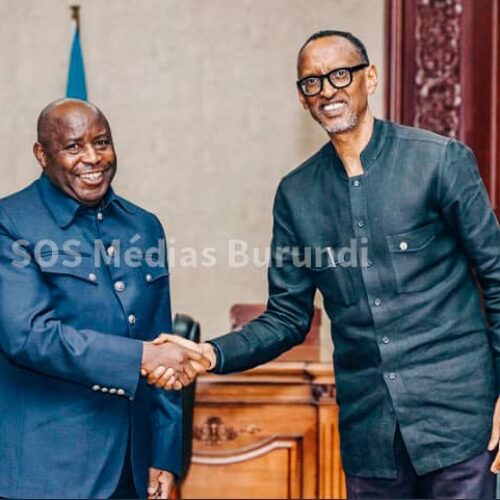
Photo of the week : towards a further deterioration of relations between Burundi and Rwanda?
President Évariste Ndayishimiye accused Rwanda last Friday of “maintaining and training Red Tabara rebels to kill elderly people, pregnant women and children”. He affirmed that they are fed, hosted, accommodated
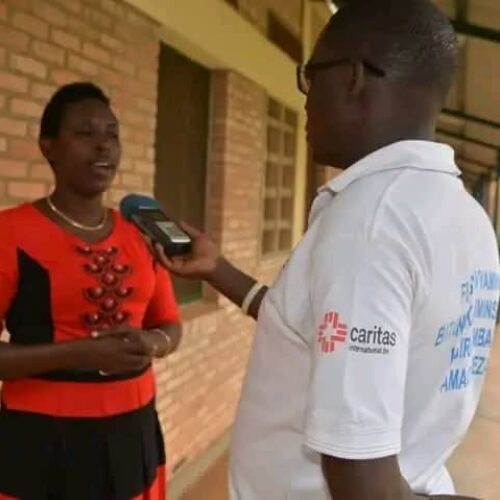
Bujumbura : Journalist Didier Ndihokubwayo faces justice after nearly 11 months in detention
SOS Médias Burundi Bujumbura, October 13, 2025 — Journalist Didier Ndihokubwayo, a contributor to Radio Maria Burundi, was to appear on Tuesday before the Mukaza First Instance Court in the

Rwanda-DRC: the Rwandan government criticizes Congolese authorities for multiplying unacceptable accusations
The Rwandan government reacted in a press release on Monday to accusations by the Congolese army which accuses it of supporting M23 rebels. According to the statement from the Rwandan