Cholera in Rumonge : 6 confirmed cases,the population on alert
SOS Médias Burundi
Rumonge, October 20, 2025 — Six cholera cases were confirmed last week at the isolation center of Rumonge hospital, in Burunga province, southern Burundi, according to medical sources. The patients, who are being quarantined, are mainly from the Kizuka zone in the district of Rumonge.
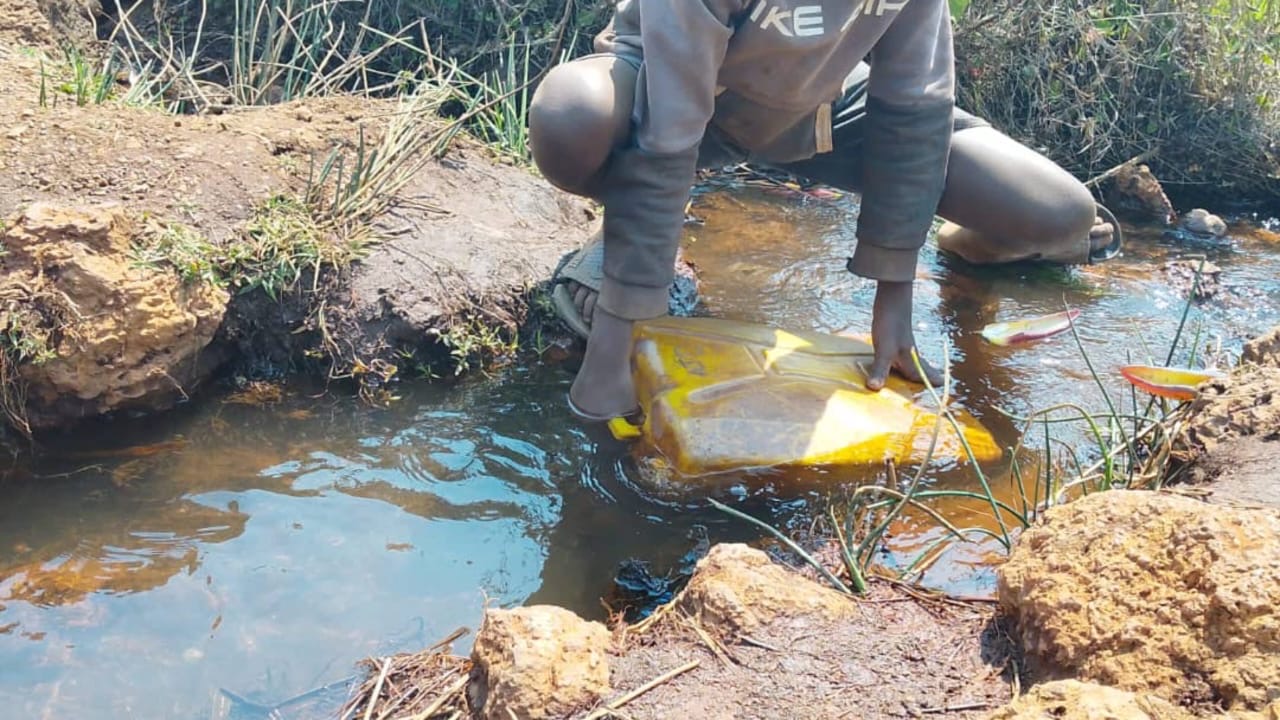
This epidemic is linked to a critical lack of hygiene and drinking water. The town of Rumonge, as well as surrounding areas such as Rutumo and Kizuka, have been suffering from a lack of access to drinking water for several months. Lacking alternatives, residents are drawing water from streams or the waters of Lake Tanganyika—known to be potential breeding grounds for the cholera virus.
Concerning regional spread
The epidemic was first reported last week in the Magara zone, Muhuta district, a province neighboring Bujumbura. Four suspected cases from Rutumo (Minago zone, Rumonge district) were transferred there for treatment.
According to health authorities, this outbreak is in addition to the one observed in the Imbo plain, particularly in Gihanga, also in Bujumbura province, where more than twenty cases have been recorded since the beginning of October, including three deaths.
The two outbreaks—Gihanga and Rumonge—are of concern to experts because they are located in densely populated coastal areas near Lake Tanganyika, where trade and population movements favor the rapid spread of cholera.
Limited preventive measures
Despite local authorities’ efforts to anticipate the spread of the disease through hygiene awareness campaigns, the lack of drinking water remains a major obstacle to any effective response.
The local Red Cross claims to have storage tanks, but lacks the logistical means to fill them, particularly tanker trucks. The organization is currently involved in spraying households and latrines in areas where cases have been reported.
Lack of logistical resources
The civil protection police in Rumonge reportedly does not have any vehicles adapted to this crisis. An administration official, speaking on condition of anonymity, denounced the ineffectiveness of response efforts without a permanent supply of drinking water.
“We have the agents but not the tools. Without water, we’re just running after the disease,” he confided.
High cost of water
Access to water is becoming a luxury for local populations. A 20-liter container sells for between 1,000 and 2,000 Burundi francs, a prohibitive cost for most, without mentioning the physical difficulty of obtaining it.
Several residents say they walk long distances or draw water from the lake, despite the known health risks.
Call for help
Health officials in the region are sounding the alarm and urgently requesting the intervention of national authorities and humanitarian partners to supply the city with drinking water and strengthen response capacities.
According to figures provided by the Ministry of Health, more than 1,600 cases of cholera have been discovered in the provinces of Bujumbura, Burunga, and the commercial capital, Bujumbura, since the beginning of this year.
You might also like
Cibitoke: watu 15 walipatikana na ugongwa wa kipindipindu kwa kipindi cha chini ya wiki mbili eneo la Rugombo
Janga la kipindipindu linaripotiwa katika eneo la Mparambo tarafani Rugombo mkoa wa Cibitoke (kaskazini magharibi mwa Burundi) tangu wiki mbili zilizopita. Wagonjwa 15 walipatikana. Ukosefu wa maja safi ndio chanzo

Burundi : authorities declare polio epidemic
The infectious disease broke out in the district of Isale in the province of Bujumbura (western Burundi) and in the commercial city of Bujumbura. The Burundian minister in charge of

Prince Louis Rwagasore: a hospital as sick as the patients it receives
Established in 1945, the Prince Louis Rwagasore hospital served to treat patients from the bourgeois class and wealthy people during the colonial and post-colonial period.It was admired and its colonial