Cholera in Rumonge : 6 confirmed cases,the population on alert
SOS Médias Burundi
Rumonge, October 20, 2025 — Six cholera cases were confirmed last week at the isolation center of Rumonge hospital, in Burunga province, southern Burundi, according to medical sources. The patients, who are being quarantined, are mainly from the Kizuka zone in the district of Rumonge.
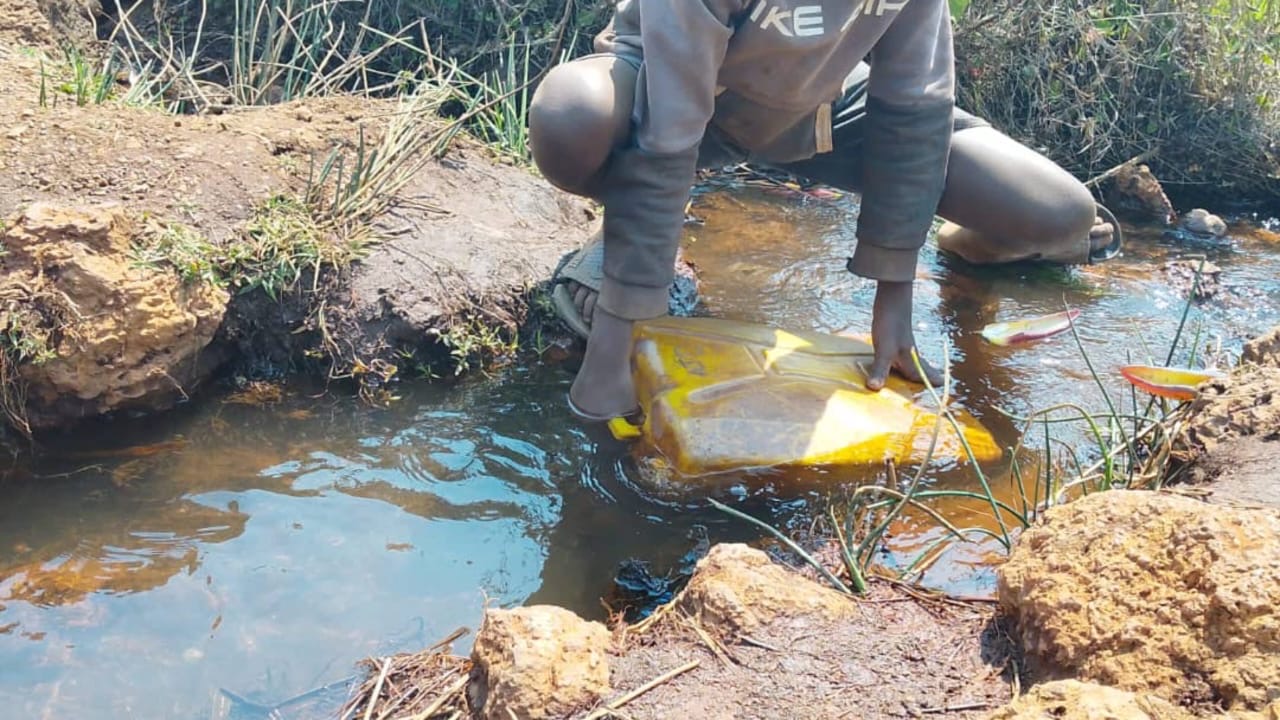
This epidemic is linked to a critical lack of hygiene and drinking water. The town of Rumonge, as well as surrounding areas such as Rutumo and Kizuka, have been suffering from a lack of access to drinking water for several months. Lacking alternatives, residents are drawing water from streams or the waters of Lake Tanganyika—known to be potential breeding grounds for the cholera virus.
Concerning regional spread
The epidemic was first reported last week in the Magara zone, Muhuta district, a province neighboring Bujumbura. Four suspected cases from Rutumo (Minago zone, Rumonge district) were transferred there for treatment.
According to health authorities, this outbreak is in addition to the one observed in the Imbo plain, particularly in Gihanga, also in Bujumbura province, where more than twenty cases have been recorded since the beginning of October, including three deaths.
The two outbreaks—Gihanga and Rumonge—are of concern to experts because they are located in densely populated coastal areas near Lake Tanganyika, where trade and population movements favor the rapid spread of cholera.
Limited preventive measures
Despite local authorities’ efforts to anticipate the spread of the disease through hygiene awareness campaigns, the lack of drinking water remains a major obstacle to any effective response.
The local Red Cross claims to have storage tanks, but lacks the logistical means to fill them, particularly tanker trucks. The organization is currently involved in spraying households and latrines in areas where cases have been reported.
Lack of logistical resources
The civil protection police in Rumonge reportedly does not have any vehicles adapted to this crisis. An administration official, speaking on condition of anonymity, denounced the ineffectiveness of response efforts without a permanent supply of drinking water.
“We have the agents but not the tools. Without water, we’re just running after the disease,” he confided.
High cost of water
Access to water is becoming a luxury for local populations. A 20-liter container sells for between 1,000 and 2,000 Burundi francs, a prohibitive cost for most, without mentioning the physical difficulty of obtaining it.
Several residents say they walk long distances or draw water from the lake, despite the known health risks.
Call for help
Health officials in the region are sounding the alarm and urgently requesting the intervention of national authorities and humanitarian partners to supply the city with drinking water and strengthen response capacities.
According to figures provided by the Ministry of Health, more than 1,600 cases of cholera have been discovered in the provinces of Bujumbura, Burunga, and the commercial capital, Bujumbura, since the beginning of this year.
You might also like

Burundi : in very critical condition, the secretary general of the CNDD-FDD was evacuated abroad
Reverien Ndikuriyo, secretary general of the CNDD-FDD (ruling party) suddenly fell ill on Thursday. From Ngozi (northern Burundi), he was transferred to Bujumbura (commercial capital), before being evacuated to Nairobi,
Bubanza : amid cholera outbreak, drinking water becomes a luxury
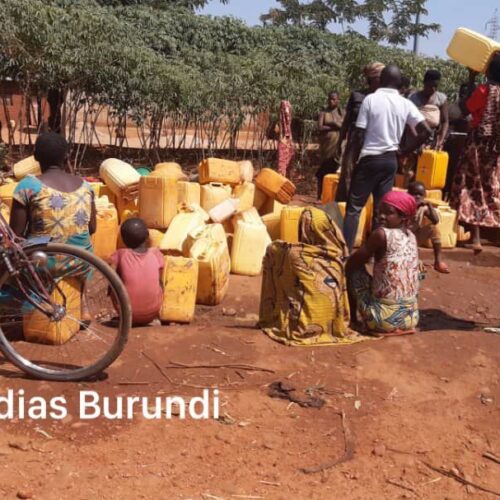
SOS Médias Burundi Bubanza, August 17, 2026 — In several neighborhoods of the Bubanza zone, in Bubanza district, Bujumbura province, western Burundi, access to drinking water is becoming increasingly difficult.

Bujumbura : sexual debauchery pushes many minors to resort to different contraceptive methods
Many minors in the commercial capital Bujumbura regularly resort to contraceptive methods, including the “morning after pill”. 15 pharmacies in the city confirmed this phenomenon to our reporter. INFO SOS