
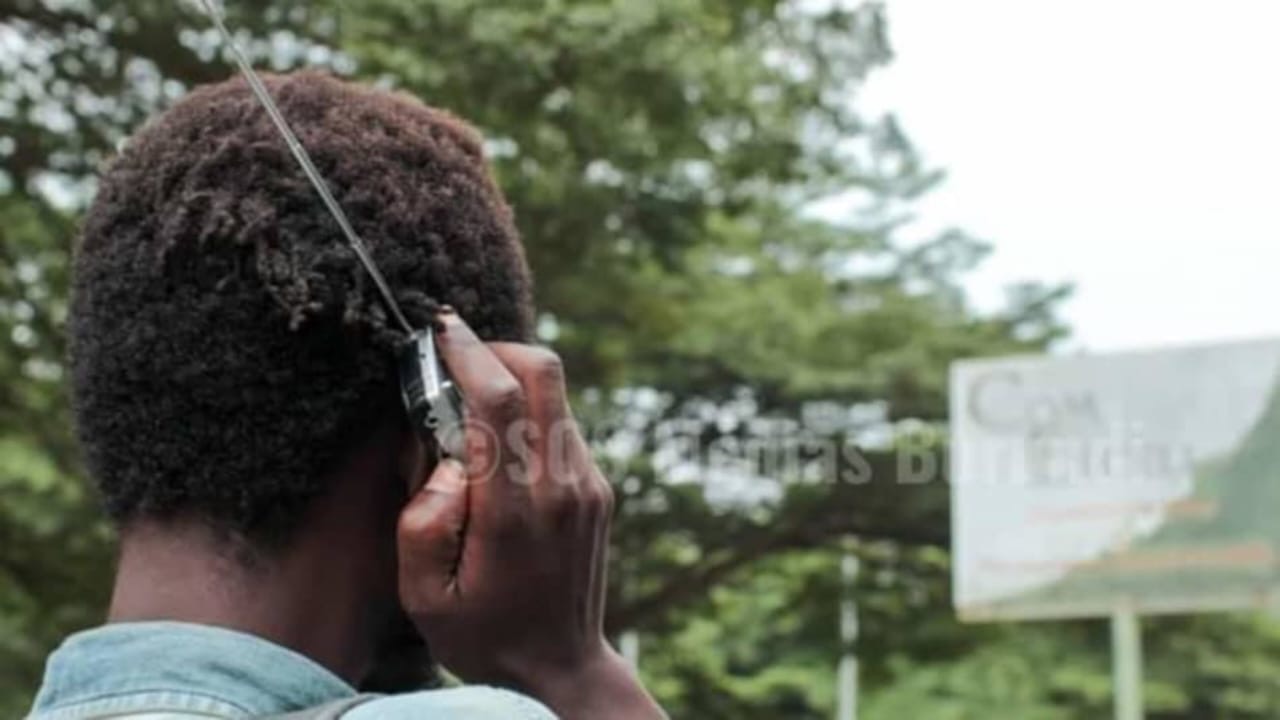
Burundian radio : the community medium strangled by the crisis
SOS Médias Burundi
Bujumbura, February 16, 2026 –
Radio is faltering. Recently gathered in Gitega for the World Radio Day, professionals described a medium plagued by shortages, a lack of resources, and a rapidly declining audience.
Once one of the most respectful and courageous media outlets in the region, the Burundian radio even served as a model for representatives from west African and Sahelian radio stations, who came to the small east African nation to learn about “media synergy.” This reputation now appears to be compromised.
The failed coup of May 2015 marked a terrible turning point : several independent radio stations were destroyed, and around a hundred journalists fled the country, leaving the independent press deprived of experienced reporters, now in exile. On the ground, the economic crisis and the relentless harassment of the few courageous journalists exacerbate the sector’s fragility.
The celebration of the World Radio Day brought together journalists, media executives, and public authorities. But behind the official speeches, the reality is bleak. Many stations are facing major financial difficulties, particularly due to a lack of fuel. This logistical challenge prevents reporters from going into the field to gather testimonies and report on citizens’ concerns.
“Today, we have to make do with information from press conferences and workshops because we no longer have the means to travel,” confides an editor-in-chief of a private radio station in Bujumbura. Another professional adds : “We sometimes have to share official information with colleagues who were able to attend an event.”
Once considered the most reliable and accessible channel, radio is gradually losing ground. Budget cuts are hindering in-depth reporting and investigations. Local news, which was the strength of community radio stations, is dwindling month by month.
A media executive explains that limited resources prevent them not only from covering events on the ground, but also from obtaining remote input from authorities. This double constraint further weakens the quality and diversity of programming.
Meanwhile, social media continues to gain ground. Many former listeners are turning to these digital platforms, attracted by the immediacy and multitude of sources, even if the reliability of the content often remains uncertain.
This year’s theme—“Artificial Intelligence : Opportunities and Threats”—summarizes the current dilemmas. Speaking at the ceremony, the Minister of Communication and Media, Gabby Bugaga, called on journalists to use artificial intelligence “intelligently and professionally” in content production.
According to him, these technologies could contribute to improving program quality, diversifying formats, and optimizing resources. He nevertheless emphasized the need for appropriate guidance and training to prevent the risks of disinformation and ethical lapses. The Minister acknowledged the existence of technical challenges limiting access to a wide audience and promised solutions before the end of the year.
A dense but fragile radio landscape
The small east African nation has more than fifty active radio stations, including about twenty community radio stations. Despite this extensive coverage, their economic stability remains precarious.
In a country where radio remains essential, particularly in rural areas, expectations are immense. Professionals hope that the commitments made during this commemorative day will quickly translate into concrete measures.
In 2011, February 13th was proclaimed the World Radio Day by member states of the UNESCO, the United Nations Educational, Scientific and Cultural Organization, which is responsible for promoting international cooperation in the fields of education, science, and media. The UNESCO thus supported the recognition of this medium as a vehicle for dialogue, freedom of expression, and access to information. The Day was recognized the following year as an International Day by the United Nations General Assembly.
You might also like
Bujumbura : the National Communication Council temporarily suspends Yaga Burundi
The National Communication Council (CNC), Burundi’s media regulatory body, announced on Thursday the temporary suspension of the Yaga Burundi coalition, known for its media productions and critical content on the

Bujumbura: arrest of the Isanganiro Radio Director
Charles Makoto, the independent Isanganiro broadcaster director, was arrested this Monday morning at his home on the outskirts of the commercial city and Bujumbura province, by the police. A wanted

Kenny Claude Nduwimana Case : the Burundian justice in turmoil again
SOS Médias Burundi Bujumbura, May 7, 2025 – On May 5, the Bujumbura Court of Appeal reopened the case of journalist Kenny Claude Nduwimana, detained since October 2023 despite the