Busuma : to survive the war to die in indifference
SOS Médias Burundi
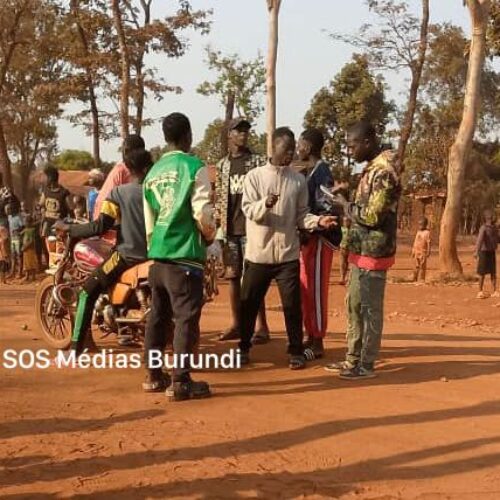
Ruyigi, March 2, 2026- A Congolese refugee was found dead a few kilometers from the Busuma camp, in the east of the small east African nation, on Sunday March 1, after four days of disappearance. The victim, identified under the name of Maurice, would have been tortured with a machete, according to testimonies gathered from refugees on the spot.
According to several sources within the camp, Maurice had left the site in the company of three other refugees and went to cut wood in the neighboring host communities. The wood had to be sold inside the camp in order to buy food for their children, in a context of persistent scarcity.
According to witnesses, while they were cutting trees in a plot, Burundians reportedly surprised and chased them. Three of them managed to escape, but Maurice would have been caught. After four days of disappearance, his family and his relatives started searching. His body was finally found in the place where it was allegedly abandoned, covered in blood and bearing multiple traces of white-armed violence.
A growing climate of fear
The refugees affirm that this drama is not an isolated case. Since the installation of the camp last December, at least three other refugees have been killed in similar circumstances. These violences fuel a climate of fear and insecurity among displaced populations.
Beyond security issues, living conditions in the Busuma camp remain particularly precarious.
Stéphane, refugee, witness :
“Many families do not have enough to eat. The 38,000 Burundi francs we receive does not even cover a week, especially with the increase in food prices and the purchase of water, of which a bottle costs 2,000 Burundi francs. The children suffer from hunger, and some parents are forced to leave the camp to look for food from the Burundians or in neighboring camps, due to the lack of work opportunities here.”
The district of Ruyigi, in the province of Buhumuza, where the Busuma camp is located, also hosts two other sites welcoming Congolese refugees : Nyankanda and Bwagiriza.
In Busuma, each refugee receives a monthly allowance of 38,000 Burundi francs, a sum considered largely insufficient in relation to the cost of living.
Kinshasa evokes a repatriation plan
The Congolese Vice-Prime Minister in charge of Interior and Security, Jacquemain Shabani, declared that Kinshasa was working on a progressive return mechanism for Congolese refugees settled in Burundi.
However, on the ground, the refugees express their concerns, stressing that the security and survival conditions remain extremely worrying, both in the camps and in some areas of origin.
A dramatic sanitary crisis
Since December 10, 2025, the Busuma camp, located in the Kayongozi zone of the Ruyigi commune, in the province of Buhumuza, has recorded a series of deaths among Congolese refugees.
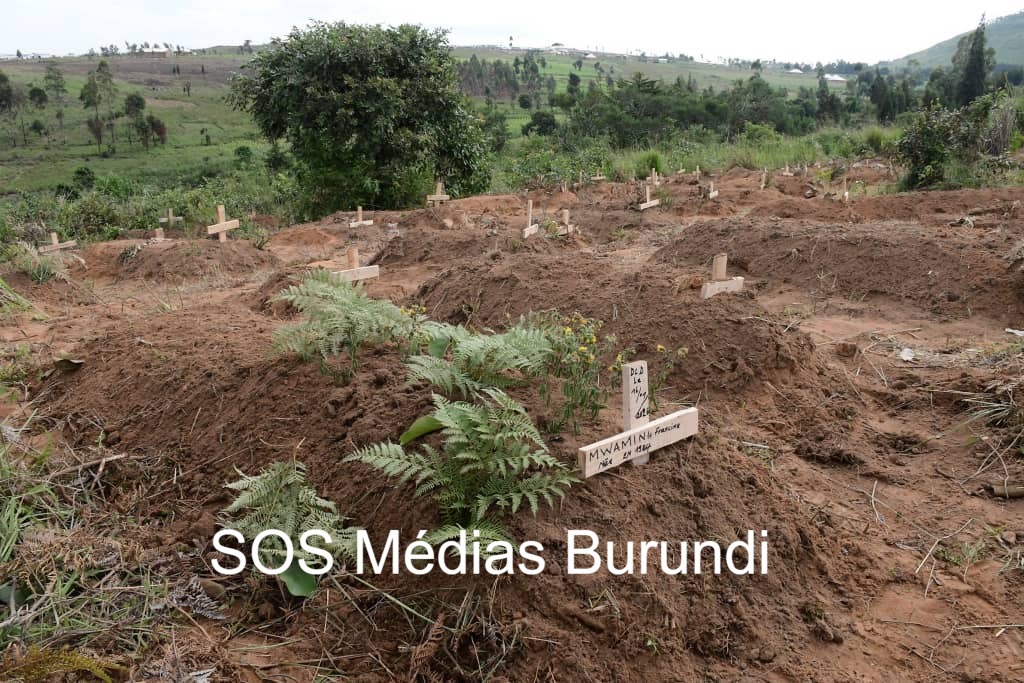
According to the information collected on the spot and the findings made at the local cemetery, more than 300 deaths have been recorded, related to diseases and the extreme precariousness of living conditions. On January 29, 2026, a total of 349 recent graves were recorded in the Bikinga sub-village cemetery, on the eastern outskirts of the camp. No recent deaths have been reported among the neighboring Burundian population.
The victims are mainly children from zero to five years old and people over 70 years old. Some elderly women have also been found dead at dawn, while they seemed to be in good health the night before.
Refugees notably denounce :
malnutrition among young children;
infectious diseases such as cholera, dysentery, measles and malaria;
insuffisant shelters and are exposed to the cold;
the lack of potable water and fountains;
an irregular food distribution.
A regional conflict with heavy repercussions
The Busuma camp welcomes refugees who have fled hostilities in several localities in South Kivu, east of the Democratic Republic of Congo, in December 2025.
These violences involve the FARDC, supported by Burundian troops and Wazalendo militias, against the rebels of the March 23 Movement (M23), today integrated into the Congo River Alliance (AFC).
The coalition against the M23 also includes the Democratic Forces for the Liberation of Rwanda (FDLR), accused of having participated in the genocide against the Tutsis in 1994.
The Congo River Alliance is directed by Corneille Nangaa, former president of the Congolese Independent National Electoral Commission (CENI). The movement controls several strategic areas, including Goma and Bukavu, as well as the mining site of Rubaya, one of the world’s largest deposits of coltan.
According to an internal report of the Congolese Ministry of the Interior consulted by SOS Media Burundi, the small east African nation would have deployed more than 29,000 soldiers in the east of the DRC between August 2022 and December 2025.
Kinshasa accuses Kigali of supporting the M23, while Rwanda accuses Burundi and the DRC of supporting the FDLR. Despite the Washington agreement signed on December 4, 2025 under the US mediation between the DRC and Rwanda, the confrontations continue on the ground. Burundi, which joined this agreement as an observer, was represented by President Évariste Ndayishimiye.
You might also like
Cholera in Rumonge : at least 7 Congolese refugees dead in two weeks
SOS Médias Burundi Rumonge, December 23, 2025 – A deadly cholera epidemic has struck the port city of Rumonge in southwestern Burundi. In the past two weeks, at least seven
Nduta (Tanzania) : five Burundian refugee women raped at the same time
Five women were victims of sexual violence last week near the Nduta camp in Tanzania. All Burundian refugees, they contacted the camp administration for investigations. INFO SOS Médias Burundi The

Nyarugusu (Tanzania) : three Burundian refugees killed in a road accident
The tragedy occurred on Friday. Refugees are demanding rigorous police control in the granting of driving licenses, especially for motorcyclists. INFO SOS Médias Burundi The accident took place in the