

Nduta : end of a camp, beginning of a human tragedy
SOS Médias Burundi,
Nduta, March 20, 2026—Nearly 85% of the Nduta camp has been destroyed. Thousands of Burundian refugees now live in overcrowded centers, without shelter, without medical care, and awaiting forced repatriation.
The Nduta camp, located in the Kigoma region of northwestern Tanzania, is disappearing. According to several consistent accounts, nearly 85% of the areas and villages have already been demolished, leaving thousands of Burundian refugees homeless and without prospects.
The dwellings have been replaced by reception and waiting centers, now overcrowded, where entire families are crammed together in precarious conditions.
“I had never seen these centers filled with people like they are today.” The refugees no longer have homes; everything has been destroyed by the camp administration. “There is unprecedented overcrowding,” testifies a Burundian refugee whose home was razed last Wednesday.
“I couldn’t even find a place to sleep. I had to come back and spend the night in the rubble of my old house, in Zone 1,” he confides.
Alarming sanitary conditions
Overcrowding and the lack of basic infrastructure raise fears of a health catastrophe. Diseases linked to poor hygiene are spreading rapidly.
“Cases of dysentery have already been reported and have claimed the lives of at least three children in the last two weeks. Even the clinics have been destroyed. It’s pure crime, happening in full view of everyone,” denounces another refugee, who has been stuck for three weeks in a waiting center awaiting forced repatriation.
The despair is palpable. “We cried out, but no one listened to us. Today, we have no more grievances… nothing,” says a Burundian refugee who lost her child in these circumstances.
Systematic destruction of the camp
From Zone 1 to Zone 21, almost all the homes have been destroyed in an operation that began at the start of the year. Tanzanian authorities aim to completely empty the camp by March 31, 2026.
But this goal seems difficult to achieve, not for humanitarian reasons, but due to logistical constraints.
“Three weekly convoys of 3,000 people each were announced to repatriate more than 50,000 Burundians by the end of March. But the authorities have put more energy into destroying houses than into preparing for the returns, particularly in terms of transportation and repatriation kits,” analyzes a Burundian community leader.
According to him, the authorities are now overwhelmed by their own timeline, despite “the degree of brutality employed in recent months.”
International silence denounced
The refugees also denounce the inaction of the international community, particularly the United Nations High Commissioner for Refugees (UNHCR).
“The clinics are no longer functioning, the schools are closed, humanitarian aid has been suspended… This is an unprecedented situation we are experiencing,” laments the community leader.
Faced with this pressure, some refugees have already fled to other countries in the region, including Uganda, Kenya, Zambia, and Rwanda.
Forced returns without dignity
Today, many are no longer even demanding a halt to the operations, but simply a minimum of dignity in their return to Burundi.
“We are only asking for one thing : to be repatriated in humane conditions,” summarizes a refugee.
Meanwhile, in the Nyarugusu camp, also located in Tanzania, the demolition operations continue and are expected to last “officially until June 2026.”
Tanzania still hosts nearly 100,000 Burundian refugees, whose future remains more uncertain than ever.
You might also like

DRC : General Gasita’s rejection highlights anti-Tutsi climate in the east
SOS Médias Burundi Bukavu, September 2, 2025 – The protests surrounding the appointment of General Olivier Gasita in Uvira reveal, once again, the worrying resurgence of ethnic tensions in the
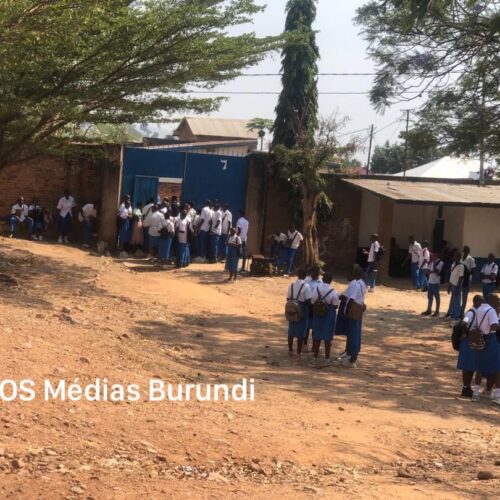
Uvira : classes resume in public schools after more than two months of strike
Last week, some of the teachers in the province of South Kivu in the east of the Democratic Republic of Congo (DRC) started teaching again. They had been on strike
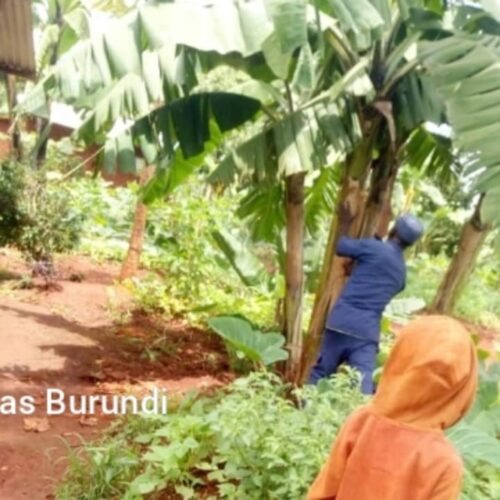

Nduta (Tanzania) : Resumption of the ransacking of refugees’ fields
The Nduta camp administration has ordered the destruction of the refugees’ vegetable and cereal fields. For the administration, this type of agricultural and commercial activity discourages the voluntary repatriation movement.