
Kiremba : residents’ purchasing power severely tested
SOS Médias Burundi
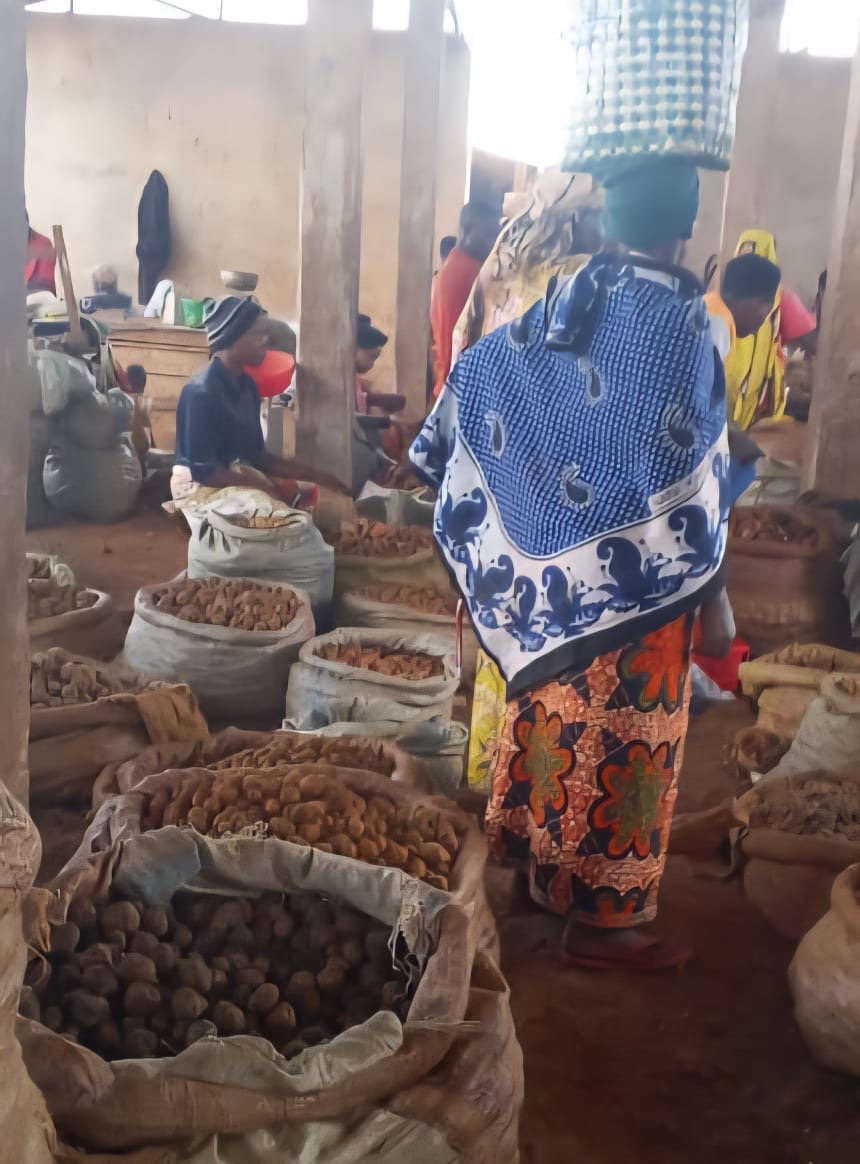
Kiremba, April 2, 2026 — The month of March, which has just passed, was marked by a significant increase in food prices at the Masanganzira market in Kiremba district, Butanyerera province, in the north of the small East African nation. This situation is worrying both traders and consumers.
According to several vendors interviewed on site, this price surge is mainly due to a poor agricultural season and a persistent fuel shortage, which considerably complicates the transport of goods.
“We are receiving few goods these days. The harvests were not good and fuel is difficult to find, which increases transport costs.” “We’re forced to raise prices to avoid losing money,” a potato vendor testified, speaking on condition of anonymity.
On the market stalls, price increases are visible on several basic goods. Local rice, commonly called “Kigori,” has gone from 5,000 to 6,000 Burundi francs per kilo, while “Umunyagitega” now sells for 7,000 francs, up from 6,000. Imported rice from Tanzania has also seen a significant price increase, rising from 7,500 to 9,000 francs per kilo.
Potatoes have also seen a notable increase, with their price now ranging from 2,200 to 2,500 francs per kilo, compared to 1,200 to 1,500 francs previously. As for legumes, a kilo of yellow beans has reached 4,000 francs, while “Kinure” beans are selling for 3,500 francs. Red and white onions are following the same trend, selling for 4,000 and 5,000 francs respectively.
Faced with this situation, consumers are expressing their concern.
“Before, with 10,000 francs, I could buy several products for my family. Today, that’s not even enough for the bare necessities. We’re really struggling,” says Manariyo, a shopper we met at the market.
The price increase is also affecting fruits. Pineapples, which used to sell for 2,000 francs, now cost 3,000 francs. Watermelons have tripled in price, going from 5,000 to 15,000 francs. As for oranges, they sell for between 3,000 and 5,000 francs per bunch.
Despite a slight decrease in the prices of some products like corn and sugar, the majority of food items remain at high levels, making daily life increasingly difficult for many households.
“Even if some prices are falling, it doesn’t offset the increase in the cost of essential goods. We are forced to reduce our purchases, and sometimes even skip meals,” laments Minani, a regular customer at the Masanganzira market.
A trend that extends beyond Kiremba
The situation in Kiremba is not an isolated case. In several localities in Butanyerera province and elsewhere in the small East African nation, similar increases in food prices have been reported. This widespread trend reflects growing pressure on local markets, fueled in particular by the decline in agricultural production.
This decrease in production is explained, among other things, by the lack of agricultural inputs, itself linked to the scarcity of foreign currencies needed to import the raw materials essential for fertilizer production. Added to this are difficulties in obtaining fuel and disruptions to distribution channels.
For many households, this persistent inflation exacerbates their precarious situation and further reduces their ability to meet their basic needs.
You might also like

Tea farming in Burundi : 1,300 hectares abandoned or destroyed, production down 30%
SOS Médias Burundi Kayanza, September 7, 2026— Tea production in Burundi has declined by 30% over the past ten years, mainly due to demotivated farmers, a lack of fertilizer, and

Matongo : President Ndayishimiye insults Faustin Ndikumana and compares him to enemies of God
SOS Médias Burundi Matongo, November 7, 2025 — President Évariste Ndayishimiye has once again crossed the line. In the district of Matongo, in the province of Butanyerera in the north


Burundi: an application for fuel without fuel
The Burundian population is forced to buy fuel online. The application has been set up by the Petroleum Company of Burundi (SOPEBU) since the end of last September. But, paradoxically,