
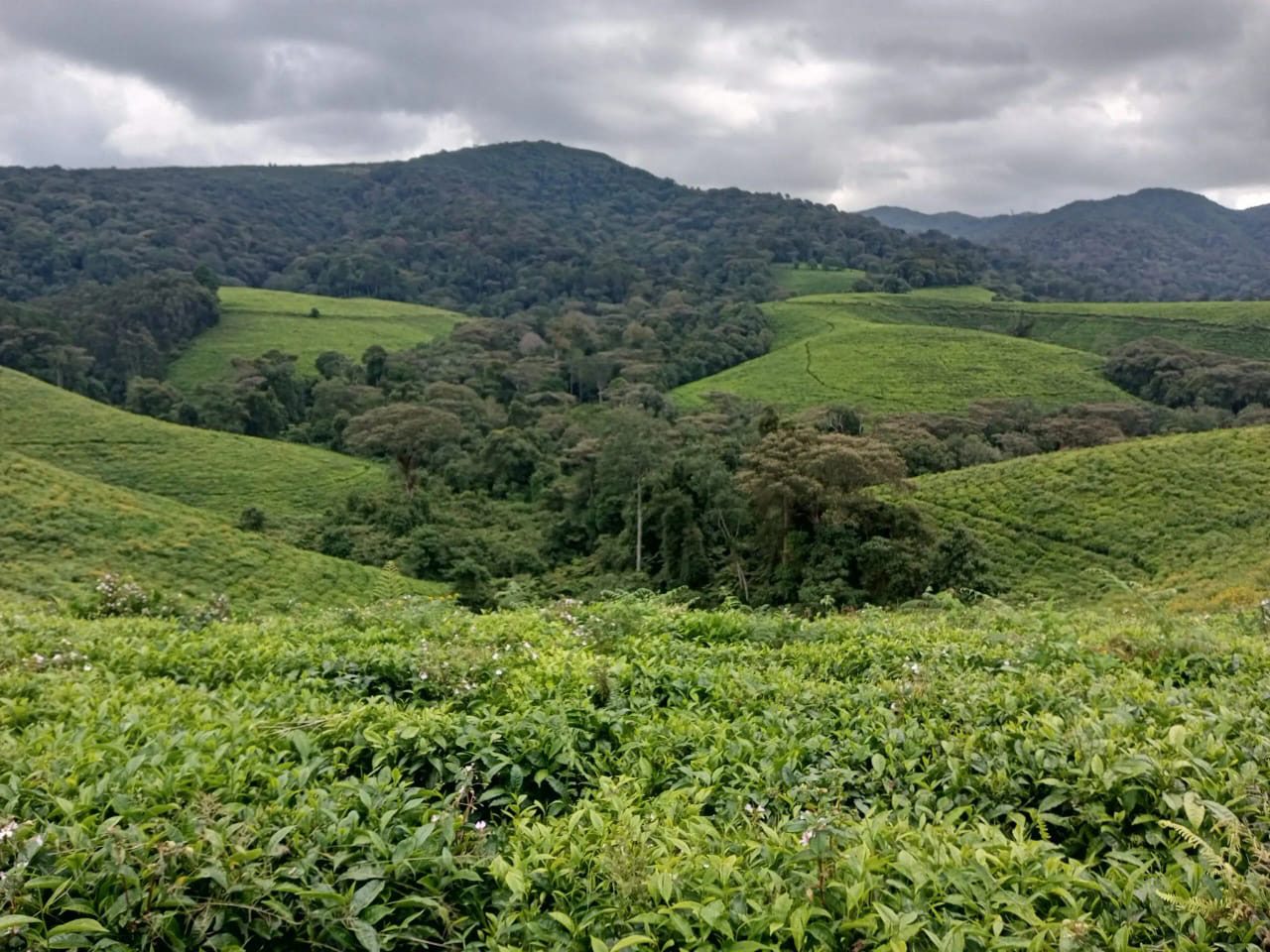
Tea farming in Burundi : 1,300 hectares abandoned or destroyed, production down 30%
SOS Médias Burundi
Kayanza, September 7, 2026— Tea production in Burundi has declined by 30% over the past ten years, mainly due to demotivated farmers, a lack of fertilizer, and a shortage of labor. More than 1,000 hectares of plantations have been abandoned, and more than 300 others have been uprooted or destroyed. To reverse this trend, the Burundi Tea Board (OTB) is considering raising the purchase price of green tea leaves and increasing the supply of fertilizers.
The Burundian tea production is experiencing a worrying decline. According to Yves Mukundwa, Director General of the Burundi Tea Board (OTB), the price of tea has fallen by 30% over the past ten years.
He stated this on Thursday, September 3, 2026, during a meeting held at the Rwegura tea factory in Kayanza district, Butanyerera province, northern Burundi, for local administrative officials.
The price of green leaves is a major concern.
According to the Director General of the OTB, several factors explain this decline. He cites, in particular, the demotivation of tea farmers, who have been contesting the purchase price of a kilogram of green leaves, set at 500 Burundian francs (bif), for several years.
The producers consider this price insufficient given the rising cost of living and the prices of other commodities. They are therefore demanding an increase so they can make a better living from their work.
This situation has already led to the abandonment of more than 1,000 hectares of tea plantations, which are no longer maintained or cultivated. More than 300 other hectares have been uprooted or destroyed, Yves Mukundwa stated.
The lack of fertilizer and labor is impacting production.
The lack of fertilizer is also a demotivating factor for producers. The Director General of the OTB mentioned the difficulties in obtaining fertilizer, particularly in the context of the war between Russia and Ukraine, which has disrupted global supply chains and affected the fertilizer market. Russia is among the world’s leading suppliers of fertilizers.
He also explained that the OTB had encountered supply difficulties after the introduction of a new group purchasing method, with state-owned enterprises now required to make joint purchases. This procedure has reportedly led to delays in fertilizer availability.
Adding to these difficulties is the labor shortage, particularly in industrially operated tea plantations. These large farms require a significant number of workers for harvesting and maintaining the plantations.
The OTB is considering a price increase
To try to revive production, the OTB has already made calculations with a view to proposing to the relevant ministry an increase in the purchase price of a kilogram of green tea leaves.
According to Yves Mukundwa, such a measure would help to remotivate producers and encourage them to increase their production.
The Office wants to buy fertilizers directly
Regarding fertilization, the OTB has begun buying chemical fertilizers directly from producers in order to reduce supply difficulties.
Yves Mukundwa hopes these fertilizers will be available by October 2026 at the latest.
The OTB also plans to return to the practice of fertilizing plantations twice a year. According to its director general, this measure should help improve yields and gradually increase production.
A call to resume plantation maintenance
Yves Mukundwa finally sought to reassure tea growers, stating that the government had taken their concerns into account.
He urged them to redouble their efforts in maintaining their plantations, particularly through weeding and fertilization, but also by adhering to the harvesting schedules established by the agronomists responsible for their guidance.
For the OTB, the revival of the tea industry now rests on three pillars: better compensation for producers, a regular supply of fertilizers, and increased plantation maintenance.
You might also like

Bujumbura : Brarudi products are becoming rarer, their prices are rising and the administration turns a blind eye
In recent days, it has been difficult to find certain products from the Burundi Brewery Company (Brarudi) in the commercial city Bujumbura. Bar owners say beers and soft drinks are

Photo of theweek : basketball fans inconsolable after the disqualification of the Dynamo team from the Basketball Africa League
The Dynamo team arrived in Bujumbura on Thursday early in the afternoon.The basketball players of the Dynamo team encountered enormous difficulties. And that’s the least we can say. They have

Construction in Burundi : an expert warns of collapse risks due to non-compliance with standards
SOS Médias Burundi Bujumbura, June 13, 2026 – Failure to comply with building construction standards, particularly for multi-story buildings, could expose Burundi to preventable disasters. This is the warning issued