
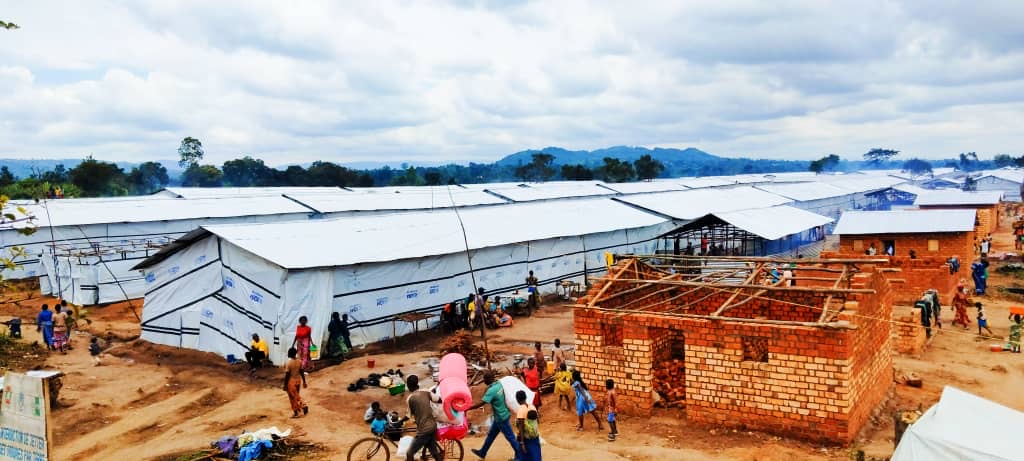
Musenyi : Congolese refugees denounce price gouging during WFP distributions
SOS Médias Burundi
Musenyi, May 12, 2026 — At the Musenyi refugee camp in the Musongati district of Burunga province, in the south of the small East African nation, the World Food Program (WFP) food assistance distribution period is accompanied, according to refugees, by soaring prices in local markets. This situation is disproportionately affecting the approximately 22,000 refugees living at the camp.
According to several accounts, the prices of basic necessities have seen an unusual increase since the start of food distributions on Monday, May 11. Charcoal, beans, flour, oil, salt, and various household products have become difficult for many families to afford.
The case of charcoal particularly illustrates this situation. A bag, usually sold for 30,000 Burundi francs, reaches up to 60,000 francs on food aid distribution days, effectively doubling the price. This situation has sparked outrage among refugees.
For families, this price increase significantly reduces the impact of the aid received. This May, each refugee receives approximately 37,000 Burundian francs to cover their basic needs for the entire month. But faced with soaring prices, many households say this amount is no longer sufficient to meet their basic food requirements.
In many homes, the situation is becoming critical. Some families say they are reducing the number of meals they eat each day, while others are surviving thanks to loans or the support of neighbors. Many refugees describe a situation of severe food insecurity, particularly affecting children and vulnerable individuals.
“During food aid distribution days, prices fluctuate directly in the markets. Traders raise prices on products like charcoal, food, and even some household items,” testifies a refugee leader who requested anonymity.
He believes this situation worsens the already precarious living conditions of refugees. “Many families go entire days without enough to eat. With prices rising, the money received can no longer meet basic needs. We are asking the authorities to monitor this situation and intervene to stabilize prices,” he adds.
While these price increases have long been observed primarily during WFP aid distribution periods, several residents of the site report a general increase in food prices now visible in local markets.
This situation comes barely two months after the cereal harvest, particularly maize, and at the start of the bean harvest in some regions—two staples widely consumed in Burundi. Normally, harvest periods lead to a drop in prices due to increased supply in the markets. But in Musenyi and the surrounding areas, prices continue to rise.
Faced with this situation, refugees at the Musenyi site are calling on Burundian authorities to strengthen price controls to protect vulnerable populations from the speculative practices observed during humanitarian aid distributions. They are also requesting enhanced market monitoring mechanisms in the region.
Musenyi hosts some 22,000 Congolese refugees who fled the insecurity plaguing eastern Democratic Republic of Congo. The majority of its residents are from South Kivu province.
You might also like
Butembo : ten Wazalendo militiamen killed in violent clashes
A new outbreak of violence has shaken Butembo, where two factions of Wazalendo militiamen (name given to local militias maintained by Congolese authorities) clashed on the night of March 3

Mahama (Rwanda) : the camp is equipped with a computer and multi-service center
It is Save the Children, an NGO partner of the UNHCR that financed the project run by two refugees, a young Burundian and a Congolese woman. It is a computer

Burundi : a Rwandan soldier arrested after crossing the border
SOS Médias Burundi, Kirundo, September 24, 2025 – A Rwandan sergeant, Emmanuel Sadiki, a driver with the Rwandan Defense Forces (RDF), was intercepted on Wednesday, September 24, 2025, approximately 700