Dzaleka, Malawi : refugees denounce hunger, insecurity, and alleged enforced disappearances
SOS Médias Burundi
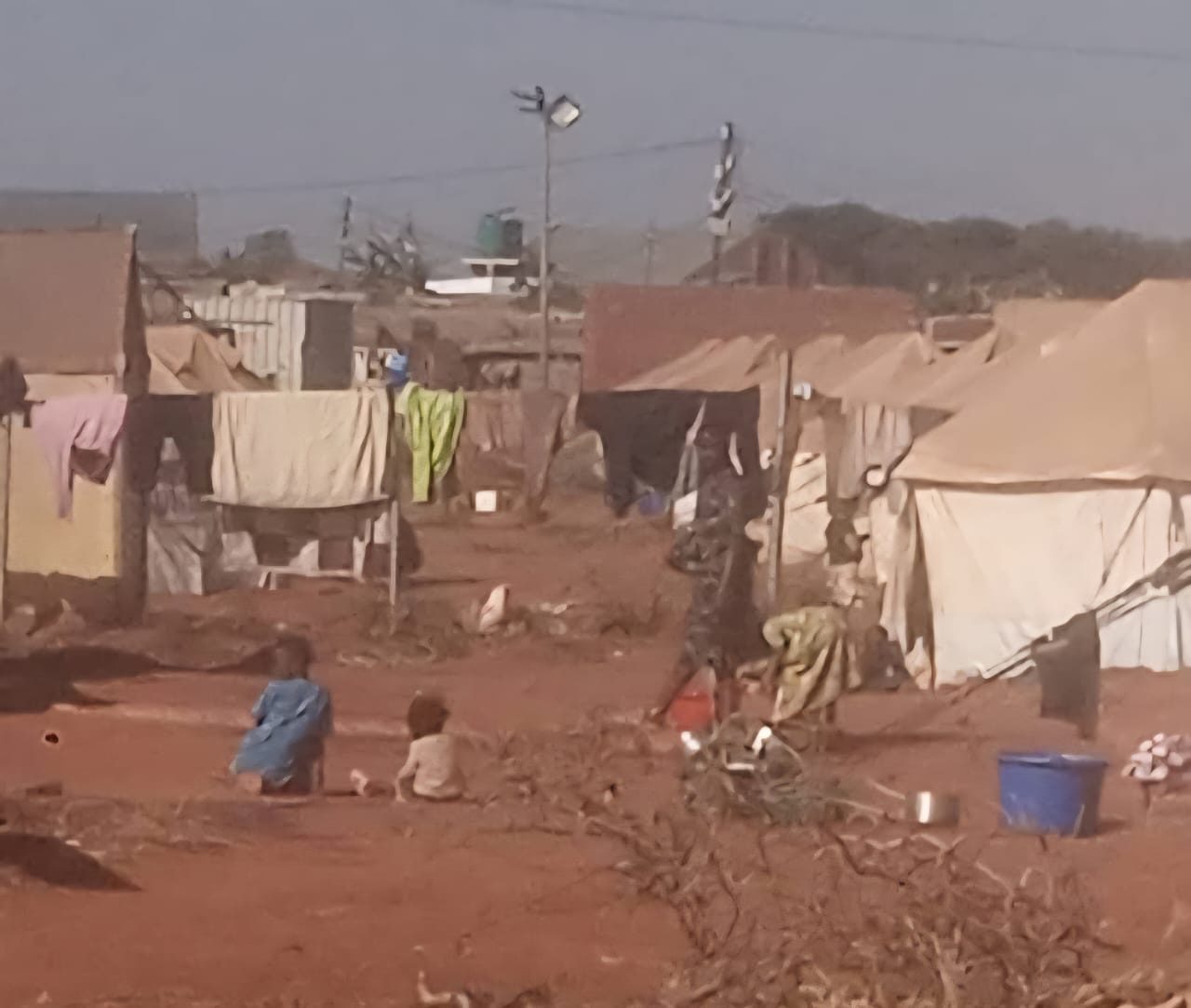
Dzaleka, September 15, 2026 — Refugees in the Dzaleka camp, located in the Dowa district of central Malawi, are alerting the United Nations High Commissioner for Refugees (UNHCR) to their deteriorating living conditions and increasing insecurity. During a meeting held Saturday with UNHCR officials, they denounced food shortages, a lack of drinking water and medicine, several unresolved deaths, and alleged enforced disappearances of refugees, including community leaders and intellectuals. They are calling on the UNHCR and Malawian authorities to take urgent measures to ensure their protection.
Families without food assistance
The lack of food aid was among the main concerns raised during the meeting.
According to refugees present at the meeting, some families have not received food assistance for more than six months. They fear this situation will worsen hunger and the risk of malnutrition, particularly among the most vulnerable.
Livelihoods are also affected. Refugees report thefts of motorcycles and bicycles, as well as thefts in the fields. These incidents, they say, contribute to increased mistrust among camp residents and with some members of the host community.
Insecurity at the heart of concerns
Security was a major topic of discussion with the UNHCR.
The refugees state that more than a dozen bodies have been found in or around the camp in less than three months. They deplore the lack of sufficient explanation regarding the circumstances of these deaths.
Some meeting participants also accused the police of complicity or, at the very least, inaction in the face of this situation.
These accusations remain to be substantiated. They require investigations to determine the circumstances of the deaths and any potential liability.
Alleged enforced disappearances
Another particularly sensitive issue is the disappearance of some refugees.
According to participants, several people have disappeared under disturbing circumstances. Among them are reportedly community leaders and intellectuals.
The refugees speak of alleged enforced disappearances and demand a full investigation into these cases. They specifically call for the relevant authorities to investigate the circumstances of the disappearances and take measures to guarantee the safety of those living in the camp.
At this stage, these allegations have not been independently verified.
Lack of drinking water and medicine
Participants also denounced the lack of medicine and the shortage of drinking water.
These difficulties directly affect the health and daily lives of the thousands of people living in Dzaleka. The refugees are calling for a more regular supply of water and medicine, as well as improved access to healthcare.
Coexistence with the host community is also a source of concern.
According to the refugees, tensions and mistrust between the two communities have increased. They believe it is necessary to strengthen dialogue and conflict resolution mechanisms to prevent further deterioration of relations.
The UNHCR promises solutions
Faced with these numerous grievances, UNHCR officials promised to work towards finding solutions to the various problems raised during the meeting.
The UN agency also called on the refugees to contribute, to the best of their ability, to improving life in the camp.
The stated objective is to gradually transform Dzaleka into a center more focused on integration and resettlement, where refugees could benefit from better living conditions and more sustainable prospects.
A camp far beyond its capacity
The situation in Dzaleka is concerning as the camp is now hosting a population far exceeding its initial capacity.
According to figures provided by the refugees, more than 50,000 people are currently living in Dzaleka, including over 11,000 Burundians.
This population represents more than five times the camp’s original intended capacity, according to data presented at the meeting.
This high population density exacerbates the difficulties in accessing food, drinking water, healthcare, and security.
For the refugees, promises of solutions must now be followed by concrete actions.
In Dzaleka, the food crisis, water and medicine shortages, insecurity, and alleged enforced disappearances are all challenges that Malawian authorities and humanitarian organizations are called upon to address in order to restore trust and guarantee dignified living conditions for the refugees.
You might also like

Meheba (Zambia): soaring market prices
Prices have soared in Meheba refugee camp in Zambia. Some commodities have gone from single to double, even to triple. Refugees fear starvation. INFO SOS Médias Burundi Maize flour, a
Cibitoke : massive influx of Congolese refugees, more than 47,000 people received urgently
In less than two weeks, the province of Cibitoke has seen an influx of nearly 50,000 Congolese refugees fleeing violence in their country. This massive displacement, composed mainly of women

DRC : the WFP finally resumes food distribution to Burundian refugees after more than ten months of silence
SOS Médias Burundi Bukavu, October 21, 2025 – After more than ten months without direct food assistance, the World Food Programme (WFP) has resumed food distribution to Burundian refugees in