Burundi : ONPRA prepares surprise checks in camps, refugees living in cities threatened with forced return
SOS Médias Burundi
Bujumbura, November 24, 2026 — The National Office for the Protection of Refugees and Stateless Persons (ONPRA) is preparing to launch a physical verification operation for refugees in all camps across Burundi. According to sources within the institution, the checks are expected to begin this week. No official statement has yet been released, but this prospect is already causing serious concern among refugees, particularly those living outside the camps in urban centers.
This operation comes after a tour of the various refugee camps by ONPRA’s national coordinator, Richard Uwimana. During his visits, he strongly urged refugees living outside the camps, especially in urban areas, to return to their registration locations. He also announced unannounced checks in all camps nationwide.
For the refugees concerned, the message is worrying : anyone absent from their registered camp at the time of the headcount risks facing sanctions that could include the deactivation of their refugee status.
Following this tour, refugees’ representatives from five camps in the country—Musasa and Kinama in the northeast, and Kavumu, Nyankanda, and Bwagiriza in the east—visited the National Office for the Protection of Refugees and Stateless Persons (ONPRA) to advocate for those with specific reasons to live outside the camps.
They specifically raised the case of students, professionals, and refugees with chronic illnesses who are forced to continue their treatment outside the camps. They requested that these individuals be allowed to continue their studies, work, and medical care where they are, without being forced to return to the camps. They also pleaded for them to continue receiving the necessary assistance.
In response, the ONPRA (National Office for the Protection of Refugees and Stateless Persons) demanded their formal identification. Each person concerned must present documents justifying their presence outside the camp. Those without supporting documents must return to their place of registration.
On the ground, this requirement is considered difficult, if not impossible, for many refugees who rely on small, informal activities. This is particularly true for Moïse, a refugee who left one of the camps in eastern Burundi and sells juice and water on the streets of Bujumbura, the commercial capital, to support his family.
“I’m being asked to provide a business registration certificate, a tax identification number (NIF), a cash book, a physical address, the address of my workplace, and a bank account number,” he explains. “With only 400,000 Burundian francs (Bif), I can’t yet meet all these requirements. I travel the streets selling my goods and I don’t have a fixed location. Yet, it’s this small business that allows me to support my family.”
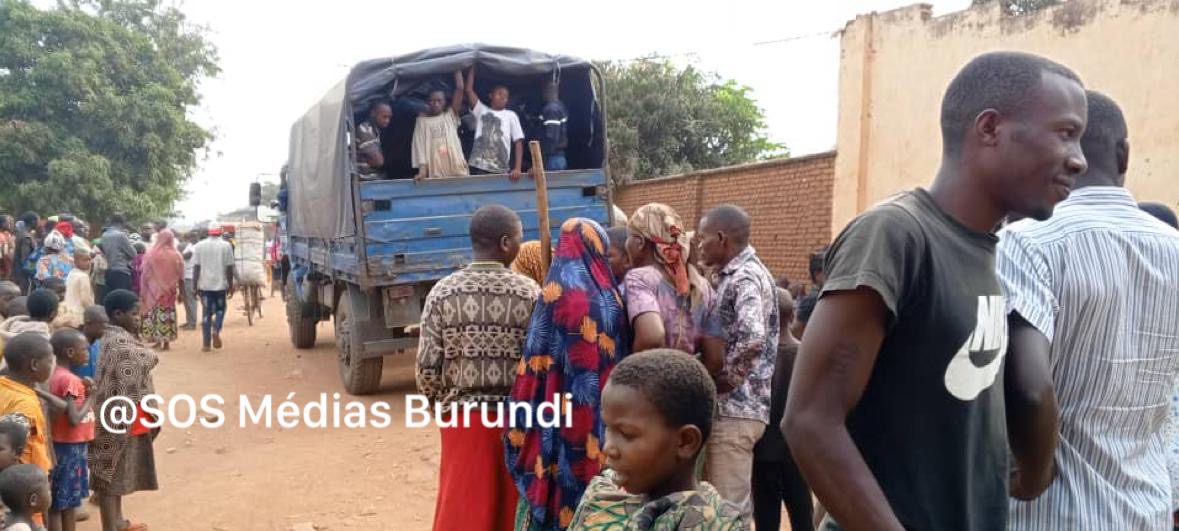
Congolese refugees living in a neighborhood in northwestern Burundi are being loaded onto a police truck and taken back to a refugee camp (SOS Médias Burundi)
Like Moïse, hundreds of refugees engage in small, informal activities in urban areas. They sell water, juice, doughnuts, fruit, or phone airtime. Others work in hairdressing or small retail.
Without formal business status, many lack the documents required by the administration. Yet, these activities constitute their main source of income and allow them to supplement the assistance they often consider insufficient in the camps.
For these families, a forced return to the camps would mean the loss of their main, or even their only, means of subsistence, with direct consequences for their ability to feed themselves and provide for their children.
Sanctions that reignite concerns
These fears are also fueled by the memory of the measures taken during the previous physical verification operation, organized last year.
According to several consistent accounts gathered in the camps, refugees who were absent during the check and unable to justify their absence faced severe penalties. After three months without reporting to the administration to regularize their situation, their refugee status could be revoked.
Even those who reported within the allotted time to justify their absence were not systematically spared. They were required to go to the camp administration office daily to sign an attendance register for a period ranging from three to six months.
This measure was experienced by those affected as a form of de facto house arrest. It prevented them from continuing their economic activities outside the camps and complicated their children’s education and their continued education in urban areas.
As this new verification process approaches, refugees living outside the camps fear facing the same restrictions again. For many, the issue goes beyond a simple administrative formality : it is about preserving their livelihoods, their children’s education, and the living conditions they have gradually managed to rebuild outside the camps.
As of October 31, Burundi was hosting nearly 157,000 refugees, 99.3% of whom were Congolese nationals. The others were primarily from Rwanda and Uganda.
———
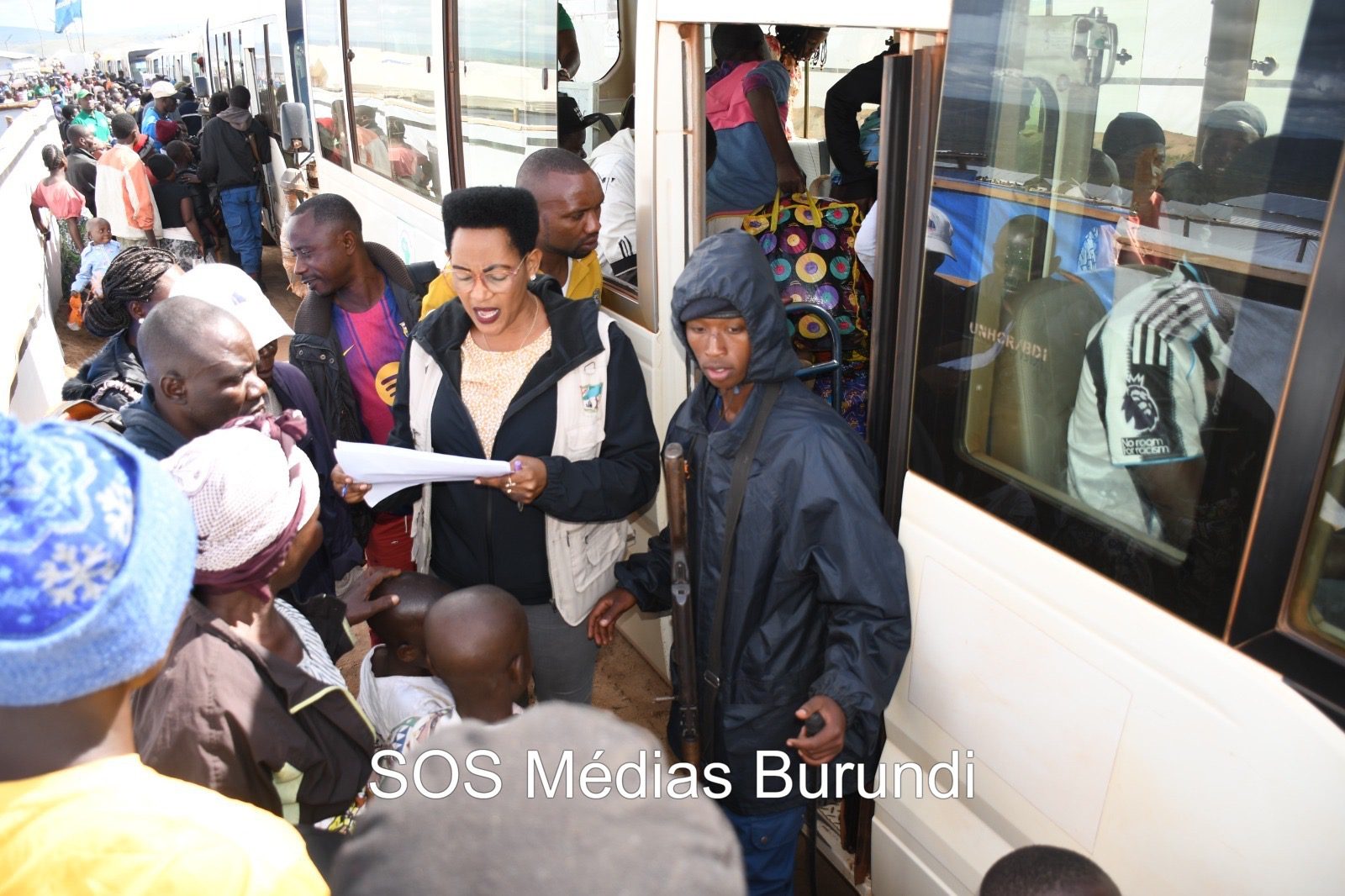
Refugees participate in an identification session during a repatriation operation at the Busuma site in eastern Burundi. The National Office for the Protection of Refugees (ONPRA) is preparing a new physical verification operation for refugees in camps across the country (SOS Médias Burundi)
You might also like
Rumonge : a man arrested for filming reprising Burundian soldiers in South Kivu
SOS Médias BurundiRumonge, December 19, 2025 – A man whose identity has not been released was briefly detained on Thursday in the center of the port city of Rumonge, in
Bubanza : a teacher threatened with death because of his ethnicity
A teacher from the Gitsira primary school was the victim of death threats on his way home. The attack, which is said to have an ethnic motive, raises questions and

Nakivale (Uganda): appearance of measles cases
Declaration of the highly contagious respiratory viral disease, measles, in the Nakivale camp. Among the emergency measures decided, there is the swift vaccination of all children aged between 9 and