
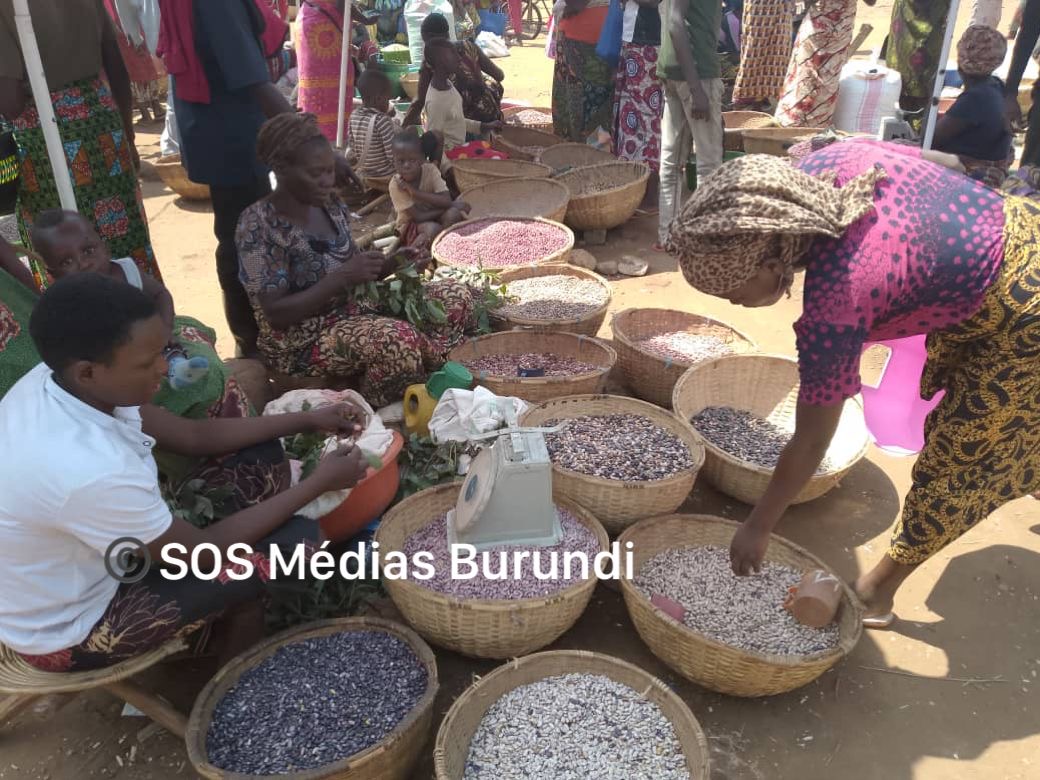
Burundi: Traders in Government-managed markets forced to pay rent tax twice
SOS Médias Burundi
Bujumbura, June 24, 2025 — Tensions are rising in government-managed markets across Burundi. Traders denounce double taxation as the Burundian Revenue Office (OBR) demands they pay the rent tax again for the years 2023 and 2024. Facing threats of stand closures, they call for clear explanations and reimbursements.
Accusations of double taxation
In a statement released on May 26, 2025, the OBR announced that payments made to a previously communicated bank account at Interbank Burundi are no longer recognized. The rent tax must now be paid exclusively into the Bancobu e’noti account. Those who fail to comply face severe sanctions, including closure of their stands and expulsion from the market.
Traders, frustrated, denounce what they see as blatant injustice.
“This is organized theft,” said a trader from Bubanza market in western Burundi, speaking anonymously. “We paid our taxes into the account provided by the OBR itself, and now they ask us to pay again because that account is supposedly no longer valid.”
The issue is not limited to Bubanza. According to multiple sources, this tax crisis affects all government-managed markets nationwide. Administrative authorities have been informed, and during local meetings, promises were made to reimburse amounts already paid into the Interbank Burundi account.
However, confidence remains low:
“It’s a lie; they just want to force us to pay twice. It’s a disguised way to extort money from us,” protested another trader.
The OBR has yet to clarify publicly the reimbursement process or explain why the Interbank Burundi account was invalidated. This opacity fuels anger and distrust among traders, who are already weakened by difficult economic conditions.
Faced with the threat of closures and expulsions, many traders are calling for mobilization to demand clarifications and guarantees before making any further payments. If the situation persists, government-managed markets in Burundi could become hotbeds of escalating tensions between the tax administration and economic operators.
For many traders, this fiscal crisis symbolizes a deep malaise in the management of public affairs in Burundi.
You might also like

Burundi : the price of the transport ticket revised upwards
The minister in charge of trade announced new prices for the transport ticket in the commercial capital Bujumbura and in the provinces, this Wednesday. The price of a bus ticket

Burundi: the company FOMI is still struggling to produce sufficient chemical fertilizers
Farmers from different localities in Burundi are grumbling as they don’t have enough chemical fertilizers for cropping season A. Worse still, the company FOMI (organal-mineral fertilizers) in charge of the

Burunga : the fertilizer crisis turns into a nightmare, farmers fear a food catastrophe
SOS Médias Burundi Bururi, June 22, 2026 – While agriculture remains the primary source of livelihood for a large portion of the rural population, farmers in the districts of Matana