
DRC : the WFP finally resumes food distribution to Burundian refugees after more than ten months of silence
SOS Médias Burundi
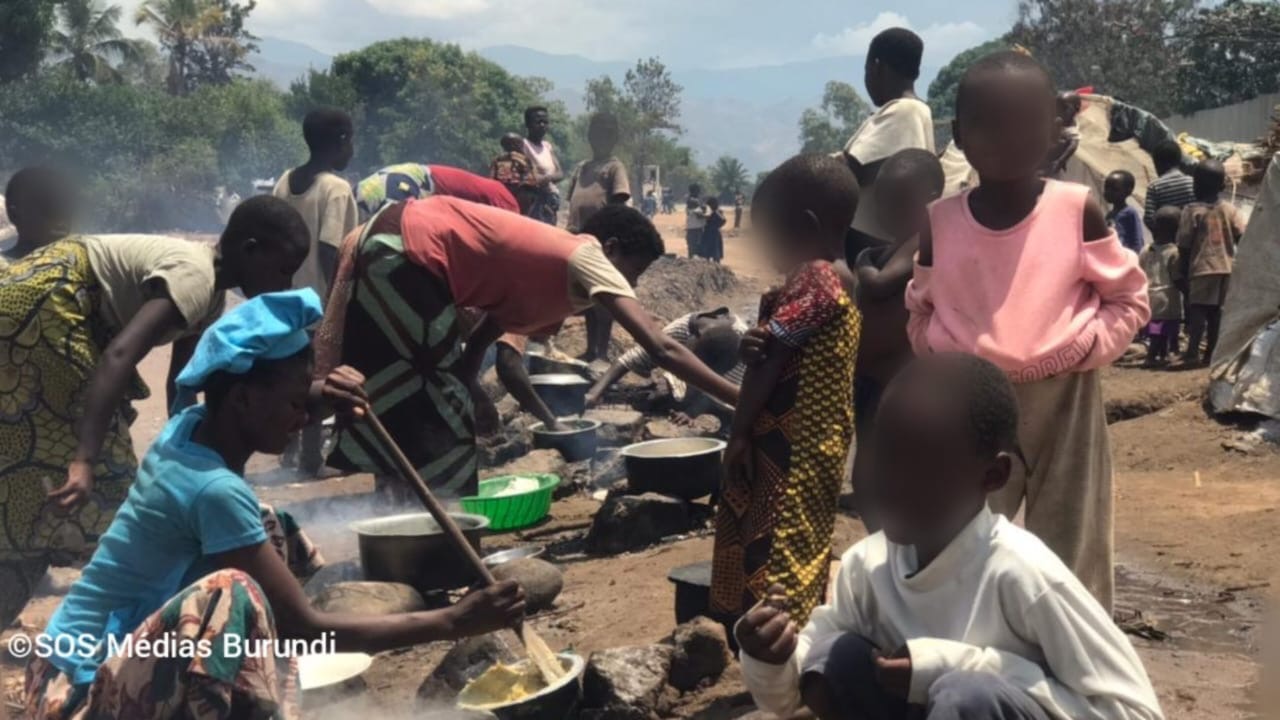
Bukavu, October 21, 2025 – After more than ten months without direct food assistance, the World Food Programme (WFP) has resumed food distribution to Burundian refugees in the Lusenda camp in eastern DRC, providing partial relief from the ongoing food crisis.
Recently, the WFP distributed food to Burundian refugees in the Lusenda camp, ending more than ten months without direct assistance. This period of famine has been marked by the cessation of cash transfers since December 2024, leaving refugees facing great difficulty feeding their families.
“We received 12 kg of flour and 450 grams of oil. We’re glad the WFP remembers us, but it’s nothing compared to the months we’ve spent without anything,” laments a refugee, the father of a large family.
Needs still desperate
Beneficiaries lament the absence of legumes such as beans or peas in the packages distributed. For many, this aid comes too late and in paltry quantities, given the debts and hunger accumulated over the months.
“The WFP gave me flour and oil, but nothing else. I’ll have to pay off the debts I incurred to feed my children,” says another refugee.
Causes of the discontinuation of assistance
According to humanitarian organizations on the ground, the interruption of aid in December 2024 was caused by a drastic drop in funding. The WFP, in collaboration with the United Nations High Commissioner for Refugees (UNHCR), was forced to suspend its programs due to insufficient resources.
A refugee population of more than 47,000 in the DRC
According to the UNHCR, the DRC is home to more than 47,000 Burundian refugees, most of whom are living in the Lusenda and Mulongwe camps in South Kivu province, eastern Congo. The ongoing food crisis has forced many refugees to make the difficult decision to return to Burundi in 2025, despite the risks to their safety.
A worrying humanitarian situation
The humanitarian situation in the camps remains alarming. The lack of regular support, coupled with growing food insecurity, exposes refugees to numerous risks, including malnutrition, disease, and poverty.
The WFP recently resumed its distributions, but the needs far outweigh the assistance provided. Refugees continue to wait for more regular and comprehensive assistance to survive in increasingly difficult conditions.
You might also like
Burundi : increased restrictions that suffocate refugees
Faced with growing security tensions, the Burundian government is imposing new drastic measures on refugees. These restrictions, which limit their freedom of movement and complicate their access to essential resources,
In Nakivale camp, thirst and disease threaten more than 150,000 refugees
SOS Médias Burundi Nakivale, August 19, 2025 – A month has passed without a single drop of water flowing from the public taps in Nakivale camp. The consequences are serious

Tanzania : hard blow for Burundian refugees, schools and churches closed in Nyarugusu and Nduta
SOS Médias Burundi Kigoma, October 1, 2025 – The 2025-2026 school year begins in uncertainty for thousands of Burundian refugee children in Tanzania. Since Monday, more than ten schools, including