Rwanda – Drastic reduction in assistance : refugees face growing concern
SOS Médias Burundi
The World Food Programme (WFP) has announced a significant reduction in cash assistance for refugees in Rwanda starting in April 2025. This decision is motivated by a lack of funding, but humanitarian consequences are likely to be severe, particularly in the Mahama camp.
Mahama, April 11, 2025 – Starting this April, refugees living in camps in Rwanda will see their financial assistance reduced by nearly 50%. The most vulnerable refugees, classified in the first category, will now receive 5,600 Rwanda francs (RWF) instead of 8,500 RWF. Those in the second category will see their assistance reduced from 4,250 to 2,800 RWF. These amounts, already considered insufficient, were mainly used to supplement basic food by purchasing vegetables, fruits, and other essential products for balanced nutrition.
“Even with the previous amounts, hunger persisted. Today, with this reduction, we can only expect the worst,” confided a refugee from the Mahama camp, located in the east of the country.
An increasingly precarious environment
This new measure adds to a series of increasing difficulties in the camps. In Mahama, which hosts more than 76,000 refugees, residents report increasing despair. The reduction in assistance could lead to an increase in banditry, the disintegration of family structures, and an increased risk of school dropouts, particularly with the threat of school canteen closures.
Furthermore, several humanitarian organizations operating in the camp have recently ceased their operations. This is the case for Prison Fellowship, while Save the Children and World Vision have drastically reduced their services. This reduction in humanitarian aid is exacerbating an already critical situation.
“Life is becoming increasingly unbearable. We are asking the Rwandan government to intervene or seek other donors to fill the gap,” says a Burundian refugees’ representative. “Otherwise, some of us are considering forced return, despite the risks.”
A silent crisis
The United Nations High Commissioner for Refugees (UNHCR) is also concerned about the impact of this budget cut on food security and social stability in the camps. The deteriorating situation could force thousands of people to make desperate choices.
Against this backdrop, the entire issue of humanitarian aid funding in the Great Lakes region is being raised. Refugees, for their part, are calling for international solidarity to prevent the crisis from worsening further.
——
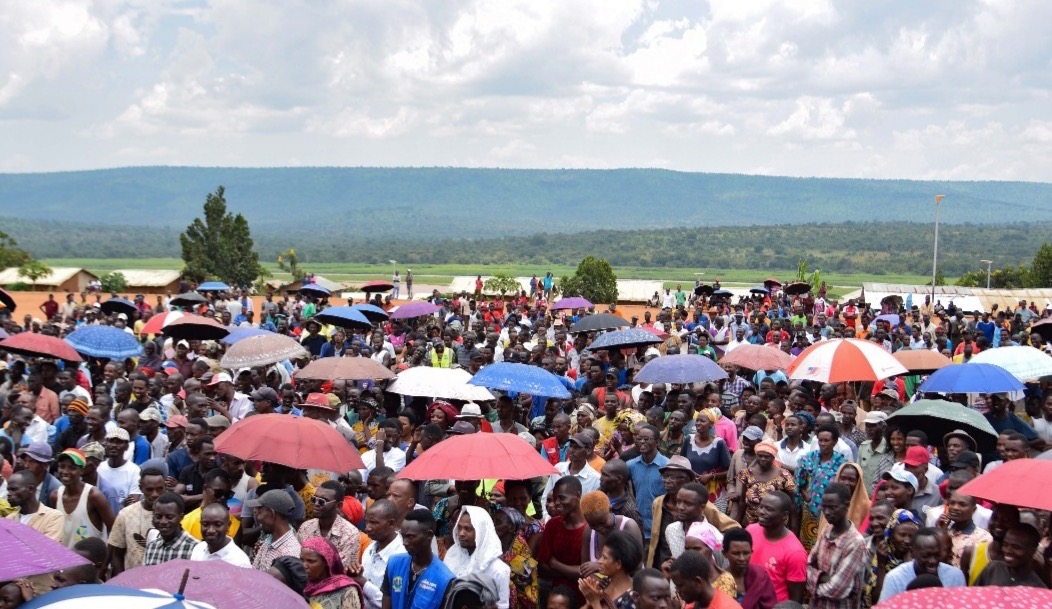
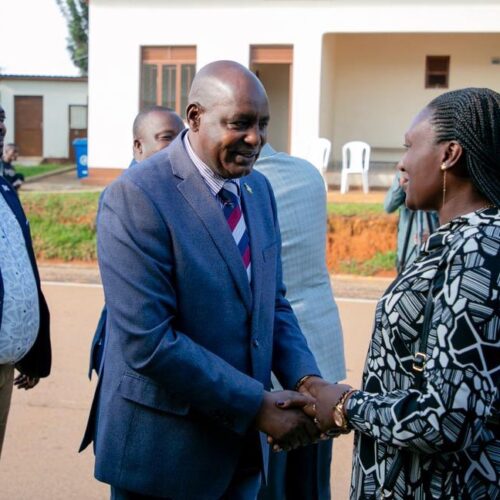
A gathering of refugees in the Mahama camp in eastern Rwanda (SOS Médias Burundi)
You might also like
Tanzania : dozens of young refugees missing in the Nduta and Nyarugusu camps
SOS Médias Burundi Kigoma, December 5, 2025 – Concern is growing in the Nduta and Nyarugusu refugee camps in the Kigoma region of northwestern Tanzania, where dozens of young people
Nakivale : two dead and several banditry shake the refugee camp
SOS Médias Burundi Nakivale, May 25, 2026 — A wave of insecurity is increasingly worrying refugees in the Nakivale camp in southwestern Uganda. Two people were killed last weekend in

Burundi-Rwanda: Gitega wants to calm Burundian refugees in Kigali
This Monday, Burundi sent a delegation to Rwanda for a campaign of sensitization on the voluntary return of Burundian refugees. They were five including three governors of provinces including two