
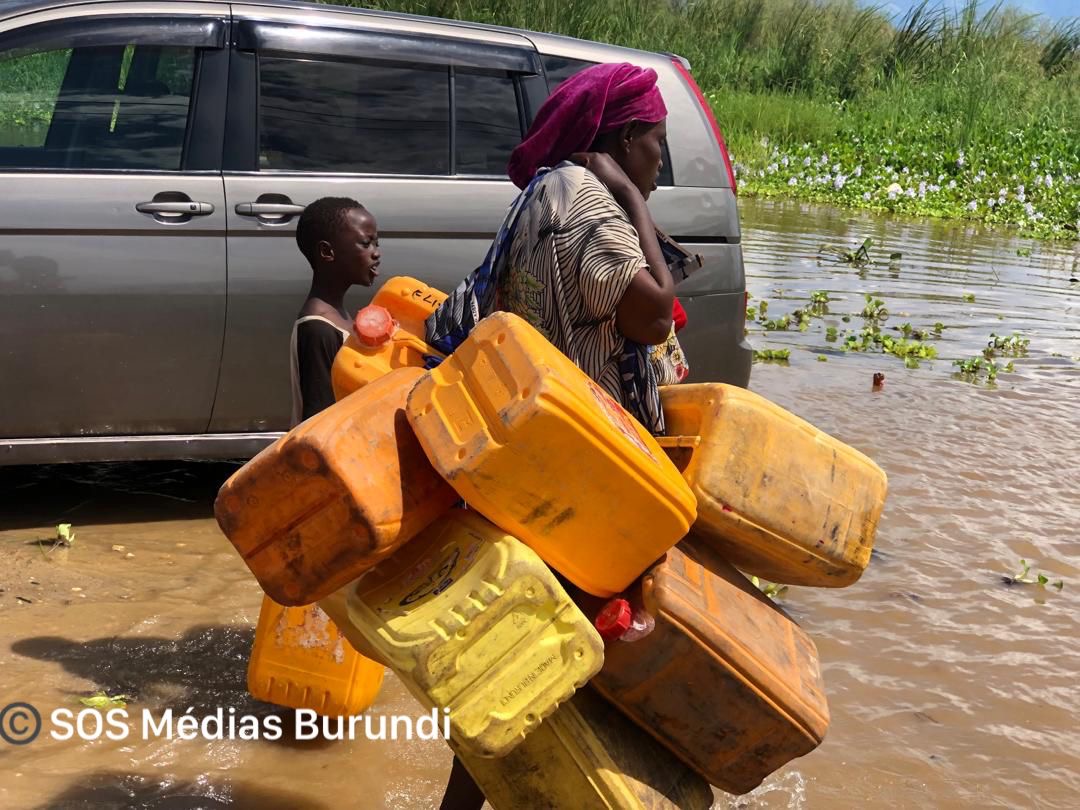
Bujumbura : hunger worries some women in the commercial capital
SOS Médias Burundi
Bujumbura, October 29, 2025 – Life is becoming increasingly difficult for many families in Burundi’s commercial capital. Rampant inflation, soaring food prices, and the prolonged economic crisis are plunging households into daily hardship. Some women describe a level of poverty that has reached alarming levels.
Food insecurity is taking hold in several working-class neighborhoods of Bujumbura. Women, often heads of households, say they no longer know how to feed their children.
“Hunger is about to kill us and our children,” confides a resident of the Nyakabiga neighborhood in Bujumbura. Like her, several mothers interviewed in the commercial capital describe a situation that has become unbearable.
For the past few months, food prices have been steadily rising in the commercial capital. Many families say they no longer know how to feed themselves each day.
According to vendors, rice now costs 7,000 Burundi francs (Bif) per kilo, beans 3,000 Bif, and tomatoes 5,500 Bif. “With 10,000 Bif, you can no longer prepare a complete meal,” laments N.D., a mother of three.
Another woman, a street vendor, adds :
“Our children have completed their studies, but they don’t have jobs. Before, we could still feed them, but now even that’s difficult. Finding enough food for the day has become a major problem.”
Some families are even seeing their children leave for other countries in search of a better life. J.N., a widow from the Bwiza neighborhood, recounts with emotion :
“My sons left for Zambia. They didn’t flee the war, but hunger.” “I no longer had the means to help them.”
In the markets, the situation is no more encouraging. Traders are also sounding the alarm. “If nothing is done, the lowest quality rice could cost 10,000 Burundi francs per kilo next year,” warns a vendor at the Nyakabiga market.
For Dative, another mother encountered on Avenue du Large, poverty affects all social classes :
“We women are the first to suffer. Money is losing its value. Even civil servants no longer know how to make ends meet.”
All these women are calling on the government to act without delay to stop the continuous rise in prices. “If nothing is done, tomorrow will be too late,” they warn.
According to several economists interviewed by SOS Médias Burundi, this surge in prices is linked to the persistent economic crisis and fuel shortages that have plagued the small east African nation for nearly five years.
Inflation in Burundi peaked at 45.5% in April 2025, with an annual rate of 20.21% in 2024. It then decreased to 34.5% in August 2025, marking a slight decline from the July peak. This sharp increase was primarily caused by soaring food prices and the continued depreciation of the Burundi franc.
Residents of Bujumbura—where UN agencies, NGOs, and the central government are concentrated—are particularly affected. They face a steadily rising cost of living in a country plagued by chronic shortages and unprecedented inflation.
Prices have risen significantly in the past year across Burundi, and particularly in Bujumbura, a city entirely dependent on local production—which has fallen due to a shortage of agricultural inputs and imports made difficult by a lack of foreign currency.
You might also like

Tanzania: UNHCR reaffirms support for refugees
The UNHCR Country Representative in Tanzania is visiting refugee camps across the country. She reassured them of their permanent support this year. Both in Nyarugusu and in Nduta, Mahoua Parums,

Kayanza: the nature forest of Kibira threatened by indigenous people having no arable land
Residents of Matongo and Muruta communes in Kayanza province (northern Burundi) threaten the natural forest of Kibira, the Burundian Office for Environmental Protection (OPDE) deplores. Information confirmed by local authorities
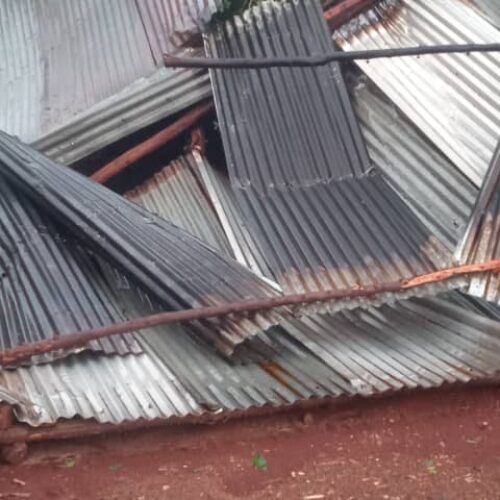

Burundi: torrential rains continue to destroy homes and fields of crops
At least 13 families have lost their homes in the commune and province of Kayanza (northern Burundi). Those families are from the Batwa, a minority and very poor community. They