
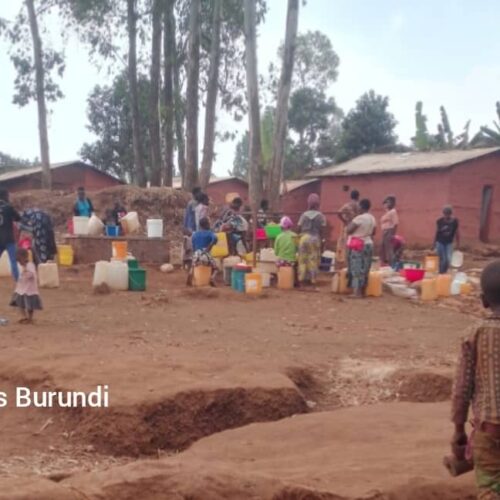
Dzaleka (Malawi) : three months without assistance for refugees
SOS Médias Burundi
Dzaleka, November 16, 2025 – Refugees in the Dzaleka camp, Malawi, are denouncing the lack of cash assistance for three months, which is causing serious social and economic consequences, including banditry in the crop fields and within households.
The previous distribution was in August 2025, recalls a Burundian refugee, a father of seven.
“The UNHCR and the Malawian government have suspended the distribution of 15,000 Malawi kwacha (US$8.65) per refugee. The larger the family, the higher the amount distributed. This is why some refugees here are having more children,” he explains.
In Malawi, refugees are encouraged to integrate and engage in agriculture, livestock farming, or trade. “Assistance should primarily support the elderly, the disabled, or the vulnerable. But we depend almost entirely on this aid because we don’t have enough land for farming or capital to start businesses,” another refugee explains.
The consequences of this suspension are visible : banditry in crop fields and households, crime, unwanted pregnancies, and other hardships.
The refugees are calling for the swift resumption of distributions, as rising market prices are making life in the camp increasingly difficult.
The Dzaleka camp currently hosts more than 50,000 refugees, including over 11,000 Burundians.
You might also like
Burundi : Congolese refugees receive financial aid following a shortage of food supplies
Since Wednesday, September 4, Congolese refugees living in Burundi have been receiving cash aid. The World Food Programme (WFP) explains that it wants to fill the gap “because the order
Burundi : Congolese Rrefugees in distress faced with dwindling aid
SOS Médias Burundi Musenyi, August 9, 2025 – Amid rising humanitarian needs and dwindling international resources, the regional representative of the United Nations High Commissioner for Refugees (UNHCR) in Africa,
 : three months without assistance for refugees)
Tanzania : more than 30 refugees pushed back and 2 women arrested
Burundian refugees, most of whom lived in Nyarugusu camp in Tanzania, were returned to Burundi. They were turned away because they did not have identification documents. In the Nduta camp,