

Musenyi : Congolese refugees rise up to say no to gender-based violence
SOS Médias Burundi
Musenyi, November 25, 2025 – The Congolese refugee camp in Musenyi, located in southeastern Burundi, was the scene of a powerful and symbolic mobilization on Tuesday, November 25, for the official launch of the 16 Days of Activism against Gender-Based Violence (GBV). The event, organized by the Center for the Support of Women, Children, and Vulnerable Persons (CEFEPV non-profit organization), comes at a time when sexual, psychological, and economic violence, as well as early marriage, remain a daily scourge for a large number of refugees.
This site hosts nearly 20,000 Congolese refugees who fled the armed violence ravaging eastern Democratic Republic of Congo, particularly the Greater Kivu region. Many still bear the scars of atrocities committed by armed groups.
A symbolic mobilization and a clear message
At the campaign launch, hundreds of women gathered, singing and carrying messages of resistance. Their slogan, chanted in unison, resonated throughout the site :
“We want no more gender-based violence in this camp!”
These moments of solidarity demonstrated that the voices of refugee women, long silenced by violence and fear, are now ready to be heard. This year’s theme, “Together, let’s end gender-based violence for safe and equal communities,” reinforces this collective momentum.
Among the participants, a survivor from the Uvira territory in South Kivu province testified anonymously :
“He grabbed me as I was leaving Bwegera for the Ruzizi River. An armed highway robber attacked me. I fled to Burundi to stay alive, but since arriving, I haven’t been able to stop being afraid. Participating in this campaign is an act of courage for me.”
For many women at the site, victims of abuse perpetrated by armed groups in conflict zones, the road to recovery remains long.
Stern figures
According to data compiled by the UNHCR and its partners—including the IRC (International Rescue Committee) and Save the Children—published in June 2024 :
98 incidents of gender-based violence were documented in June.
The majority of survivors were women, representing 83% of cases (81 incidents), while only one case involved a man (1%).
The most common types of gender-based violence (GBV) were psychological and emotional abuse (35 cases) and rape (27 cases).
Of the incidents, 80 involved refugees, 15 involved returnees, and 3 involved members of the community.
Violence against children comprised 14 recorded incidents.
These figures highlight the scale of the challenges faced by women and girls in the refugee context, particularly during times of conflict and forced displacement.
16 days of activism : a lever for protecting women
The 16 Days of Activism campaign aims to denounce, prevent, and reduce violence against women and girls through :
awareness-raising activities,
training,
advocacy, and community mobilization.
The CEFEPV aims to strengthen the confidence of survivors and facilitate their access to psychosocial, medical, and legal support.
At the national level, the official opening of the 2025 edition is scheduled for Thursday, December 4, 2025, in Gitega, the political capital of Burundi, with the participation of, among others, the IRC (International Rescue Committee) and other humanitarian partners.
You might also like
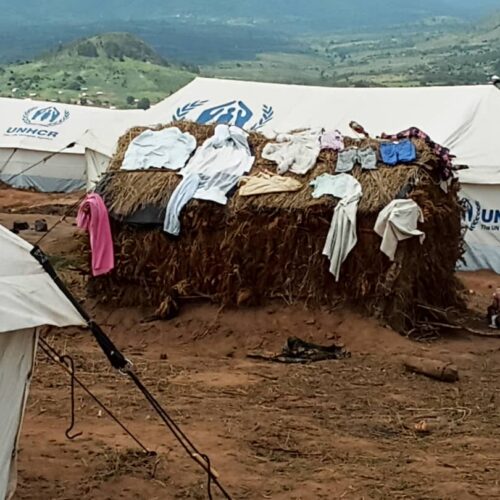
Busuma : attempts to return to DR Congo, Congolese refugees arrested and forcibly returned to the camp
SOS Médias Burundi Ruyigi, January 28, 2026 — In recent days, several Congolese refugees from the Busuma camp, located in the district of Ruyigi, Buhumuza province, in eastern Burundi, have
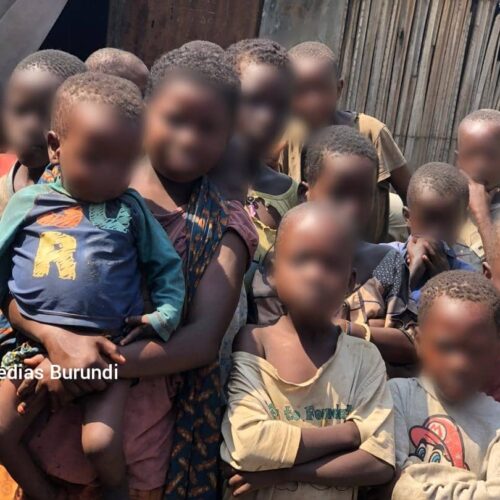
Uvira : due to lack of schools for their children, some Burundian asylum seekers opt for repatriation
Burundians living in the transit camps of Kamvimvira and Sange in the province of South Kivu in the east of the Democratic Republic of Congo are asking the UNHCR to
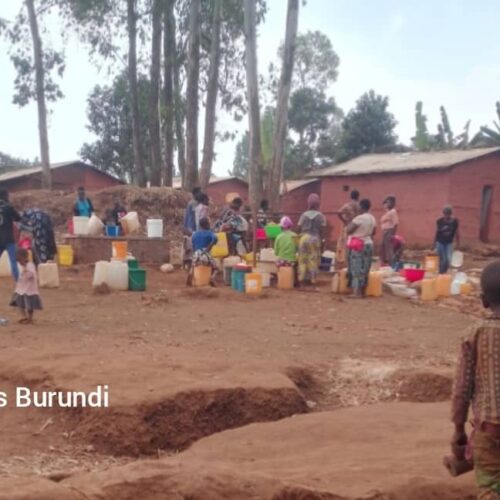

Rutana : a worrying health crisis on the Giharo refugee site
The Giharo refugee site, located in Rutana province, in southeast Burundi, is in the grip of a serious health crisis. The local health center, crucial for this vulnerable population, is