
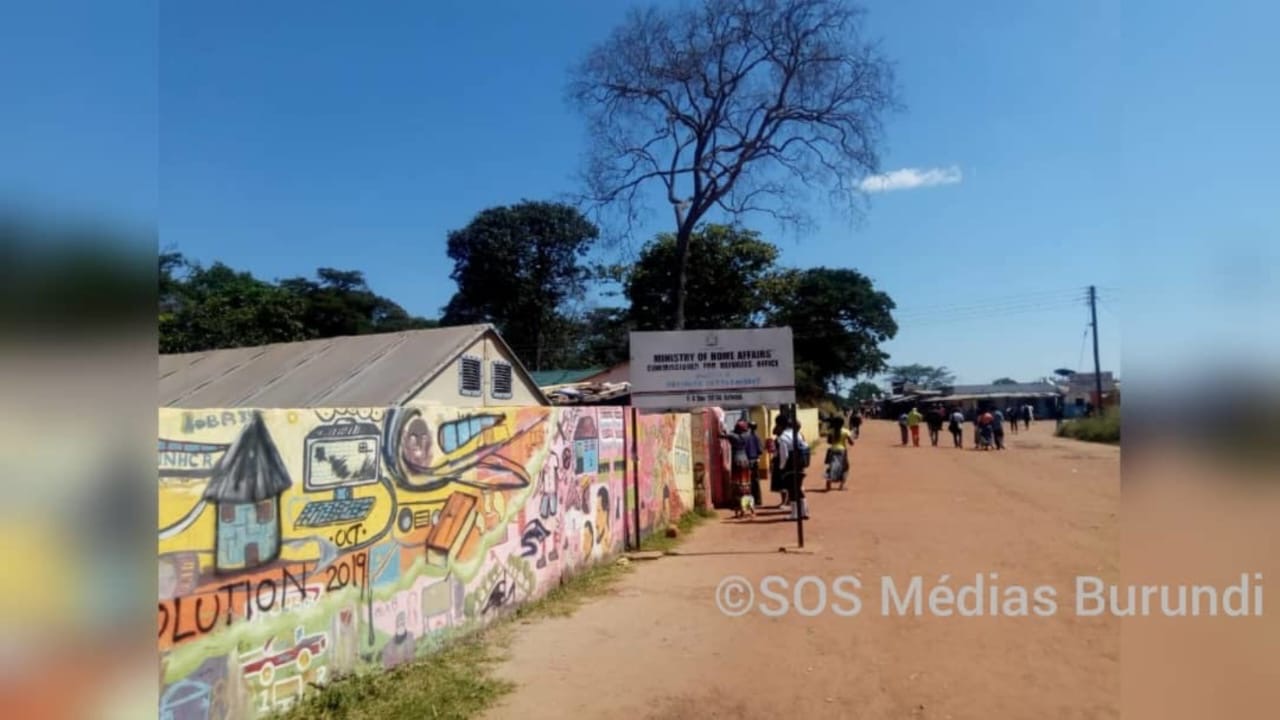
Meheba (Zambia) : climate change negatively impacts the agricultural harvest
SOS Médias Burundi
Meheba, November 24, 2025 – Refugees in the Meheba camp, in northwestern Zambia, are experiencing very poor agricultural production following uncontrolled and unpredictable rainfall after a prolonged drought. Faced with this situation, they are appealing for emergency aid.
Lost harvests
In October 2025, the country experienced the start of its rainy season, with rainfall considered normal to above average for the 2025/2026 season, according to local weather forecasts. This rainfall is expected to continue until April 2026.
Refugees, who primarily cultivate beans in the marshlands, have suffered heavy losses.
“I had taken half a hectare. But the entire crop is ruined because of the rains. I wonder how I’m going to harvest at least 400 kg (eight sacks) to pay the landowner, as stipulated in our agreement,” laments a Burundian refugee.
According to him, more than 30 hectares rented by refugees have been affected by these extreme weather conditions.
“All these plots are rented under harvest-sharing agreements with local landowners.” “But if the harvest is poor, what little remains goes to the landowner,” emphasize refugees who spoke to SOS Médias Burundi.
A prolonged drought worsens the situation
The poor agricultural season comes after a prolonged and unexpected drought, which particularly affected northwestern Zambia, the region where the Meheba camp is located.
“This climate change should prompt the government and the UNHCR to provide us with emergency aid, because we have no other alternatives,” stressed refugees who spoke to SOS Médias Burundi.
Destroyed infrastructure
The refugees are also calling for the rehabilitation of the bridges connecting the camp, which were destroyed by the rains. This damage cuts the camp off from the rest of the Kalumbila district, endangering the lives of the inhabitants.
A vulnerable population
The Meheba camp currently hosts more than 27,000 refugees, including approximately 3,000 Burundians, who are facing increasing food insecurity due to the impacts of climate change.
You might also like
Dzaleka (Malawi) : four nurses dismissed
The camp administration and the UNHCR have dismissed nurses after an investigation into the theft of medicines intended for refugees in Dzaleka camp located in Dowa district, some 41 kilometers
Nakivale : towards a mass repatriation of Burundians, between “voluntary return” and accusations of pressure
SOS Médias Burundi Nakivale, April 14, 2026 — Ugandan authorities and the United Nations High Commissioner for Refugees (UNHCR) have launched a new awareness campaign to accelerate the repatriation of
 : climate change negatively impacts the agricultural harvest)
Muyinga-Ngozi : urban Congolese refugees expelled
In Muyinga in northeast Burundi, a hundred refugees from camps of Musasa in the province of Ngozi (north) and Kinama in the province of Muyinga, were expelled last Friday to