
Rwanda : the EU, the WFP, and the UNHCR launch a joint project to empower refugees and host communities
SOS Médias Burundi
Kigali, December 28, 2025 – The European Union (EU), the World Food Program (WFP), and the United Nations High Commissioner for Refugees (UNHCR) have officially launched a joint project aimed at strengthening the economic empowerment of refugees and host communities in Rwanda.
This three-year project aims to help 3,200 refugee families and 800 families from host communities, totaling 4,000 households, become more self-reliant and sustainably meet their basic needs. The initiative is made possible by a €10 million contribution from the European Union.
This program marks a significant step forward in the implementation of Rwanda’s strategy for the sustainable empowerment of refugees (2025-2030). This national initiative aims to enable 50% of refugee households in Rwanda to transition from dependence on humanitarian aid to sustainable livelihoods by 2030, according to MINEMA (Ministry in Charge of Emergency Management), the Rwandan ministry responsible for emergency and refugee management.
Speaking at the signing ceremony, Minister Albert Murasira, Minister in Charge of Emergency Management, praised the importance of this initiative.
“This project marks a significant milestone in creating meaningful pathways to self-reliance for refugees in Rwanda. By helping 4,000 refugee and host community households access sustainable livelihoods, we are demonstrating the power of strong partnerships to drive tangible and lasting change and strengthen community resilience,” he said.
For his part, Martin Seychell, Deputy Director-General of the European Union’s Directorate-General for International Partnerships, emphasized the commitment to making this program economically sustainable.
“The program we are signing is a concrete demonstration of the European Union’s support for the Rwandan government’s ambitions to enable refugee households to move from dependency to self-reliance,” he stated.
Thanks to the EU support through this project and other initiatives, nearly 20% of refugee households are expected to progress toward economic inclusion, he added.
“This new initiative further strengthens our long-standing commitment to the Great Lakes region and reflects our dedication to the link between humanitarian aid, development, and peace, which is more essential than ever in a context of increasing pressure on limited resources,” Mr. Seychell concluded.
Specifically, the project involves a series of sequential interventions, including the provision of production tools, targeted cash payments, and tailored training in entrepreneurship and climate-smart agricultural techniques. These actions will benefit 4,000 households across five refugee camps, including Mahama, which hosts Burundian and Congolese refugees, as well as the surrounding host communities.
The program also aims to maximize its long-term impact by supporting village savings and loan associations, thereby strengthening the financial inclusion and economic resilience of beneficiaries.
UNHCR Representative in Rwanda, Ms. Ritu Shroff, emphasized the importance of an inclusive approach.
“Both refugees and host communities deserve to lead dignified, productive, and independent lives. With the right support, they are absolutely capable of doing so. The UNHCR remains committed to working alongside MINEMA, the Rwandan Ministry of Emergency Management and Refugees, the European Union, the WFP, and all its partners to ensure this project has a significant and lasting impact,” she said.
This project comes at a sensitive regional time, as Rwanda continues to host refugees fleeing the ongoing insecurity in eastern Democratic Republic of Congo.
Currently, Rwanda hosts more than 136,000 refugees, primarily from the DRC and Burundi. Many have been dependent on humanitarian aid for years. By integrating refugee assistance into national development plans and facilitating their access to markets and financial services, this project aims to provide a replicable model of sustainable solutions to address protracted displacement.
You might also like
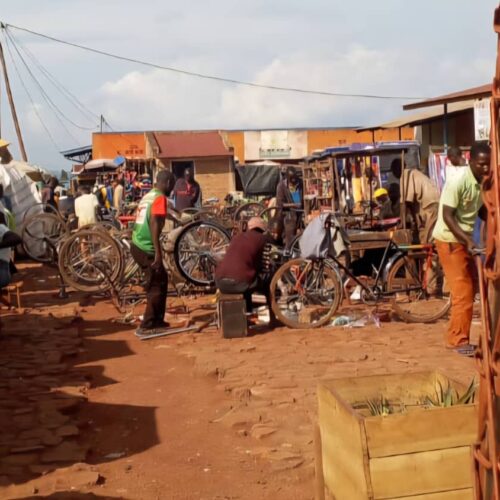
Kiremba : alcoholism on the rise in Musasa refugee camp and threatens social cohesion
SOS Médias Burundi Kiremba, July 6, 2026 — The excessive consumption of hard liquor by some Congolese refugees in the Musasa camp, located in the Kiremba district of Butanyerera province
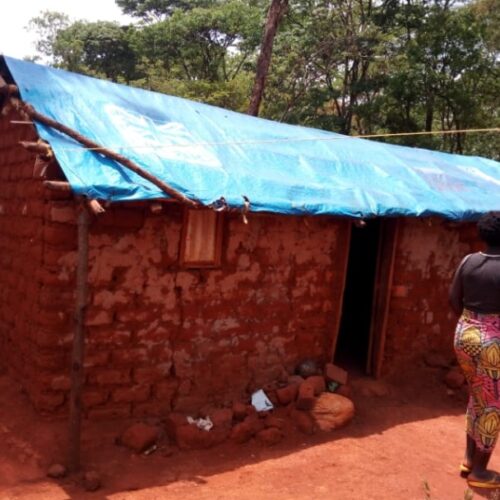
Nduta (Tanzania): ghasia kati ya polisi na wakimbizi kutoka Burundi
Tangu weekendi iliyopita, polisi imekuwa katika harakati za kuwakamata wafanyabiashara wanaoendeshea shughuli zao nyumbani. Maduka pia yanachomwa moto. Hasira ya wakimbizi ilipanda hadi kuwarushia mawe polisi. HCR ilijaribu kutuliza hali.
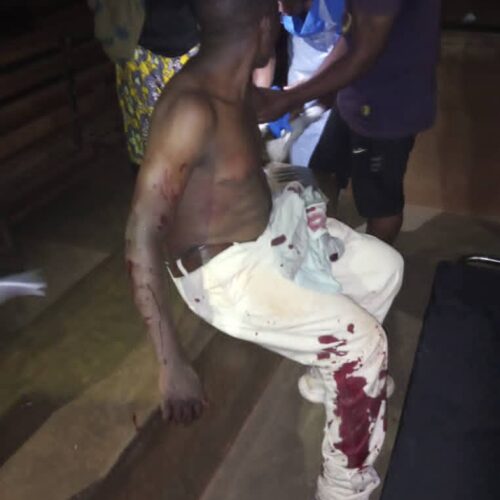

Dzaleka : a grenade explosion injured 15
A grenade was thrown on Wednesday night by unidentified people in the Dzaleka refugee camp in Malawi. A bistro of a Burundian community leader was targeted. Police say they have