Busuma : water shortage and unsanitary conditions threaten the lives of Congolese refugees
SOS Médias Burundi
Ruyigi, January 5, 2026 – Established as an emergency measure in early December 2025, the Busuma camp, located in Ruyigi district, Buhumuza province, in eastern Burundi, is hosting a massive influx of Congolese refugees from various transit centers near the Burundi-Congo border. These people were temporarily hosted there after fleeing recent hostilities between the FARDC (the Congolese loyalist army supported by the local Wazalendo militias backed by Kinshasa and the FDNB (Burundi National Defense Force), and the M23.
Less than a month after its opening, Busuma, already overcrowded, is facing a serious humanitarian crisis, marked by an acute shortage of drinking water and a critical lack of sanitation infrastructure.
In this camp, the lack of toilets is one of the most pressing problems. The few latrines available are woefully inadequate for more than 65,000 people. As a result, many refugees are forced to relieve themselves in or around the camp, exposing the entire community to serious health risks. Cases of cholera have already been reported, fueling fears of an uncontrollable epidemic.
“We live in inhumane conditions. There are almost no toilets, and hygiene is impossible to maintain. We are afraid of dying here from disease,” says Pascal*, a Congolese refugee who recently arrived in Busuma.
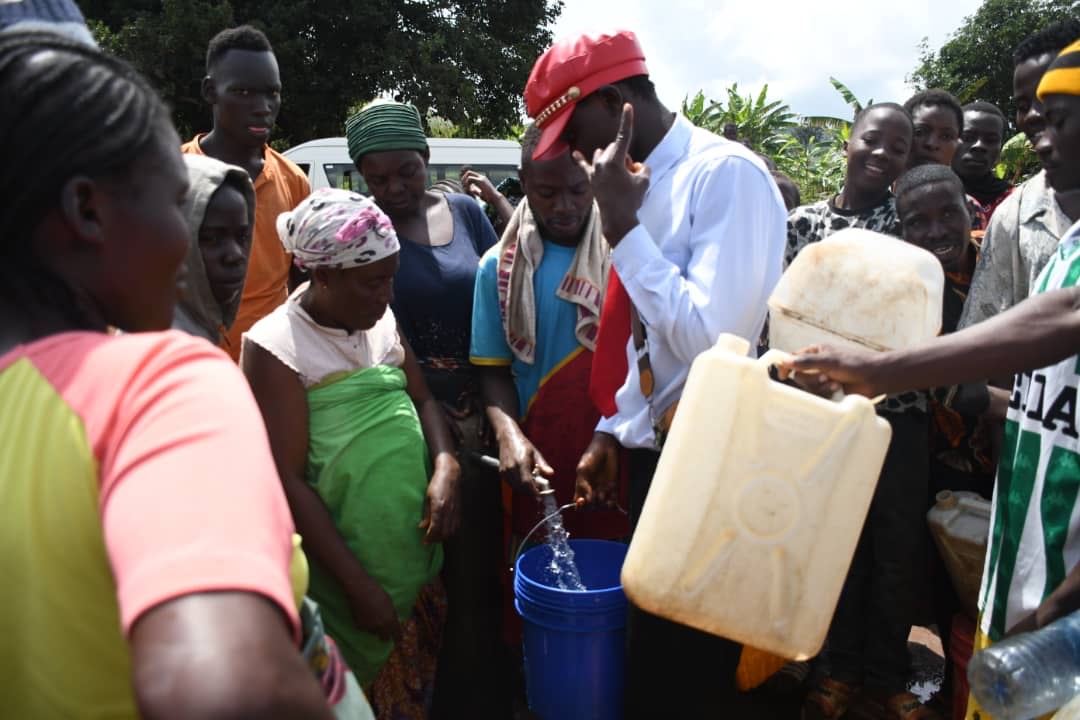
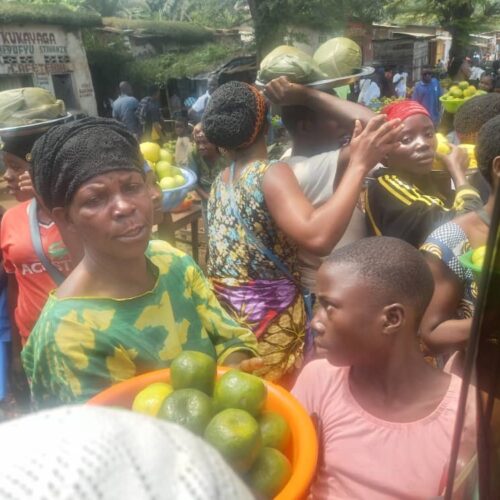
Adding to this critical health situation is a severe shortage of drinking water. The camp, located on a mountaintop, forces refugees to travel long distances, sometimes crossing two markets, to reach water sources in the lowlands used by the host communities.
“To find water, we have to go very far down into the valley. It’s extremely tiring. Sometimes I go a whole day without washing,” says Macozi, a 65-year-old refugee. “For a woman, it’s very difficult. Elderly people who live alone simply don’t have the strength to make that journey.”
Besides water and hygiene, refugees denounce the lack of food, adequate shelter, and healthcare. According to several accounts, deaths are recorded daily in the camp. “We bury between eight and ten people a day. Even if other factors may be involved, the lack of hygiene remains the primary cause,” warns one refugee, making an urgent appeal to humanitarian organizations.
Faced with this alarming situation, the United Nations High Commissioner for Refugees (UNHCR) acknowledges the scale of the needs. Last December, Brigitte Mukanga-Eno, UNHCR representative in Burundi, indicated that the organization needed $33 million to ensure a humanitarian response over four months, from December to the end of May. “We hope to be able to revise this plan, as the influx of refugees continues,” she stated.
The violence in the DRC persists despite the Washington Agreement, signed on December 4, 2025, between the DRC and Rwanda under the US mediation, in which Burundi participated as an observer, represented by President Évariste Ndayishimiye. Kinshasa accuses Kigali of supporting the M23, while Rwanda denounces the alleged support of the DRC and Burundi for the Democratic Forces for the Liberation of Rwanda (FDLR), a Rwandan Hutu armed group, some of whose members are accused of participating in the 1994 genocide against the Tutsis.
Despite repeated denials from Kigali, a report by the UN Group of Experts, which Rwandan authorities have dismissed as a “sham,” asserts the presence of 5,000 to 7,000 Rwandan soldiers alongside the AFC/M23 rebels. Reactivated in 2021, the M23, composed mainly of Congolese Tutsis and now part of the Congo River Alliance (AFC) led by Corneille Nangaa, former president of the Congolese Independent National Electoral Commission (CENI), currently controls several strategic territories in North and South Kivu, including Goma and Bukavu, as well as major mining sites, notably the Rubaya deposit, one of the world’s largest coltan deposits.
Meanwhile, nearly 90,000 Congolese refugees arrived in Burundi in December alone, adding to more than 70,000 who had arrived earlier in the year, exacerbating the humanitarian and security pressures in several eastern provinces.
Faced with this crisis, refugees and the civil society are increasingly calling for urgent, sufficient, and responsible humanitarian assistance, in accordance with international standards, particularly the 1951 Convention relating to the Status of Refugees.
The priority needs include :
access to food,
shelter,
healthcare,
drinking water,
and dignified living conditions.
The voluntary return of Congolese refugees is being discussed as an alternative, provided it takes place in safe, humane conditions that respect the dignity of those involved. In Busuma, more than 90 refugees have died due to the precarious living conditions in the camp.
You might also like
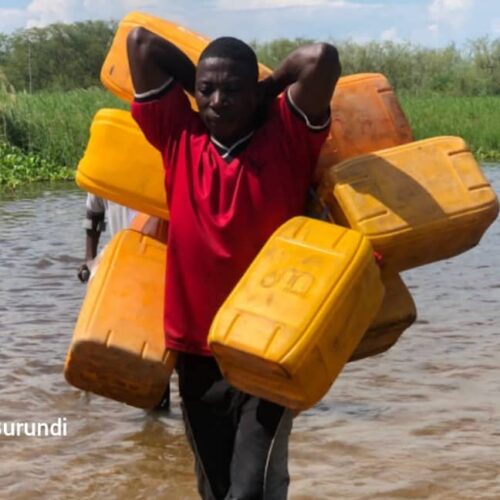
Photo of the week : Burundians go to stock up on fuel in the DRC, the price there is revised upwards
For months, Burundi has been suffering an unprecedented fuel shortage. Some Burundians decide to go look for it in Uvira in the province of South Kivu, in the east of
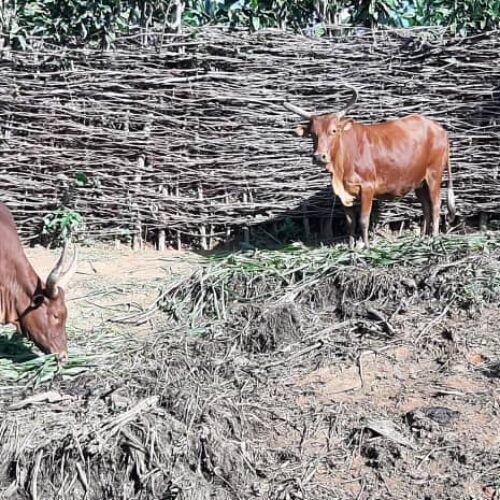
Burunga : after months of losses, cattle vaccination finally launched
SOS Médias Burundi Bururi, July 26, 2026—After several months marked by the spread of the foot-and-mouth disease and significant livestock losses, the Ministry of Environment, Agriculture, and Livestock organized a

Between closed borders and unsold tangerines, women of Rumonge are innovating
SOS Médias Burundi Rumonge, May 27, 2025 — While fruit growers in the district of Rumonge (southwestern Burundi) are struggling to sell their tangerines due to the border closure with