Kakuma : the UNHCR focuses on self-reliance to reduce the refugee dependency
SOS Médias Burundi
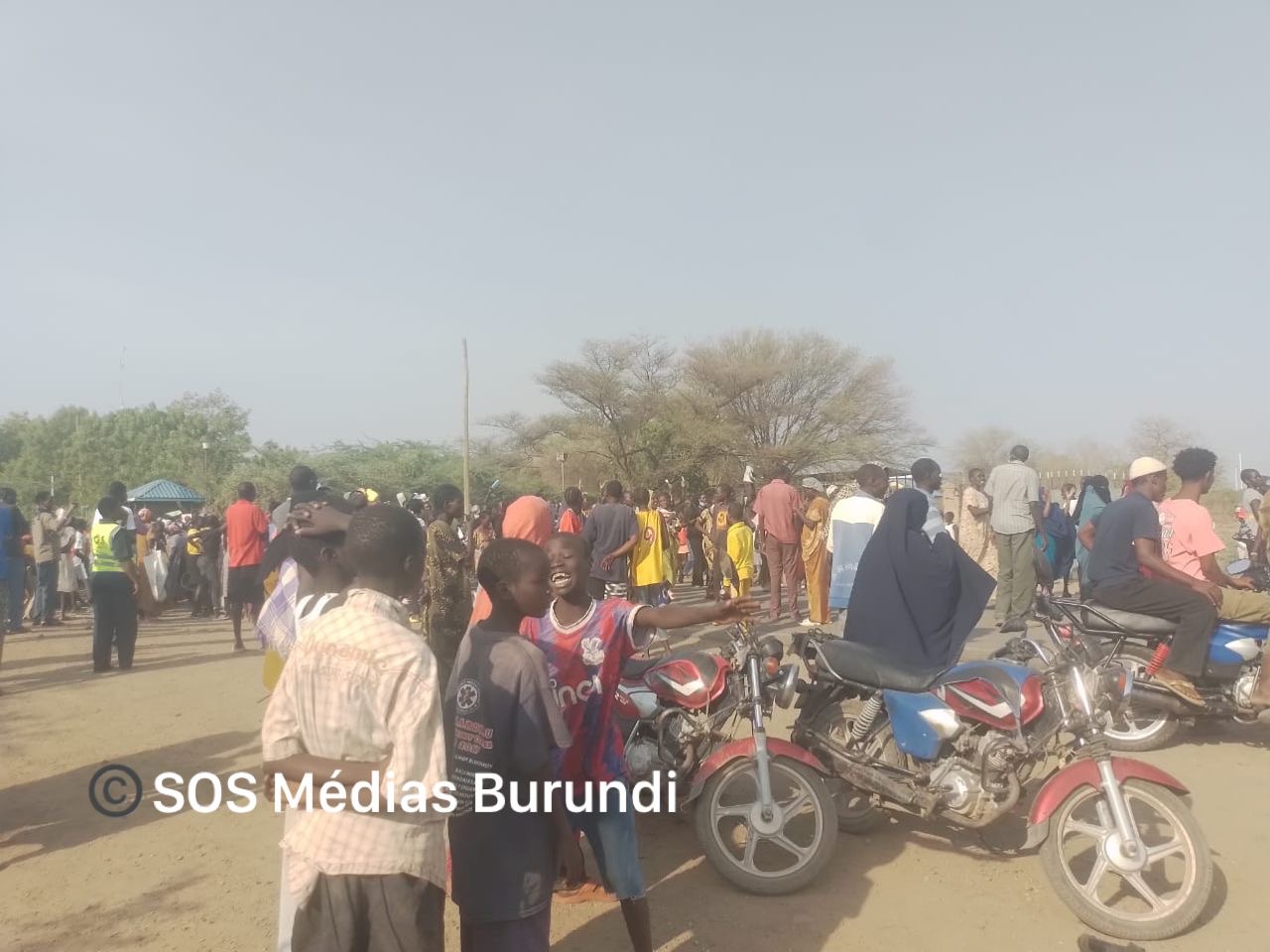
Kakuma, February 2, 2026 – The United Nations High Commissioner for Refugees (UNHCR) has launched a program to financially empower refugees in the Kakuma camp and its extension, Kalobeyei, located in northwestern Kenya, in order to reduce their dependence on humanitarian aid. The initiative primarily targets refugees with small development projects, who are allocated 30,000 Kenya shillings (approximately US$232) to start or expand their businesses.
Four social categories
The UNHCR currently classifies refugees into four social categories, based on their income and lifestyle. The first two categories are considered vulnerable and continue to receive targeted assistance, while the last two categories no longer receive any aid due to their presumed self-reliance.
The financial empowerment program focuses on the second category. Beneficiaries are selected based on their small businesses or projects awaiting funding. Three refugees who know each other are grouped together and approved by the Block Leader. They then receive business management training, tailored either to starting or developing their existing business.
“What we appreciate most is that the money we receive is non-repayable,” says a Burundian refugee who is already a beneficiary.
Monitoring and autonomy
Regular monitoring is provided by a UNHCR partner NGO. After approximately four months, beneficiaries are expected to become self-reliant, capable of managing their businesses independently.
Despite the enthusiasm of some, other refugees remain skeptical, fearing that the success of their businesses will move them out of the second category and into the less vulnerable groups, which receive no assistance. The UNHCR reassures, however, that this funding has no impact on the social categorization of refugees, while reiterating that its primary objective is to promote financial self-sufficiency in order to reduce dependence on humanitarian aid, which is often limited by the global economic situation.
A delicate situation
The Kakuma camp and its extension in Kalobeyei currently host more than 250,000 refugees, including approximately 25,000 Burundians. The decrease in humanitarian aid, combined with a lack of economic opportunities, is fueling a sense of injustice and frustration, which threatens the stability of this vast camp, located in an already fragile region.
You might also like
Rwanda: Burundians in exile undertake to survive
Refugee life requires working to survive. The Burundian refugees of kigali have understood it. Some make small shops and others small jobs. Info SOS Media Burundi Annick Iriwacu is a
Meheba (Zambia) : a Burundian refugee attacked
He is part of a group of Meheba market sentries who were attacked by as yet unidentified bandits. He and his colleagues are agonising at the regional referral hospital. INFO

Tanzania: viongozi watawafukuza tena wakimbizi wa zamani wa burundi waliorudi uhamishoni
Kwa jumla, ni raia wa burundi 1048 wanaolengwa na hatua hiyo. Wote ni wakimbizi wa zamani waliorudi ukimbizini katika miaka miwili iliyopita baada ya kurudi nchini Burundi. Walengwa hao wanaomba