Cholera in Nyanza : drinking water funds vanish, the population pays with their health
SOS Médias Burundi
Nyanza, February 3, 2026 – For more than three years, cholera has remained a persistent threat in Burundi. Officially declared in January 2023, the epidemic continues to claim victims, particularly in the south of the country. In Buheka, a village in the Nyanza district of Burunga province, the disease is striking an already vulnerable population, while accusations of embezzlement for a drinking water project that was never implemented have resurfaced.
According to local sources, 13 people from 13 separate households have been hospitalized at the Nyanza-Lac District Hospital since Sunday, February 1, 2026, all suffering from cholera. These cases originate from five of the eight sub-villages in Buheka, revealing the village vulnerability to the epidemic.
Stream water becomes a threat to life
The spread of the disease is linked to the chronic lack of drinking water. The majority of Buheka’s inhabitants draw their water from the Nyabarere, Muyovozi, Gitimbarwe, and Gitotwe streams, water sources considered unsafe for drinking but consumed for lack of alternatives. This situation exposes the population daily to waterborne diseases, with cholera having become endemic in several areas since the 2023 outbreak.
A financial scandal behind a health crisis
The epidemic has also revived a highly controversial issue : a drinking water supply project launched in 2020, funded by the local population and partners, but never completed.
According to consistent accounts, an amount of over 100 million Burundi francs was collected from the residents of Buheka, amounting to 8,000 francs per household, supplemented by 10 million francs from the Diocese of Bururi and funds sent by Burundian nationals living abroad. Despite these resources, no drinking water network has been built, leaving the population exposed to serious health risks. Some residents even denounce administrative pressure and intimidation to force payment.
Investigations demanded and lives at risk
Faced with this situation, the residents are demanding accountability and the opening of independent investigations. They are pointing the finger at the former district administrator, Marie Goreth Irankunda, as well as the administrative officials in office when the funds were collected.
For them, the issue goes beyond mere financial considerations : it concerns the very survival of the population, as cholera continues to plague the district.
An emergency intervention deemed insufficient
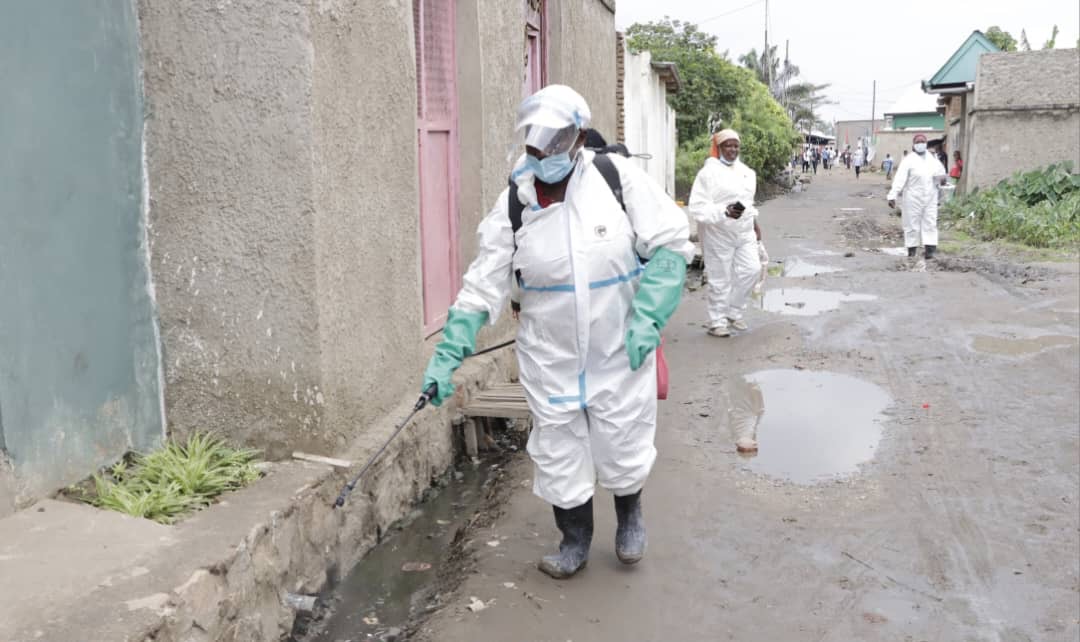
Health authorities and partner organizations visited Buheka village on Monday to distribute about thirty pumps and disinfectant products to affected households. But for the residents, these measures are temporary and do not solve the underlying problem. According to them, the effective implementation of a drinking water network remains the only sustainable solution to prevent further outbreaks.
A threat that extends beyond Buheka
Buheka village is not an isolated case. Other villages in the Nyanza district, such as Mukungu, Mugerama, and Rubindi, are also reporting cases of cholera, with some sources even mentioning loss of life. In all these areas, residents are forced to drink water from Lake Tanganyika or untreated streams, despite the sporadic efforts of the authorities.
An urgent call for lasting solutions
Faced with this health crisis and accusations of mismanagement of funds, the residents of Buheka are calling on the authorities for swift, transparent, and lasting solutions. For them, access to clean water is no longer a luxury, but a matter of survival in a province where cholera, declared in January 2023, continues to claim victims.
You might also like
Burundi : fight against the Mpox pandemic, city dwellers seem to trivialize the disease
Measures to prevent the spread of monkeypox are not seriously respected in different neighborhoods of the commercial capital Bujumbura. Despite incessant calls and warnings from the authorities, the population turns

Mahama (Rwanda) : poor quality of health services
In the Mahama camp in Rwanda, refugees denounce poor quality of services provided in dispensaries. Only urgent cases are handled. This happens at a time when the new manager of

Ngozi : suspension of free care at the Kiremba autonomous hospital
This measure is a very hard blow for children and pregnant women. It came after investigations carried out by the ministry in charge of health. The concerned health facility is