

Burundi : the biometric ID card still far from a reality
SOS Médias Burundi
Bujumbura, May 11, 2026 – Presented by the Burundian government as a major step towards administrative modernization, the future national biometric and digital identity card is generating as much hope as it is questions. Behind the ambitions expressed by the authorities, several structural challenges risk delaying, or even seriously complicating, the effective implementation of this project nationwide.
During the official presentation of the project on May 6, 2026, the Ministry of the Interior highlighted a reform intended to strengthen the security of administrative documents, combat identity fraud, and facilitate the movement of citizens in certain African countries. The future card will be equipped with biometric data and a unique identification number that will be used in all official documents. But on the ground, the realities of the country still seem far removed from the requirements of such a sophisticated system.
Among the main obstacles is the lack of electricity in several regions of Burundi. Many rural communities still experience frequent power outages or are simply not connected to the electrical grid. Yet, biometric registration, data storage, and the digital issuance of identity cards require equipment that operates continuously with a stable power supply.
Weak internet connectivity is another major challenge. In some areas, network access remains limited or unstable, including in the economic capital, Bujumbura, where United Nations agencies and the central government are concentrated. This situation could slow down data transmission, complicate citizen identification, and cause delays in the production of identity cards.
The government mentions alternative solutions such as solar power and mobile connectivity equipment. However, several observers believe these measures are likely to be insufficient given the scale of the project’s technical and logistical needs.
The issue of funding also remains a concern. Even though the authorities promise an affordable cost for the population, implementing a national biometric system requires significant investment: acquiring digital equipment, securing data, training staff, maintaining the machines, and ensuring coverage of the entire country.
Added to this is the challenge related to civil registration. In some areas of the country, many citizens still lack reliable or properly registered administrative documents. However, the success of a biometric system depends first and foremost on a complete and credible civil database.
Among the eight countries of the East African Community, Burundi and the Democratic Republic of Congo remain the only states without a national biometric identity card, with South Sudan being the last to have begun this process. Currently, the voter registration card remains the primary identity document used by the majority of citizens in the Democratic Republic of Congo (DRC).
Concerns are also emerging regarding the protection of personal data and the administration’s ability to guarantee the confidentiality of the biometric information collected. Some analysts believe that a robust legal framework and independent oversight mechanisms will be necessary to prevent potential abuses or leaks of sensitive data.
While the authorities present this reform as a tool for modernization and national security, numerous technical, energy, administrative, and financial challenges indicate that the widespread adoption of biometric identity cards in Burundi could still take some time before becoming a concrete reality for the entire population.
You might also like
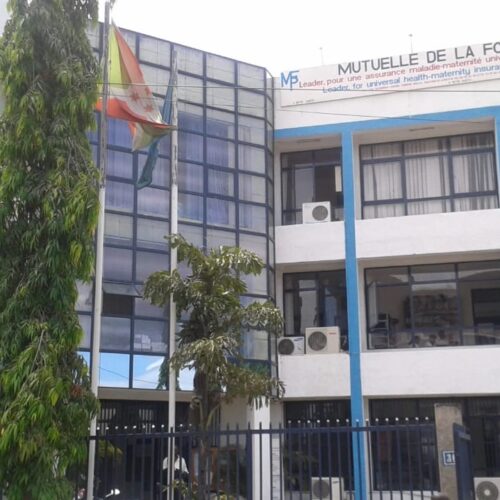
Public service mutual insurance : MPs denounce deemed deficient services
SOS Médias Burundi Bujumbura, January 11, 2026 – The difficulties faced by members of the Public Service Mutual Insurance (MFP), particularly retirees, in accessing medication were strongly denounced by MPs

Burundi: angalau 25% ya wandishi wa habari walipewa kadi
Baraza la CNC (baraza la uandishi wa habari) siku ya ijumaa ilizindua rasmi shughuli ya kutoa kadi mpya ya uandishi wa habari. Ni idadi ndogo ya wandishi walioweza kupata kadi


Bujumbura : a scandal at the King Khaled University Hospital maternity ward after two newborns are switched
SOS Médias Burundi Bujumbura, October 30, 2025 – A tragic incident occurred on Tuesday, October 28, at the King Khaled Hospital in Bujumbura, the commercial capital of Burundi. Two women