
Burundi : an open letter urges Burundi not to extradite Babunga Benjamin Watuna to the DRC
SOS Médias Burundi
Bujumbura, May 31, 2026 – Citizens, intellectuals, humanitarian actors, and human rights defenders from the Great Lakes region have addressed an open letter to Burundian President Évariste Ndayishimiye, who also serves as the current Chairperson of the African Union, urging him to oppose any potential extradition of Congolese national Babunga Benjamin Watuna to the Democratic Republic of Congo (DRC).
In this letter, dated May 29, 2026, in Brussels, the signatories state that they are following with concern the arrest of Babunga Benjamin Watuna in Bujumbura, Burundi’s commercial capital and home to UN agencies and the country’s central administration, by Burundian intelligence services.
They describe the individual in question as a researcher, analyst, and specialist in the history of Greater Kivu whose work and public stances have allegedly earned him the hostility of the Congolese authorities.
According to the authors of the letter, Kinshasa’s extradition request is not solely a matter of legal procedure. They believe it is part of a broader context marked by restrictions on freedom of expression and the persecution of critical voices within the DRC.
The signatories consider that the extradition of Babunga Benjamin Watuna would constitute a violation of his fundamental rights and could expose him to prosecution motivated by political rather than strictly legal considerations.
An appeal addressed to the Burundian president and the African Union
The authors of the letter call on the Burundian authorities to reject any request to transfer the Congolese researcher to his country of origin. They argue that Burundi should not be used as a platform for prosecuting individuals targeted for their opinions, analyses, or positions on the conflicts plaguing the Great Lakes region.
Addressing Évariste Ndayishimiye in his dual capacity as the current Chairperson of the African Union, the signatories urge him to uphold the principles enshrined in the African Charter on Human and Peoples’ Rights and other international human rights instruments.
The letter concludes with a call for the immediate and unconditional release of Babunga Benjamin Watuna. The signatories state that they are acting on behalf of citizens, intellectuals, and other key figures in the Great Lakes region. The document is signed by Victor Tesongo, described as a human rights activist.
An arrest at the heart of regional security tensions
Babunga Benjamin Watuna was arrested on May 27 in Bujumbura by Burundian intelligence services. According to several concurring sources, this arrest was carried out at the request of Congolese authorities, who accuse him of alleged links with the Congo River Alliance (AFC) and the M23 rebel movement.
According to information gathered by SOS Médias Burundi, Congolese authorities also object to his posts on the social media platforms Facebook and X, where he regularly comments on political, historical, and security news in the Great Lakes region.
In several localities in eastern DRC, Babunga Benjamin Watuna is seen by his supporters as an independent analyst appreciated for the quality of his analyses on the historical and security dynamics of the region. His detractors, however, accuse him of ideological ties to Rwanda or the M23.
Before his arrest, he worked in the humanitarian sector and had collaborated with several international organizations, including AMI, ADRA, ZOA, Mercy Corps, Save the Children, CARE, and UNOPS.
Originally from the Democratic Republic of Congo, he completed part of his university studies in Burundi and lived for many years between Bujumbura and Uvira. According to sources close to his family, his wife and children currently reside in Belgium.
Strengthened security cooperation between Kinshasa and Gitega
This case comes amid strengthened security cooperation between the DRC and Burundi.
According to security sources in the DRC, several Congolese nationals suspected of having ties to the M23 rebel movement or collaborating with Rwanda have already been arrested in Burundi by Burundian intelligence services before being handed over to Congolese authorities.
According to these sources, some of them were subsequently transferred to various prisons in the Congolese capital, Kinshasa, as part of this bilateral security cooperation.
In 2025, Laurent Ruboneka, an employee at the Democratic Republic of Congo’s embassy in Burundi, was also arrested by Burundian intelligence services before being transferred to Kinshasa.
The arrest of Babunga Benjamin Watuna came a few days after the official visit to Bujumbura by the Congolese Deputy Prime Minister and Minister of Defense, Guy Kabombo Muadiamvita, amid persistent tensions in eastern DRC.
A regional conflict that remains active
Since August 2022, tens of thousands of Burundian soldiers have been deployed in eastern DRC alongside the Armed Forces of the Democratic Republic of Congo (FARDC) and allied groups engaged in operations against the M23.
The rebel movement, which became active again in late 2021, controls several strategic areas in North and South Kivu. It is now allied with the Congo River Alliance (AFC), led by Corneille Nangaa, former president of the DRC’s Independent National Electoral Commission (CENI).
Kinshasa regularly accuses Rwanda of supporting the M23, while Kigali rejects these accusations and maintains that the DRC and Burundi support the Democratic Forces for the Liberation of Rwanda (FDLR), a Rwandan Hutu armed group, some of whose members are accused of participating in the 1994 genocide against the Tutsis.
Despite denials from various parties, several UN expert reports have mentioned the presence of Rwandan soldiers alongside the M23 rebels in eastern Congo.
Following the M23’s withdrawal from the city of Uvira last January, and more recently from several localities in the Rusizi Plain, the Burundian army has deployed new troops toward South Kivu, crossing Lake Tanganyika.
The fighting continues to cause significant displacement of civilians to neighboring countries and areas considered safer, despite numerous diplomatic initiatives aimed at restoring stability in the Great Lakes region.
At the time of publication, no official reaction from the Burundian or Congolese authorities had yet been made public regarding the open letter calling for the non-extradition and release of Babunga Benjamin Watuna.
You might also like
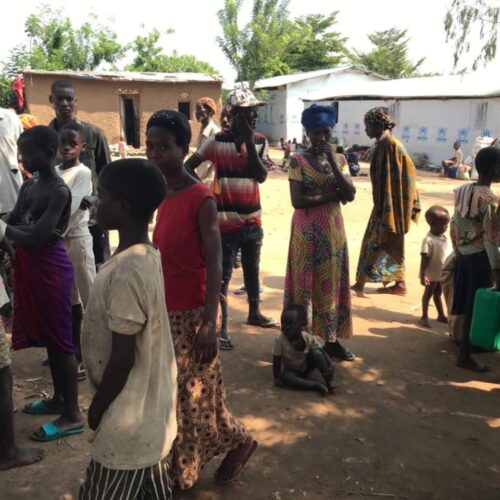
Burundi – Cibitoke : farmers evicted under pretext of links to the M23
SOS Médias Burundi Cibitoke, October 1, 2025 – Since September 21, more than a hundred farming families from the Kaboya and Mbaza sub-villages, Rukana village, in the Rugombo zone, Cibitoke
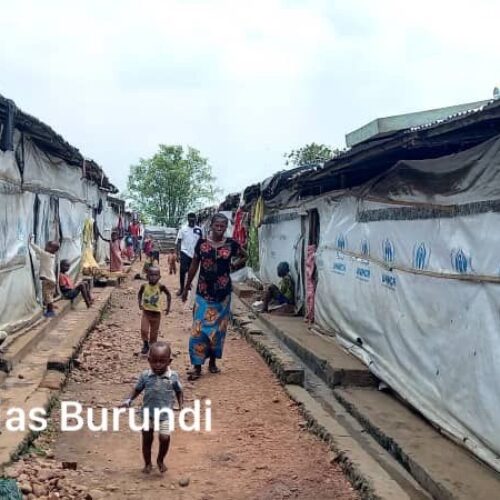
Burundi : Congolese refugees face movement restrictions during election period
SOS Médias Burundi Ruyigi, June 7, 2025 — In the Bwagiriza, Nyankanda, and Kavumu refugee camps, located in the provinces of Ruyigi and Cankuzo in eastern Burundi, Congolese refugees are
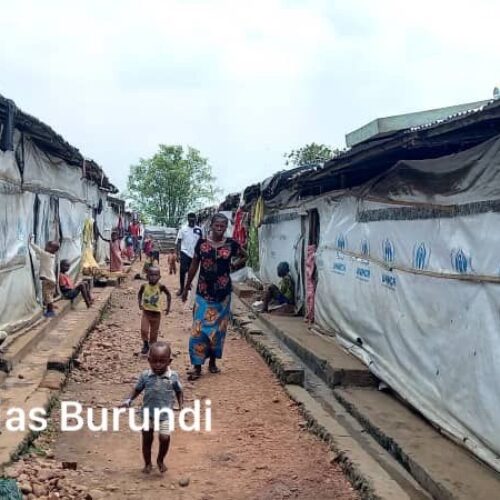

Cishemere : the repatriation announcement revives hope among thousands of Congolese refugees
INFO SOS Médias Burundi Cibitoke, May 18, 2026—Congolese refugees who have already been granted refugee status at the Cishemere transit center in Cibitoke district, Bujumbura province, western Burundi, will be