
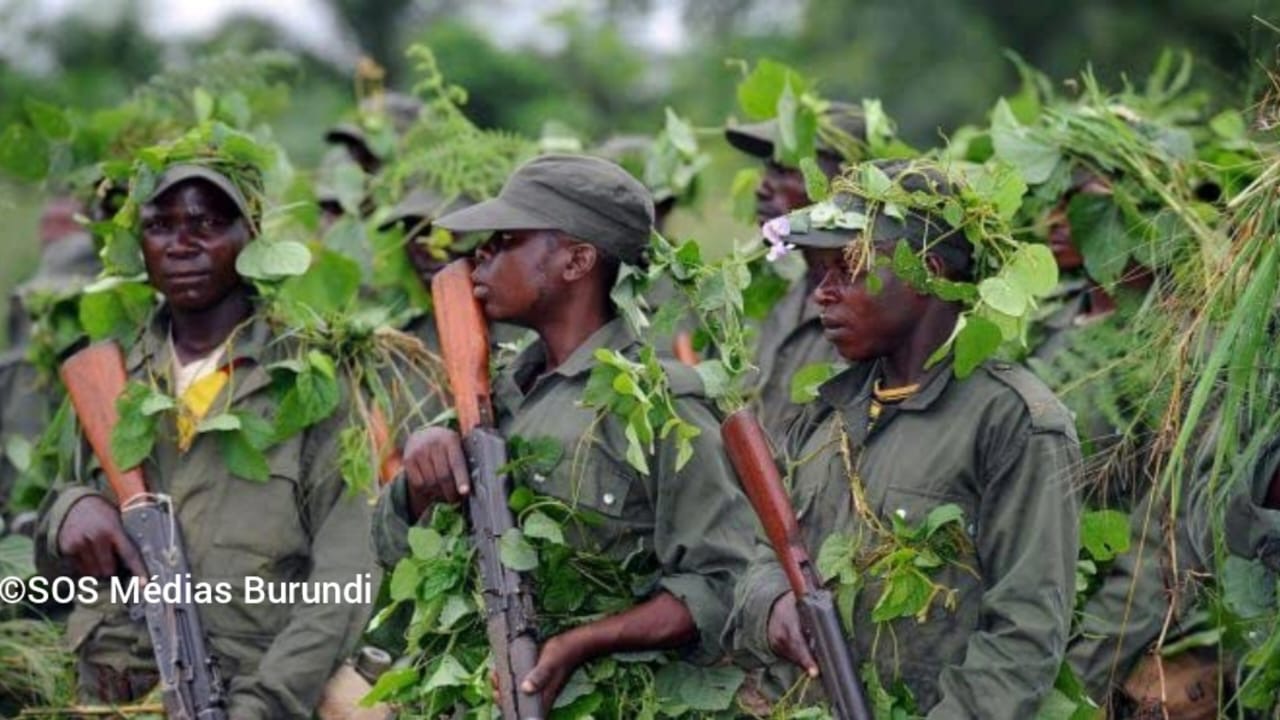
Massacre in Beni : ADF kills at least 17 civilians in less than 24 hours
SOS Médias Burundi
Goma, June 1, 2026 – A new series of attacks attributed to the Allied Democratic Forces (ADF) rebels has plunged the Beni territory in North Kivu province, eastern Democratic Republic of Congo, into mourning. Between the night of Saturday, May 30, and Sunday, May 31, 2026, at least 17 civilians were killed in several coordinated incursions along the Vemba-Katota and Vemba-Masulukwede axes, according to local sources and civil society actors.
The first attacks were reported Saturday evening in several villages located east of the Ngadi neighborhood, on the outskirts of the city of Beni. Armed men, identified by residents as ADF fighters, stormed homes before attacking civilians with knives and guns. The population described a night of terror marked by screams, fires, and the mass displacement of families.
According to witnesses, several residents were caught in their fields or on the roads as they tried to flee the violence. On Sunday morning, the first seven bodies were discovered along the Vemba-Katota road. The victims, mainly farmers and local residents, were reportedly executed during the incursion.
In the afternoon, four more bodies were found in a forested area along the Vemba-Masulukwede road, northeast of Mavivi. The search continued with the support of young volunteers and members of the local civil society, who still fear the presence of other victims in the surrounding bush.
These new discoveries bring the death toll to at least 17 in less than 24 hours in this part of the Beni territory. Several people remain missing, while others are believed to have been abducted by the attackers, a tactic regularly attributed to the ADF in the region.
A population once again in shock
In the affected villages, anger is rising against the security authorities. Residents denounce the repeated massacres despite the presence of the Armed Forces of the Democratic Republic of Congo (FARDC) and Ugandan troops deployed as part of the joint “Shujaa” operations, launched in late 2021 against the ADF.
“We had raised the alarm about suspicious rebel movements in the area, but nothing was done,” lamented a local leader, speaking on condition of anonymity. Several community actors believe that the protection of civilians remains insufficient in exposed rural areas.
For several weeks, attacks have been increasing around Beni, Lubero, and certain areas of Ituri, with the ADF taking advantage of the fragile security situation in eastern DRC to intensify their incursions.
An armed group with a heavy toll in eastern DRC
Originally, the ADF was a Ugandan rebel movement that emerged in the 1990s. Driven out of Uganda, they settled in the forests of eastern DRC, primarily in the territories of Beni and Irumu, where they gradually evolved into a particularly violent armed group.
Since 2019, the Allied Democratic Forces have pledged allegiance to the Islamic State in Central Africa (ISCAP), according to several international security reports, which has heightened concerns about their capacity to inflict harm.
The Allied Democratic Forces (ADF) are considered a terrorist organization and are on the official list of terrorist groups established by the United States.
Human rights organizations accuse them of war crimes and crimes against humanity, including massacres of civilians, kidnappings, and attacks on civilian infrastructure.
More than a decade of violence
Massacres attributed to the ADF have intensified since 2013 in the Beni region. According to several humanitarian and security reports, thousands of civilians have been killed over the past decade in North Kivu and Ituri.
Between 2014 and 2016, more than 700 civilians had already been killed in the Beni region alone. From 2013 to 2026, overall estimates suggest several thousand deaths, with some sources citing more than 6,000 civilians killed or missing, not counting the thousands of internally displaced persons.
Despite joint military operations between Kinshasa and Kampala, attacks against civilians continue, fueling a deep sense of abandonment among local populations.
Congolese government response
The government of the Democratic Republic of Congo condemned this latest massacre in the strongest possible terms. In a statement, the authorities expressed their condolences to the bereaved families and reaffirmed their commitment to continuing military operations against armed groups active in the east of the country.
Kinshasa reiterated that the Allied Democratic Forces (ADF) constitute a persistent terrorist threat, responsible for numerous atrocities against civilians, including massacres, kidnappings, and the destruction of infrastructure.
Despite joint operations conducted by the Congolese and Ugandan armies as part of Operation Shujaa, primarily in the Beni and Ituri regions, the attacks continue, illustrating the ongoing difficulties in completely neutralizing this armed group.
You might also like

Burundi : a triumphant and controversial return of Révérien Ndikuriyo to Makamba
After several weeks of absence due to health reasons, CNDD-FDD Secretary-General Révérien Ndikuriyo made a highly anticipated public appearance on Monday, March 24, in his native province of Makamba (southern
Gitega : behind the rhetoric, the persistent scandal of conflict minerals in Africa’s Great Lakes region
SOS Médias Burundi Gitega, April 21, 2026 – Gathered in Gitega, stakeholders in the mining sector in Africa’s Great Lakes region expressed their desire to move beyond conflict minerals. But


Burundi : intimidation, forced mobilization, and propaganda in Makamba : CNDD-FDD under fire
SOS Médias Burundi Makamba, May 27, 2025 – As Burundi’s legislative and elections elections approach, the campaign of the ruling CNDD-FDD party is raising serious concerns in Makamba province (southern