
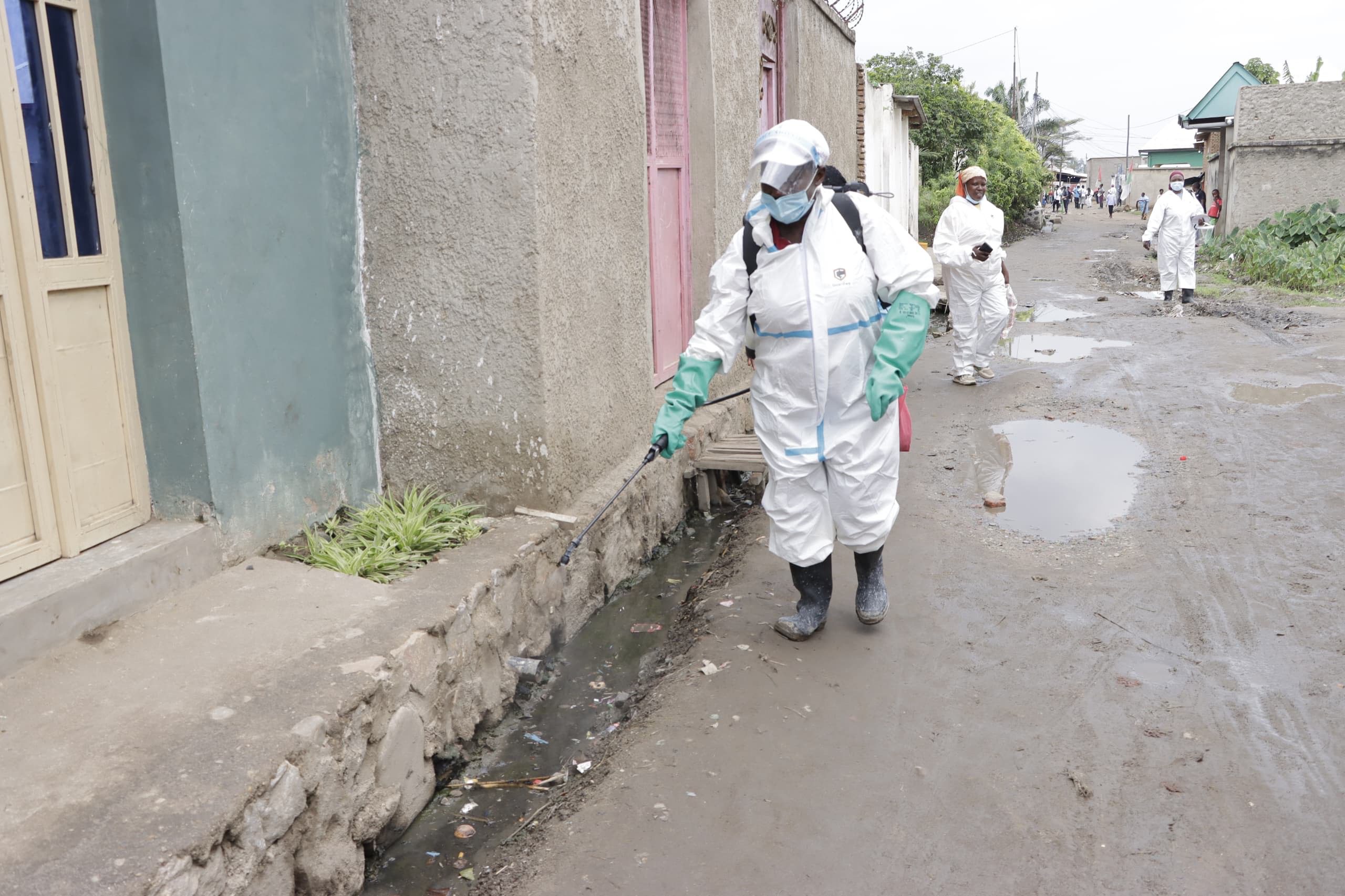
Dirty cities, litter, and lack of monitoring : the hgovernment puts pressure on local authorities
SOS Médias Burundi
Bujumbura, July 21, 2026—Faced with persistent hygiene and sanitation challenges, the Burundian government is taking a tougher stance against certain local administrative authorities accused of failing to adequately monitor cleanliness measures. Weekly inspections will be implemented to ensure compliance with directives.
The Council of Ministers, meeting on Friday, July 17, 2026, expressed its concern about the lack of involvement of some local administrative authorities in implementing hygiene and sanitation measures, within the framework of the African Union’s 2026 theme : “Ensuring sustainable availability of water and sanitation systems to achieve the goals of Agenda 2063.”
Adopted in 2015 by the African Union, Agenda 2063 is the long-term strategic development framework for the African continent. It aims to make Africa “an integrated, prosperous, and peaceful Africa,” with a particular focus on improving living conditions, sustainable development, good governance, peace, and security.
In the water and sanitation sector, this agenda aims to promote sustainable access to essential services, improve water resource management, and strengthen sanitation infrastructure to combat diseases related to poor hygiene.
Presenting the report from the Council of Ministers, the Secretary General and Government Spokesperson, Jérôme Niyonzima, announced that one day per week will now be dedicated to monitoring compliance with hygiene and sanitation measures.
He also called on companies responsible for household waste collection to improve their performance in order to contribute to the cleanliness of the country.
Local officials accused of lack of follow-up
According to Jérôme Niyonzima, the relevant ministries generally carried out their activities related to this campaign well. However, he deplored the insufficient involvement of district administrators, zone chiefs, neighborhood chiefs, and village chiefs in monitoring the implementation of the measures adopted.
The government spokesperson also indicated that some state services have not maintained the expected pace in hygiene and sanitation, particularly along major roads.
Weekly inspections and sanctions announced
The Council of Ministers recommends that local administrative officials strengthen the implementation of the order on hygiene and sanitation.
A weekly inspection day must be established and communicated to the public. This day must also allow for the application of the sanctions stipulated for those who do not comply with the measures in force.
Public services lagging behind in this area will need to be made aware of the need to quickly comply with cleanliness requirements.
Regarding household waste management, the government is asking the companies responsible for its collection to improve their organization, particularly by avoiding the conflicts of interest observed in some of them.
The challenge of the Rwandan model
The Burundian government’s stated commitment to cleaning up cities, urban centers, and main roads is reminiscent of the efforts undertaken by neighboring Rwanda in the area of public sanitation.
However, several challenges remain, including the condition of some road infrastructure, difficulties in local monitoring, and waste management.
While Rwanda is often cited as a regional example of urban cleanliness, Burundi will have to demonstrate its ability to translate its pronouncements into concrete actions on the ground.
“Will the Burundian government succeed in its goal of making the country as clean as Rwanda?” “Wait and see,” wonders an environmental and sanitation expert.
You might also like
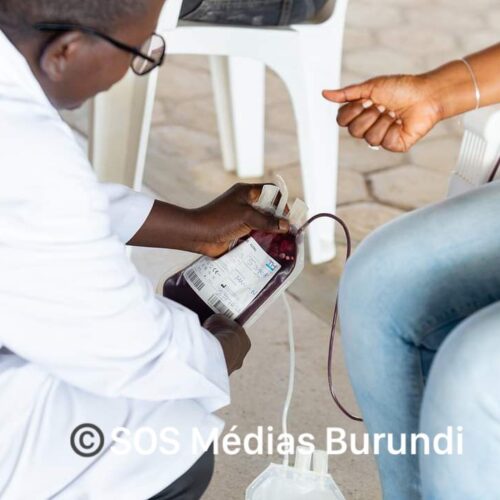
Burundi : blood is lacking at the regional blood transfusion center in the south
Health officials in the southern provinces of Burundi fear for patients lacking blood donations, including patients suffering from anemia. Health officials speak of a very alarming situation. INFO SOS Médias
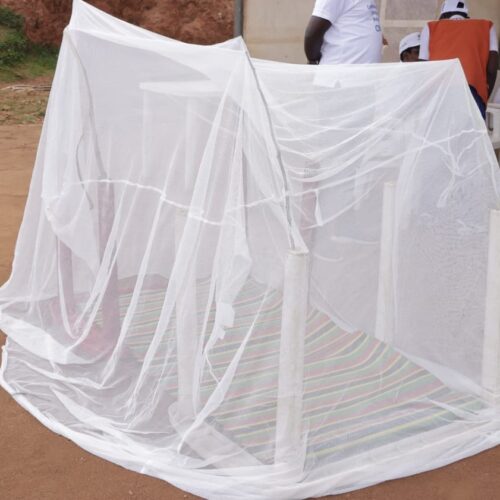
Burunga : a mosquito net shortage revives the malaria threat
SOS Médias Burundi Burunga, January 19, 2026 — In Burunga province, southern Burundi, many residents say they have not yet received the insecticide-treated mosquito nets promised by health authorities. This
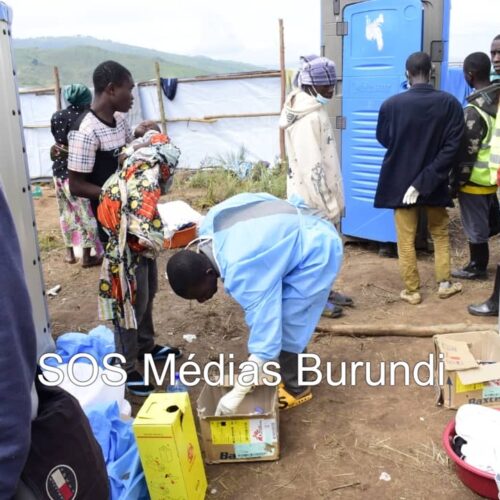

Buhumuza : cholera and overcrowding threaten Busuma refugee camp
SOS Médias Burundi Ruyigi, December 19, 2025 – The Busuma refugee camp, located on the hill of the same name in Ruyigi district, Buhumuza province (eastern Burundi), is facing a