
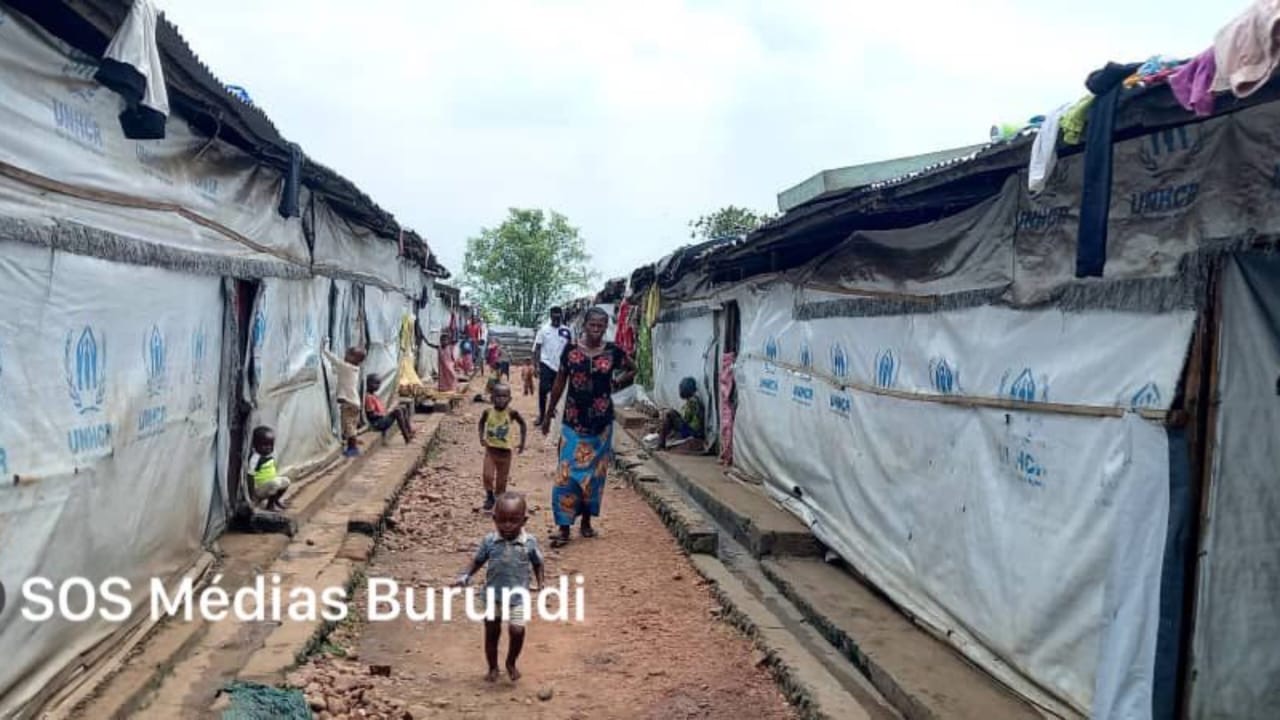
Cishemere : hunger drives Congolese asylum seekers to begging
SOS Médias Burundi
Cibitoke, July 27, 2026—The humanitarian situation of Congolese asylum seekers and refugees hosted at the Cishemere transit center, located in the Cibitoke border region of northwestern Burundi, is deteriorating daily. Faced with a severe food crisis, precarious living conditions, and long waits for their cases to be processed, many are now forced to beg to survive.
According to testimonies gathered from the center’s residents, women, girls, people with disabilities, and children leave Cishemere daily and travel to the neighborhoods of Cibitoke, Rugombo, Gasenyi, and other surrounding areas.
They go door-to-door searching for a little cassava flour, corn, money, or any other assistance that might allow them to feed their families.
Increasingly difficult living conditions
This situation is a consequence of the extremely difficult living conditions faced by the occupants of the transit center. In addition to the lack of food, many families live in makeshift shelters that offer little protection from the elements.
Some people even sleep under the open sky due to a lack of adequate accommodation. Access to healthcare also remains limited, further exposing vulnerable people to various diseases.
The Cishemere transit center currently hosts more than 4,000 people, including asylum seekers and refugees, some of whose cases have been reviewed or are subject to administrative measures related to their status.
Among them are also refugees who were previously registered in the Lusenda camp in the Democratic Republic of Congo before arriving in Burundi.
“Our children are crying from hunger”
For many families, hunger has become the main daily challenge. Food distributions are considered insufficient and, according to several refugees, are sometimes significantly delayed.
“We are suffering terribly. The food we receive is very insufficient and sometimes arrives very late. Large families are the most affected. Our children are crying from hunger, and we are forced to ask for help from local residents to survive. We are asking the ONPRA to expedite the processing of our cases so that we can quickly obtain the refugee status and rebuild a dignified life,” explains an asylum seeker, speaking on condition of anonymity.
Appeal for humanitarian aid
Faced with this crisis, refugees are appealing to the National Office for the Protection of Refugees and Stateless Persons (ONPRA), the Burundian authorities, the United Nations High Commissioner for Refugees (UNHCR), and humanitarian organizations.
They are demanding increased food assistance, improved living conditions, and better access to healthcare.
The asylum seekers are also requesting that their cases be expedited to end a wait that, they say, is exacerbating their vulnerability every day.
You might also like
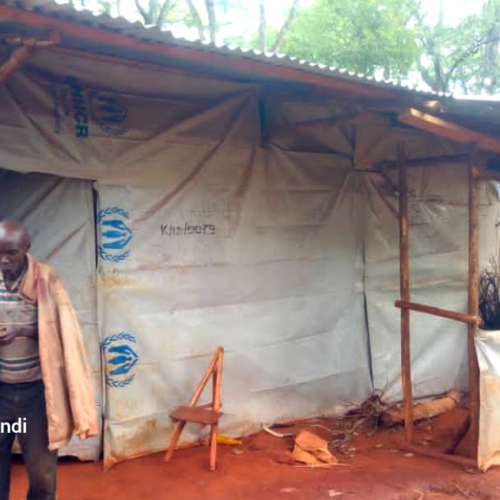
Photo of the week: Burundian refugees settled in Tanzania plead for a better year
In 2022, Burundian refugees settled in the Nyarugusu and Nduta camps say they have experienced several difficulties and been victims of several violations. They ask the UNHCR, Tanzanian authorities and
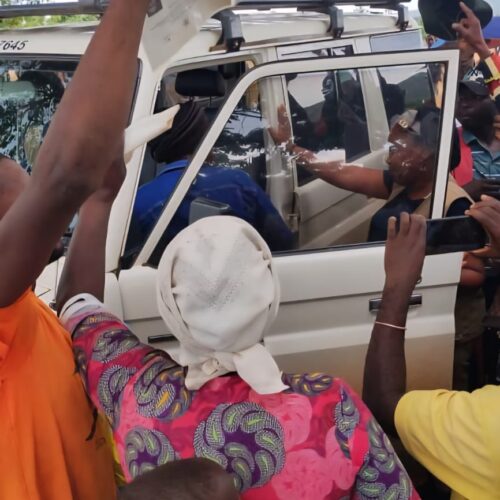
Returned but threatened : refugees accuse political and security networks of blocking land restitution
SOS Médias Burundi Makamba, May 31, 2026 – Behind the mass return of Burundian refugees from Tanzania lies a reality far more complex than the official rhetoric of “voluntary return”
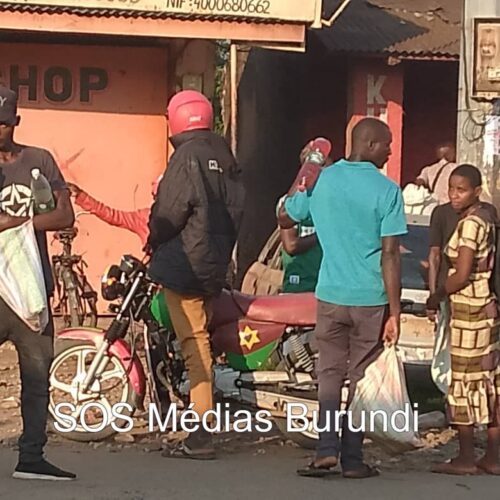

Photo of the week : soaring fuel prices in Bubanza and Mpanda paralyze transportation, insecurity in the DRC exacerbates the crisis
In Bubanza and Mpanda, in Bujumbura province in western Burundi, retail fuel prices have risen sharply since the capture of Uvira, in the DRC, located a few kilometers from Bujumbura,