Civilians turned into alleged combatants? The return of 39 Congolese reignites the FDLR case
SOS Médias Burundi
Goma, August 8, 2026 – The return of 39 Congolese to the Democratic Republic of Congo (DRC) after several months in Rwanda as part of the Disarmament, Demobilization, Reintegration, Repatriation and Resettlement (DDRRR) program of the UN Mission in the DRC (MONUSCO) has reignited the debate surrounding the Democratic Forces for the Liberation of Rwanda (FDLR), an issue that remains at the heart of tensions between Kinshasa and Kigali.
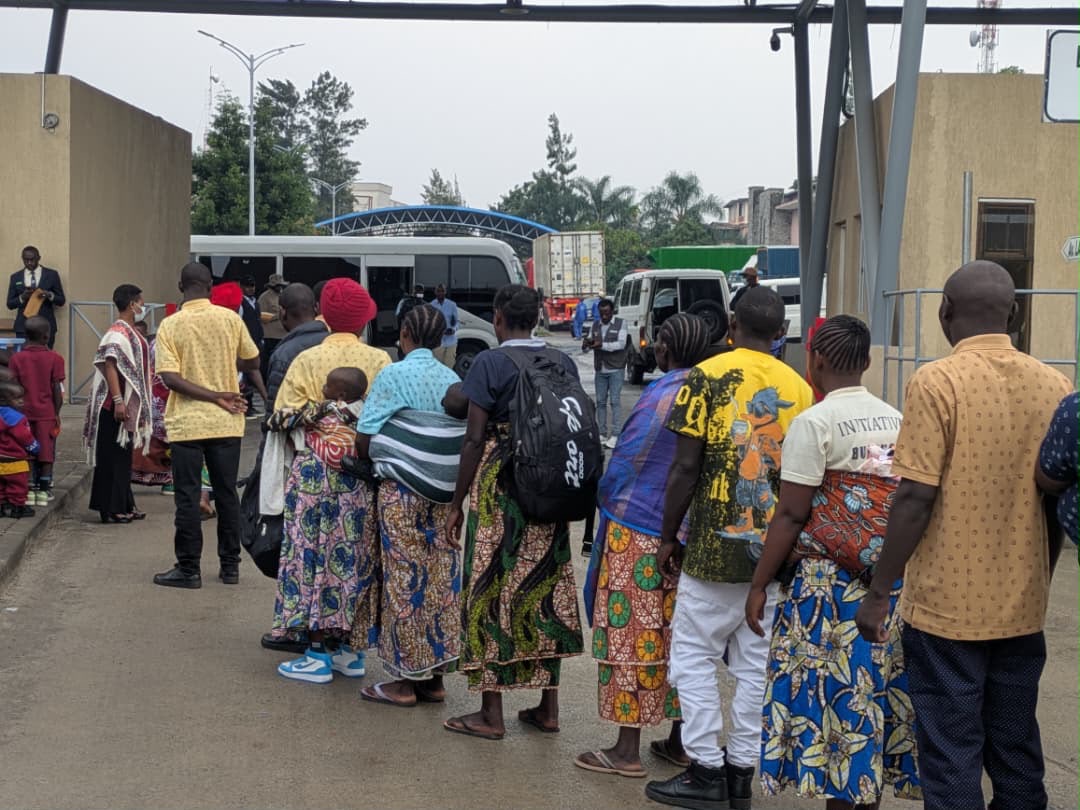
The 39 individuals returned to the DRC on Wednesday, July 29, through the Grande Barrière border crossing in Goma, the provincial capital of North Kivu, located just a few meters from the city of Gisenyi in western Rwanda. They were welcomed by the mayor of Goma, Désiré Ngabo Kisuba, before being directed to a support program designed to facilitate their reintegration into their communities of origin.
According to several local sources, the majority of these returnees are from the territories of Masisi and Rutshuru, in North Kivu province. They claim to have been transferred to Rwanda under the status of suspected FDLR combatants, while they present themselves as ordinary Congolese civilians.
A stay in Rwanda as part of the DDRRR program
According to testimonies gathered from some of the returnees, their transfer to Rwanda was part of the repatriation mechanism for individuals identified as belonging to the FDLR.
The MONUSCO DDRRR program stipulates that foreign combatants present in eastern DRC voluntarily lay down their arms before being repatriated to their country of origin. For several years, former Rwandan combatants have been transferred to Rwanda, notably to the Mutobo demobilization center.
According to information gathered, the 39 Congolese were also taken to this center. They claim to have stayed there for several weeks or months, during which identity checks, interrogations, and awareness sessions were allegedly conducted.
Several of them state that these procedures ultimately established that they were Congolese citizens and not Rwandan nationals, paving the way for their return to the DRC.
These accusations remain unverified.
Some of the returnees claim to have agreed to be registered as FDLR combatants after being persuaded by MONUSCO agents, with the alleged participation of Congolese officials, in exchange for financial compensation.
These accusations have not been independently verified. Neither MONUSCO nor the Congolese authorities have publicly responded to these statements.
In this sensitive case, the testimonies of the various parties require thorough verification.
Why was their return authorized?
The return of the 39 Congolese reportedly occurred after checks were carried out in Rwanda regarding their identity and nationality.
The Rwandan authorities apparently concluded that these individuals were not Rwandan citizens eligible to remain in the national demobilization program reserved for former FDLR combatants.
Their transfer to the DRC is thus an administrative step aimed at facilitating their care by the Congolese authorities and their reintegration into their communities.
The FDLR : an explosive issue between Kinshasa and Kigali
The Democratic Forces for the Liberation of Rwanda (FDLR) have remained one of the main sources of tension between the DRC and Rwanda for nearly three decades.
Created after the 1994 genocide against the Tutsis in Rwanda, the FDLR are partly composed of former members of the forces and groups involved in those events. Kigali considers the armed movement a persistent threat to its national security.
Rwanda regularly accuses Kinshasa of not sufficiently neutralizing the FDLR and claims that some of its fighters collaborate with the Armed Forces of the Democratic Republic of Congo (FARDC), the Congolese regular army.
Kigali also accuses certain regional actors, particularly Burundi, of protecting FDLR leaders.
These accusations are rejected by the Congolese authorities. President Félix Tshisekedi has always presented the FDLR as “a residual force reduced to banditry,” maintaining that they do not represent a major military threat to the Rwandan territory.
Kinshasa, however, acknowledges the presence of fighters linked to this movement in the east of the country and claims to be conducting operations against armed groups present in the provinces of North Kivu, South Kivu, and Ituri.
A return that goes beyond the fate of 39 people
Beyond their individual situations, the return of these 39 Congolese illustrates the complexity of repatriation mechanisms in a region where civilians, former combatants, and displaced persons sometimes find themselves at the center of delicate verification procedures.
It also serves as a reminder that the issue of the FDLR remains one of the main security and diplomatic challenges between Kinshasa and Kigali. The continued presence of this armed group in eastern DRC is fueling tensions between the two countries, while regional security discussions continue in the Great Lakes region.
You might also like
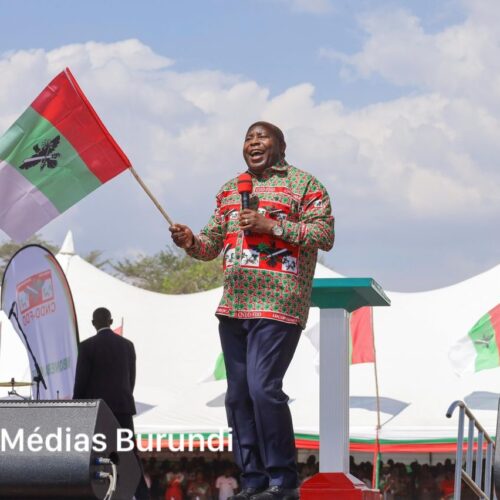
Photo of the week : we will not accept to die like the Congolese who are killed like goats, I have already warned Rwanda (Evariste Ndayishimiye)
Burundian President Évariste Ndayishimiye once again called Rwanda an “enemy of Burundi” on Tuesday and declared that he intended to mobilize Burundians from all provinces to go and fight on
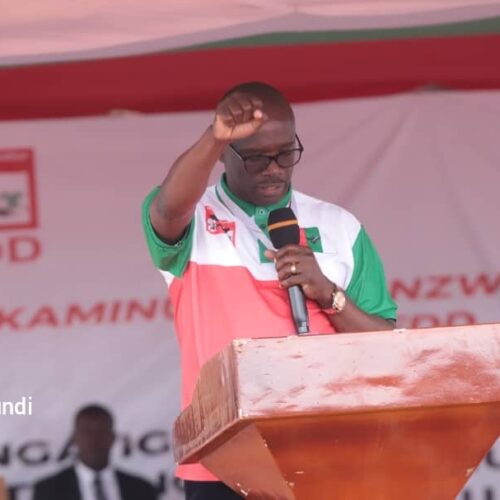
Burundi : a triumphant and controversial return of Révérien Ndikuriyo to Makamba
After several weeks of absence due to health reasons, CNDD-FDD Secretary-General Révérien Ndikuriyo made a highly anticipated public appearance on Monday, March 24, in his native province of Makamba (southern

Busuma : to survive the war to die in indifference
SOS Médias Burundi Ruyigi, March 2, 2026- A Congolese refugee was found dead a few kilometers from the Busuma camp, in the east of the small east African nation, on