
Burunga : Ebola threatens the border, authorities urged to act before the first case
SOS Médias Burundi
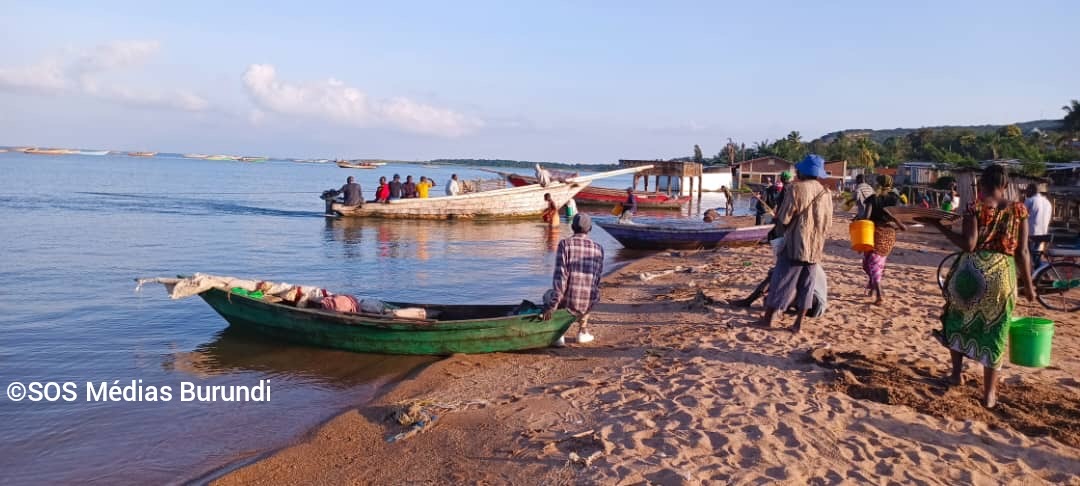
Burunga, August 14, 2026 — The reported spread of Ebola virus disease in the Democratic Republic of Congo (DRC) is causing concern in Burunga province. Health authorities are calling for stricter controls on travelers from the DRC, particularly those crossing Lake Tanganyika. In Nyanza, in Burunga province, southern Burundi, fishermen say they lack information and adequate health facilities for their travels between the two shores of the lake. Health professionals are also raising concerns about the inadequacy of the only treatment center identified in Mudubugu, which is considered too far from several areas deemed at risk.
A single center deemed insufficient to meet the risk
For health professionals in Burunga, one of the main concerns is the capacity of the system in place to handle potential cases of Ebola virus disease.
The only identified center in Mudubugu, in the neighboring province of Bujumbura, to receive potentially infected individuals is considered insufficient and relatively far from several high-risk areas, particularly border towns and communities along the shores of Lake Tanganyika.
Dr. Jérôme Niyongabo, head of the health department in Burunga province, believes this situation warrants special attention. According to him, if a case is suspected or confirmed in an area far from Mudubugu, transporting the patient to this center could face significant logistical and health-related challenges, especially due to the distance and transportation difficulties.
Health professionals are therefore advocating for additional resources and treatment facilities located closer to the affected areas. The goal is to reduce the time between the detection of a suspected case, its isolation, and its referral to an appropriate facility.
This concern is more critical given the frequent population movements between the DRC and Burundi, particularly across Lake Tanganyika.
Nyanza fishermen : a bulnerable link
In Nyanza, in the Burunga province of southern Burundi, fishermen say they have not been sufficiently informed about the risks of Ebola.
Yet, they are regularly in contact on the lake with fishermen from the DRC. Some even travel to fishing sites on the Congolese side before returning to Burundi.
They are calling for more awareness sessions, as well as the implementation of a system for health assessments upon their return.
For them, the goal is to prevent someone potentially exposed to the virus from going directly home and coming into contact with their family or other members of the community.
Water shortage complicates prevention
In addition to this vulnerability linked to cross-border movements, there is water shortage observed in some areas.
Lack of water is not, in itself, a mode of Ebola transmission. However, it can complicate some essential infection prevention and control measures, including hand hygiene, equipment cleaning and sanitary conditions in healthcare facilities.
In communities where access to water is already difficult, a potential epidemic alert could exacerbate the challenges faced by both the population and healthcare services.
Professionals emphasize the need to also anticipate the needs for water, protective equipment, transportation, and trained personnel.
Authorities urged to strengthen controls
Dr. Jérôme Niyongabo calls on police officials and the Burundi Revenue Authority (OBR) to strengthen controls on travelers arriving from the Democratic Republic of Congo, including at night.
According to him, some travelers arriving late may encounter difficulties having their documents checked and are sometimes forced to spend the night on boats.
Administrative authorities in border districts are also urged to increase public awareness and report individuals arriving from the DRC so they can be directed to appropriate healthcare facilities.
“Don’t wait for the first case”
For healthcare professionals, the challenge now is to anticipate rather than react after the first case appears.
Proximity to the DRC, lake movements, the distance from the Mudubugu center, lack of awareness, and difficulties accessing water in certain areas are all factors that, according to them, necessitate strengthened preventive measures.
In Nyanza, Rumonge, and other border areas, they are therefore calling for increased prevention efforts at the community level.
Because, for these professionals, a single center located far from the main areas considered at risk cannot, on its own, constitute a sufficient response to a potential introduction of the Ebola virus into Burundi.
You might also like
Bubanza : visa zaidi ya 140 vya Covid-19 vyapatikana katika gereza la mkoa
Zaidi ya wafungwa 140 walipatikana na virusi vya Covid-19 ndani ya gereza kuu la mkoa wa Bubanza (magharibi mwa Burundi). Wengi kati yao walipona baada ya kupokea huduma za matibabu.
Mugamba : a mysterious disease has already killed one person
A disease not yet identified caused the population to panic in the district of Mugamba in the province of Bururi in the south of Burundi. It has already made a

Musigati: residents fear famine
There is much fear among the population of the commune of Musigati over the looming famine in the region. The prices of basic food products have doubled or even triple.