
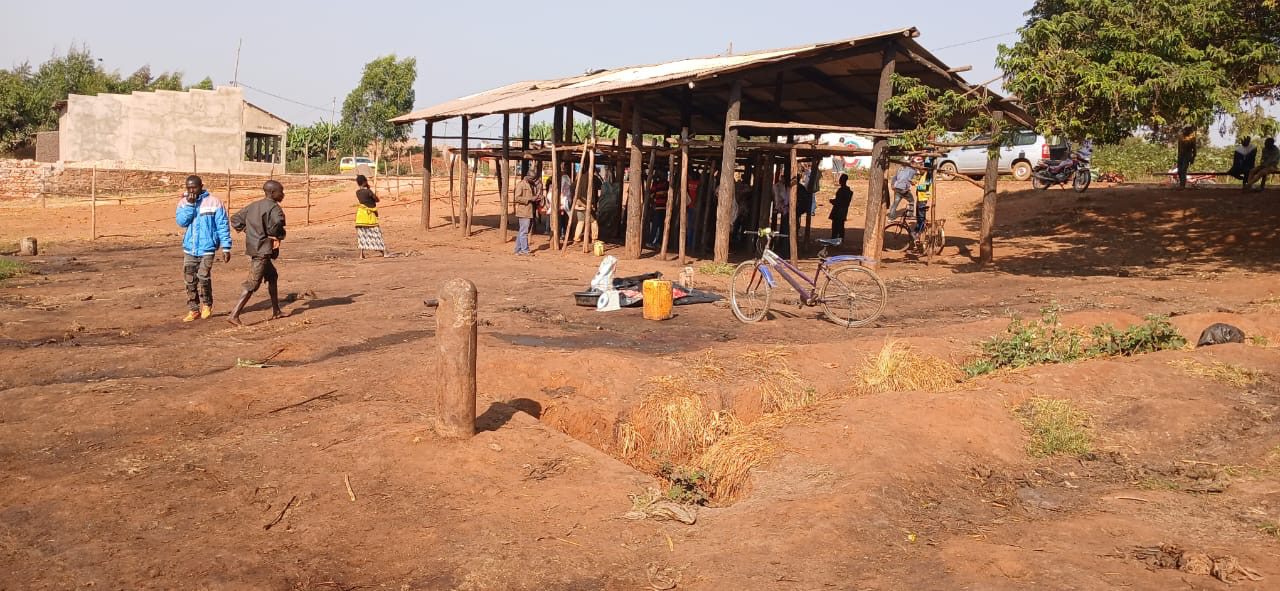
Bugendana : Bitare slaughterhouse lacks drinking water, hygiene at risk
SOS Médias Burundi
Bugendana, August 18, 2026—In Bugendana, in Gitega province, in the heart of the small East African nation, the Bitare slaughterhouse has been facing a critical shortage of drinking water for over a year. Butchers are denouncing the alarming hygiene conditions and demanding the construction of a modern slaughterhouse. The local council assures that a project is planned in Makaba.
At the Bitare slaughterhouse in Bugendana district, access to drinking water has become a major problem. For over a year, butchers and other users of this slaughterhouse have had to travel several kilometers to fetch water, often from streams whose quality is deemed unfit for consumption.
“We haven’t had drinking water for over a year. We have to rely on water from the Cogo stream, which is completely undrinkable, and is located about two kilometers away. For one cow, we use four 20-liter jerrycans. This also represents an additional burden for those who go to fetch this water,” laments Xavier Nahimana, 40 years old, a butcher from Kibungo village.
According to him, the situation is more worrying because the slaughterhouse doesn’t even have adequate sanitation facilities.
“Even worse, we don’t even have toilets. We’re afraid of catching diseases related to poor hygiene and dirty hands,” he adds.
A water supply that has become costly
The slaughterhouse users did have a solution. A tap connected to the local mosque’s water supply had been installed, but it quickly broke down.
“We were counting on a tap connected to the local mosque.” But this tap quickly broke down, immediately causing a major water supply problem. Sometimes, we draw water from the Gasenyi stream, located three kilometers from here. A twenty-liter jerrycan costs 1,000 Burundian francs,” explains Ezechiel Nshimirimana, 25 years old, a young butcher we met there.
This shortage is having a significant impact on the slaughterhouse’s operations.
“The lack of drinking water disrupts our work at the slaughterhouse and, in particular, causes delays in slaughtering the animals,” laments the young butcher.
Deplorable hygiene conditions
For Lucien Mvuyekure, representative of the butchers of Bitare, the problem goes far beyond the issue of water supply alone. He highlights the health risks and questions the resources allocated to maintaining the slaughterhouse, given that the activity generates revenue for the district.
“Hygiene remains deplorable due to the lack of drinking water. It’s an incomprehensible situation when you consider the taxes and fees our activities bring into the coffers of the Bugendana district” he laments.
He explains that for each cow slaughtered, the Bugendana district receives 40,000 Burundian francs, while the veterinarian receives 1,000 francs. For a goat, the district receives 15,000 francs, compared to 1,000 francs for the veterinarian.
According to the butchers’ representative, the slaughterhouse processes large volumes of livestock daily.
“We slaughter about fifty cows and one hundred goats a day. Some of the meat is sold in the cities of Gitega and Bujumbura, while the rest is sold locally in Bugendana,” he states.
Bujumbura, the country’s commercial capital and largest city, is located more than 100 kilometers from Bugendana. A portion of the meat from the Bitare slaughterhouse is therefore transported to this major consumer area.
Faced with these difficulties, butchers are demanding the construction of a modern slaughterhouse, equipped with a reliable drinking water supply and appropriate sanitation facilities.
The district announces a modern slaughterhouse project
When contacted about this situation, the administrator of the Bugendana district, Melchiade Ciza, confirmed that he was aware of the difficulties encountered at the Bitare slaughterhouse.
According to him, a solution is already being considered.
“A plot of land of four hectares has been made available in Makaba for the construction of a modern slaughterhouse,” the administrator stated.
Melchiade Ciza specifies that the project should be carried out within the framework of the Rural Entrepreneurship Development Program, with funding from the International Fund for Agricultural Development (IFAD).
While awaiting the implementation of this project, the butchers of Bitare continue to work in conditions they consider difficult, with limited access to drinking water and inadequate sanitation facilities.
For them, modernizing the slaughterhouse is now an urgent matter, both to improve working conditions and to strengthen hygiene and consumer safety.
You might also like
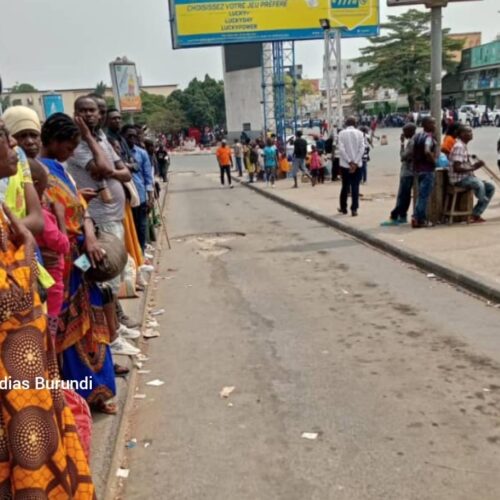
Fuel crisis : Burundians subjected to fanciful conditions
Burundians continue to face consequences of the fuel crisis that has been shaking this country for almost 47 months. Authorities of the small East African nation, who no longer have
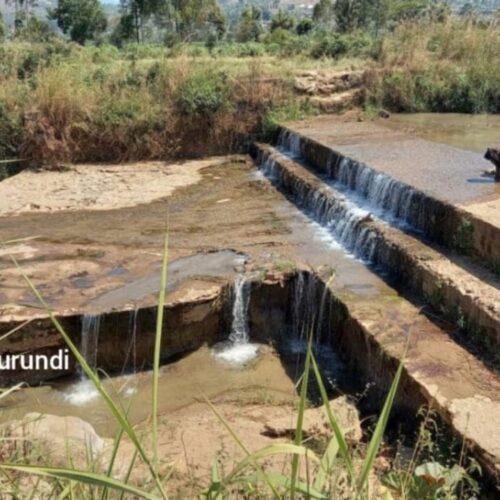
Persistent tensions on the border : the Malagarazi River is sweeping away the Burundian land, the Rutana court reacts firmly
SOS Médias Burundi Rutana, October 13, 2025 — As the Malagarazi River changes its course and sweeps away Burundian land to the benefit of Tanzania, border tensions are intensifying. The


Nyanza-Lac: the leadership crisis continues, residents are thirsty to see the situation settled
For months, the district of Nyanza-Lac in Makamba province (southern Burundi) has been experiencing a leadership crisis. Residents were hoping for a solution with a visit from the minister in