
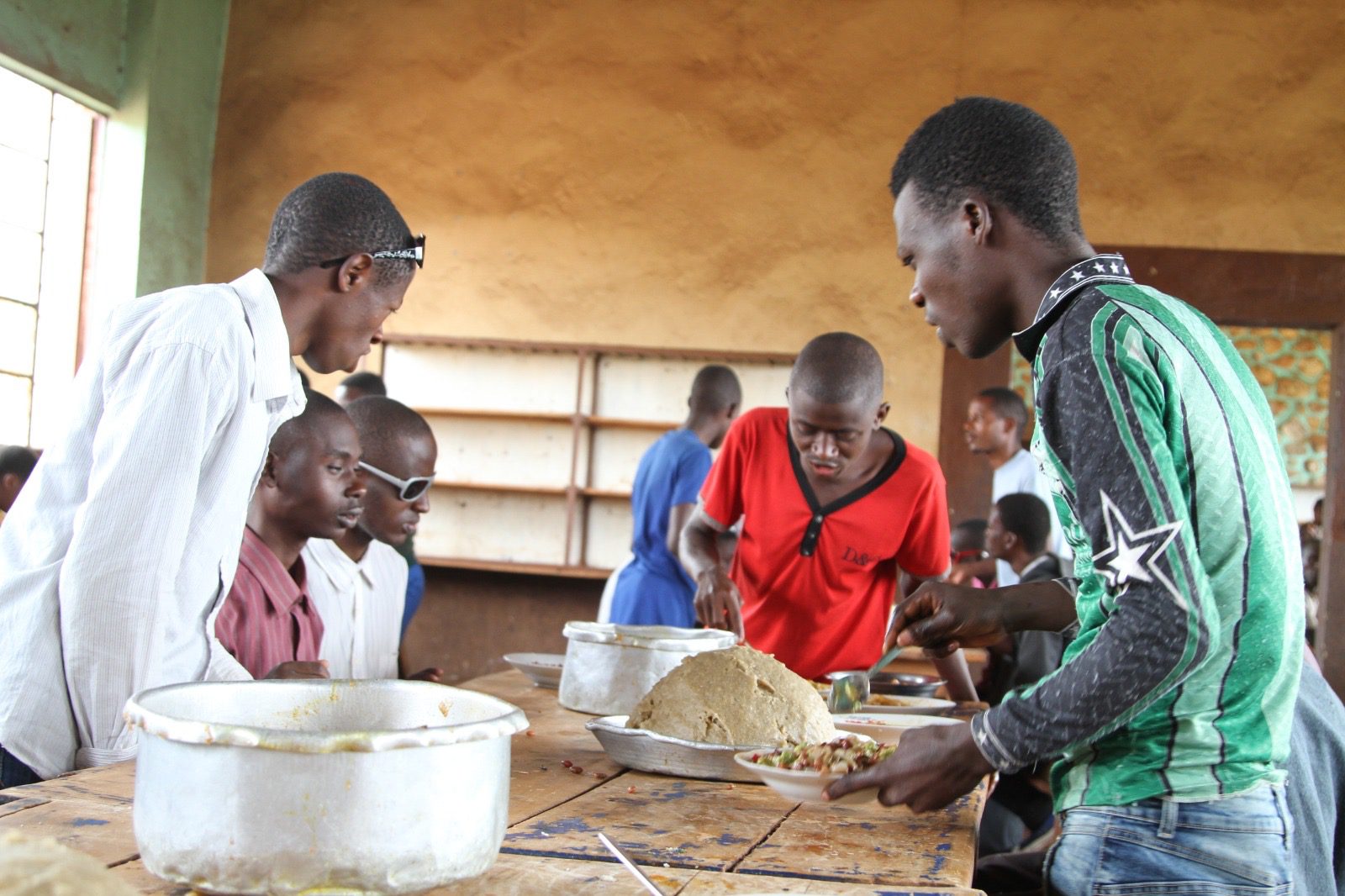
University of Burundi: 11 billion to get students back on the table after eight years of neglect
SOS Médias Burundi
Bujumbura, August 18, 2026—The Burundian government plans to relaunch, starting in 2September 2026, catering services for approximately 4,000 students at the University of Burundi. The program, suspended for several years, is intended to cover the campuses of Mutanga, Kamenge, Kiriri, Rohero, and Zege, wlocated in the cities of Bujumbura and Gitega, respectively the commercial and political capitals of the small East African nation.
The announcement was made Tuesday at a press conference held by the Chancellor of the University of Burundi, Prudence Bararunyeretse.
According to the Chancellor, the government has allocated more than 11 billion Burundian francs to provide meals for students. The exact number of qbeneficiaries may, however, depend on available budgetary resources.
Students left to their own devices since 2018
Since 2018, students at the University of Burundi have had to provide for their own housing and food. Some are zforced to live in various sneighborhoods of Bujumbura and its surrounding areas due to a lack of space in university hostels.
For many students from disadvantaged families, this situation represents a significant financial burden. The cost of housing, food, and transportation adds to their tuition expenses.
These living conditions also have repercussions on the academic progress of some students.
Living conditions affecting studies
For university authorities, the suspension of the food service has has had significant consequences on study conditions and, consequently, on the quality of education.
Chancellor 4Prudence Bararunyeretse acknowledges that the cessation of the food service has contributed to the decline in the quality of education at the University of Burundi.
According to him, improving students’ living conditions is essential for their academic success.
The government’s objective is therefore to allow the students concerned to dedicate more time to their studies, without constantly facing difficulties related to food and housing.
Infrastructure already prepared
Some preparations for resuming service are already underway. The University of Burundi has, in particular, renovated kitchens as well as some of the equipment and materials necessary for the operation of the restaurant.
The resumption of service should thus allow for the reactivation of infrastructure that has remained largely unused since the restaurant suspension.
The chancellor, however, calls on sthe government to go further, notably by gradually increasing the number of students who can be housed in university hostels.
WAccording to him, the University welcomes many young people from disadvantaged backgrounds who risk failing due to the difficult living conditions they face during their studies.
A return after eight years of suspension
The announced resumption comes nearly eight years after the university restaurant service was discontinued.
The suspension was decided as part of policies to reduce public spending, transferring a significant portion of the costs associated with university life to students and their families.
Since then, the issue of student living conditions has regularly resurfaced as a central concern regarding higher education in Burundi.
The reinstatement of student meals is now part of the reforms planned by the Ministry of National Education and Scientific Research.
The quality of education in question
The debate on student living conditions is taking place within a broader context of concerns about the quality of education in Burundi.
The gradual closure of several boarding schools at the secondary level had already contributed to shifting some of the responsibility for students onto their families.
At the University of Burundi, the authorities believe that improving food and housing conditions can help reduce the difficulties faced by students and wcreate a more favorable environment for their success.
With the announced 11 billion Burundian francs, the government aims to turn the page on several years of suspended university meal services.
It remains to be seen whether the announced resources will ensure the long-term provision of meals for the approximately 4,000 targeted students and, ultimately, extend the program to a larger number of students.
You might also like
Musasa : schools at a standstill, teachers abandoned, pupils left to their own devices
SOS Médias Burundi Kiremba, April 27, 2026 — At the Musasa refugee camp in Butanyerera province, northern Burundi, school activities have been severely disrupted after teachers decided to suspend classes.
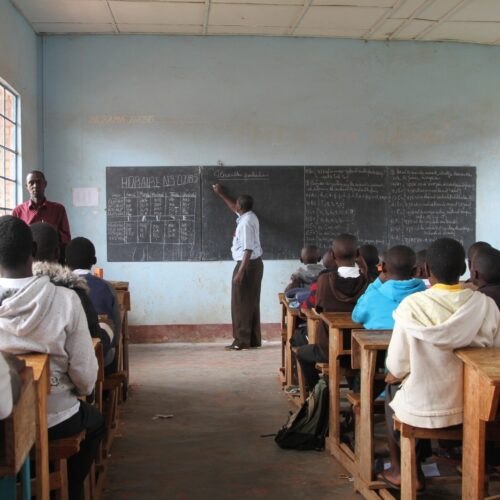
Burundi : the Minister of Education cancels all recent transfers on the eve of the start of the school year
SOS Médias Burundi Bujumbura, September 4, 2025 – The Minister of Education denounces illegal transfers and imposes an immediate return to their original schools, under penalty of salary suspension. The
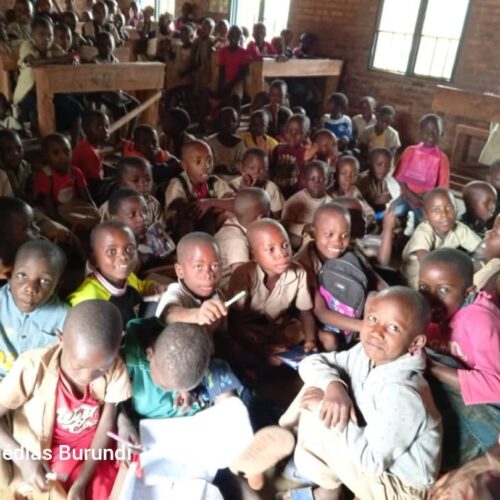

Cibitoke: more than 150 students in a classroom
Schoolchildren are sitting on the bare ground for lack of benches, desks and classrooms across the communal capitals of Rugombo, Mugina and Buganda, Cibitoke province (north-west Burundi). Parents request the