
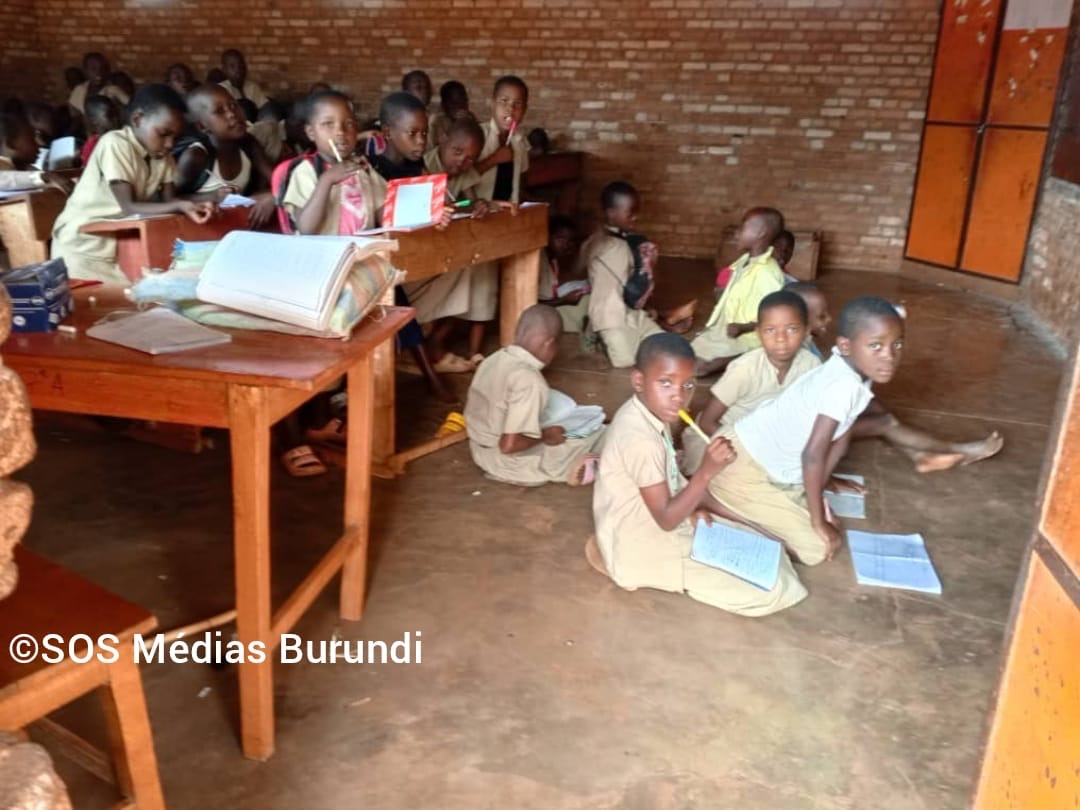
Burundi : years of failed reforms bring schools to their knees
SOS Médias Burundi
Bujumbura, February 12, 2026 – The Burundian education system is in deep crisis. For several years, civil society organizations, teachers’ unions, and opposition parties have been sounding the alarm about the sector’s deterioration, jeopardizing the future of the country, where nearly 70% of the population is young.
The latest warning was issued by leadership expert Vianney Ndayishimiye at a press conference held on Monday, January 9, in Bujumbura, the commercial capital. He called on the government to act immediately to implement sustainable solutions to restore the quality of education. According to him, the numerous complaints registered since the introduction of the new school system reveal a progressive decline in the quality of education, even though education is the foundation of the human capital essential for the country’s development.
Worrying indicators
Several performance indicators and testimonies from stakeholders in the sector confirm this worrying trend. The expert believes that the quality of learning is deteriorating at an alarming rate and emphasizes that the lack of institutional dialogue with teachers exacerbates the unease and jeopardizes the education system’s performance.
A call for independent evaluation
Vianney Ndayishimiye recommends the creation of an independent commission of experts tasked with conducting a rapid and objective evaluation of the education system. He also stresses the need to protect public investments, particularly boarding schools, which are currently underutilized due to declining enrollment.
Teacher discontent
The expert underscores the urgent need to restore trust with teachers, who face low salaries and a lack of teaching materials. Many teachers, both primary and secondary, are leaving their posts to seek better-paying jobs abroad, particularly in the United Arab Emirates and several African countries, including Kenya, Uganda, Zambia, Mozambique, and South Africa.
Presidential criticism on the eve of the CNDD-FDD congress
President Évariste Ndayishimiye also highlighted the shortcomings of the Ministry of National Education and Scientific Research. During a meeting with senior government officials on Saturday, January 24, in Gitega, the political capital, on the eve of the CNDD-FDD congress—the ruling party that brought Révérien Ndikuriyo to the head of the former Hutu rebellion for a second term—he criticized the prolonged lack of structural reforms in this key sector.
According to the Head of State, some officials are prioritizing superficial measures motivated by the search for funding linked to textbook contracts and ad hoc committees tasked with developing curricula, rather than lasting reforms. “This issue has been raised repeatedly, notably with former Minister Gaspard Banyankimbona and again with the current Minister, during cabinet meetings. The responses received have mostly been evasive,” he added.
Call for ongoing dialogue
Experts and observers are calling for the establishment of a permanent framework for consultation between authorities and education stakeholders, in order to sustainably improve the quality of teaching and restore trust with teachers.
You might also like
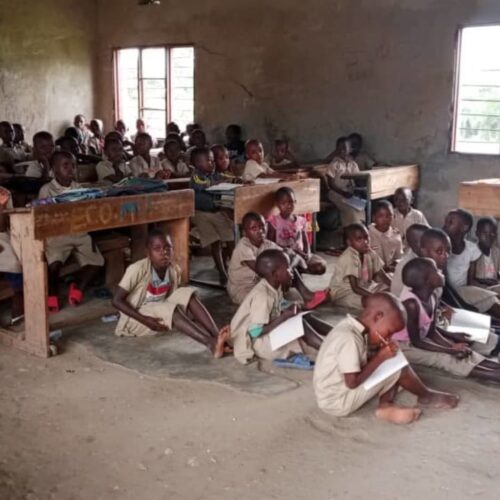
More than 4,500 desks missing in Burunga : pupils forced to share up to five per seat
SOS Médias Burundi, Burunga, September 26, 2025 – In the extended district of Burunga, in Burunga province in southern Burundi, more than 4,500 desks are missing, forcing up to five
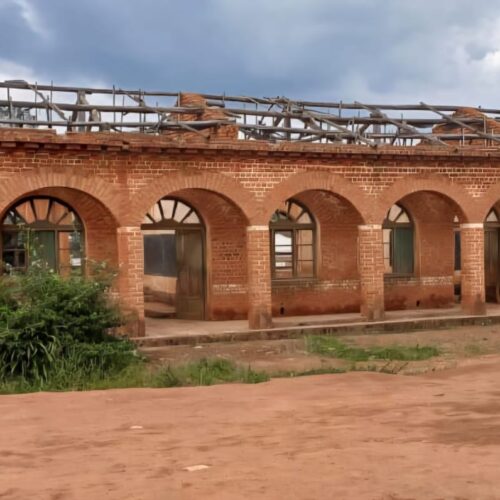
Gitega : more than two years after the storms, the Christ Roi primary school in Mushasha remains in ruins
SOS Médias Burundi Gitega, April 21, 2026 – In Gitega, the political capital of Burundi, the Christ Roi primary school in Mushasha remains in a state of advanced disrepair more

Kayanza : Gahombo youth face alarming sexual vagrancy
In the district of Gahombo, located in the province of Kayanza (northern Burundi), a worrying phenomenon of sexual vagrancy is taking hold among young people, leading to an increase in