
Ebola in the DRC : the virus gains ground, the response under pressure
SOS Médias Burundi
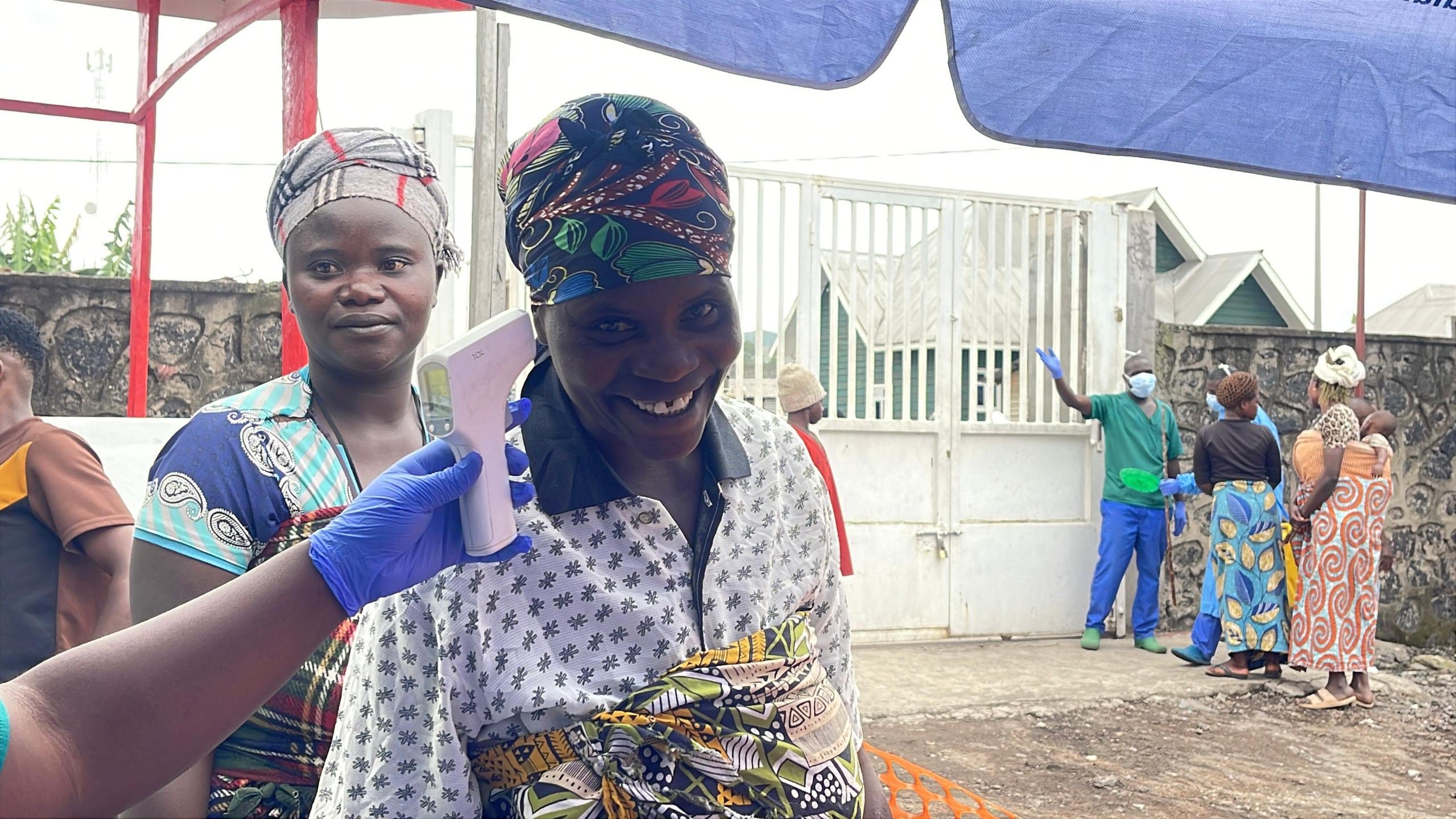
Goma, September 9, 2026—The Ebola epidemic continues to spread in the Democratic Republic of Congo. Originating in Ituri province, where the Bundibugyo strain was first identified, it now affects six provinces and dozens of health zones. Africa CDC and the World Health Organization (WHO) are calling for a strengthened response, as a lack of personnel, funding, and operational capacity complicates the fight against the virus.
The Ebola epidemic in the Democratic Republic of Congo remains particularly concerning. Despite the efforts deployed by Congolese authorities and their partners, the virus continues to gain ground.
Since the official declaration of the epidemic on May 15, the disease has spread considerably. While initially only one province and two health zones were affected, Ebola now encompasses six provinces and dozens of health zones.
According to data available at the beginning of September, more than 6,700 confirmed cases had been recorded, and the death toll has now surpassed 3,200.
For Jean Kaseya, Director General of the Africa Centres for Disease Control and Prevention (Africa CDC), the public health agency of the African Union, this expansion constitutes one of the main challenges of the response.
The more the virus reaches new areas, the more rapidly health authorities must deploy teams, logistical support, and financial resources to detect cases, trace contacts, and break the chains of transmission.
A different strain complicates detection
The progression of the epidemic is also linked to the specific characteristics of the strain currently circulating.
The DRC has already experienced several epidemics caused by the Zaire strain of the Ebola virus. This time, health authorities are facing the Bundibugyo Ebola virus, a different strain identified in Ituri province, in the northeast of the country.
The first outbreaks were reported in the Mongbwalu and Rwampara health zones in Ituri. According to the WHO, the epidemic likely began in the Mongbwalu health zone, a major mining and transit center, before cases were reported in other areas, including Rwampara and Bunia.
This strain poses an additional challenge for health authorities. The WHO notes that there is currently no licensed vaccine or specific approved treatment for the Bundibugyo virus, although early intervention and supportive care can improve the chances of survival.
The situation now requires health teams to intervene simultaneously in the affected areas and to strengthen surveillance in the provinces that have not yet been affected.
Population displacement, insecurity, and difficulties accessing certain areas are further complicating efforts to control the spread of the virus.
Significant staff and infrastructure needs
The geographic expansion of the epidemic is also increasing the need for medical infrastructure and personnel.
According to the WHO, several dozen treatment centers are currently operational, but available capacity remains insufficient to meet the scale of the needs.
The shortage of healthcare professionals is a major challenge. Thousands of additional staff are needed to strengthen treatment centers, epidemiological surveillance, contact tracing, laboratories, and infection prevention and control activities.
In some areas, insecurity also makes access for response teams particularly difficult.
Nearly one billion dollars pledged
On the financial front, however, Africa CDC is more optimistic.
Jean Kaseya states that the international community has responded favorably to calls for mobilization. According to him, partners have pledged nearly one billion dollars to support the Ebola response in the DRC.
Of these commitments, nearly 700 million dollars has already been identified by Africa CDC.
These resources are intended, in particular, to strengthen interventions on the ground, support health facilities, and assist organizations involved in the fight against the epidemic.
But mobilizing funds alone is not enough.
For Jean Kaseya, effective use of resources and targeting priority needs are essential. He is calling on Congolese authorities to improve coordination among various partners to avoid the fragmentation of resources.
The head of the Africa CDC believes the Congolese government must bring together the organizations involved in the response to clearly identify priorities and allocate resources based on the needs of the different affected areas.
WHO calls for an intensified response
The DRC and the Africa CDC are not fighting this battle alone. The World Health Organization (WHO) is also supporting the Congolese authorities.
On August 22, its Director-General, Tedros Adhanom Ghebreyesus, called for intensified efforts to bring the epidemic to an end.
The WHO is particularly concerned about declining operational capacity in certain areas, amidst funding difficulties and a shortage of specialized personnel.
Monitoring new cases, rapidly identifying contacts, and treating the sick remain central to the strategy aimed at breaking chains of transmission.
The challenge of containing a spreading epidemic
The virus’s spread to several provinces highlights the difficulty of containing this new Ebola outbreak.
Each newly affected area requires the mobilization of new teams, transport, treatment facilities, and resources for surveillance and prevention.
Authorities must also maintain community trust—a crucial factor in encouraging people to report symptoms quickly and cooperate with health teams.
As the virus continues to circulate, the urgent task is to slow its progression, strengthen medical capacity, and mobilize the necessary resources.
For Congolese authorities and their partners, the priority is clear : prevent the epidemic from spreading further and stop an already severe health crisis from escalating into something even worse.
You might also like
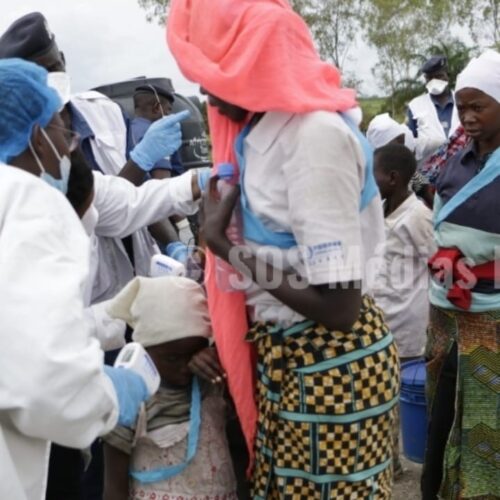
DRC : the Ebola epidemic reported in South Kivu, Africa CDC warns of a regional risk in ten African countries
SOS Médias Burundi Goma, May 25, 2026 — The Ebola epidemic continues its progress in eastern Democratic Republic of Congo, with an extension now confirmed to South Kivu in eastern
Burundi: sixty-six cholera cases already detected (ministry)
This Wednesday, authorities at the ministry in charge of health held a press briefing about the cholera epidemic. They say the disease identified in December 2022 north of the commercial

Muyinga: smoke from explosives used in gold mines causes fatal lung poisoning
Residents of Kamaramagambo hill in Butihinda commune, Muyinga province (north-eastern Burundi) say they are under threat of the smoke from explosives causing pulmonary poisoning as sounds of explosion disturb pregnant