
Nakivale (Uganda) : faced with the plight of refugees, the African Union makes a series of promises
SOS Médias Burundi
Nakivale, November 25, 2026 — The construction of a school, the resumption of food assistance, access to the labor market for qualified refugees, and the facilitation of travel documents : these are the key measures announced by the African Union (AU) for refugees in the Nakivale camp in Uganda. During a visit to the site on Sunday, November 22, 2026, a delegation from the organization—accompanied by the Ugandan Minister of State for Refugees—made numerous promises in response to a concerning humanitarian situation. However, within the refugee community, hope remains tempered by skepticism.
Among the commitments presented is the construction of a school within the camp. This initiative aims to improve learning conditions for refugee children and provide them with an environment better suited to continuing their education.
The delegation also announced its intention to advocate among international partners to mobilize funding for the resumption of food assistance, specifically for the most vulnerable refugees.
This announcement comes against a backdrop of persistent food insecurity. According to information attributed to the United Nations High Commissioner for Refugees (UNHCR), more than 75% of the refugees living in Nakivale no longer receive food assistance due to a lack of financial resources.
For his part, the representative of the Ugandan government emphasized the need to pay special attention to people with disabilities within assistance programs, underscoring the importance of protecting the most vulnerable groups. Qualified refugees could gain access to the labor market
Another commitment announced involves advocating for qualified refugees to access the Ugandan labor market, notably by facilitating the process of obtaining work permits.
The delegation expressed its intention to support this prospect, with a particular focus on refugees who possess professional qualifications in various fields.
If realized, this initiative could enable many refugees to put their skills to use, provide for their own needs, and reduce their reliance on humanitarian assistance.
Travel documents also a key focus of discussions
The challenges associated with obtaining travel documents were also addressed during the discussions.
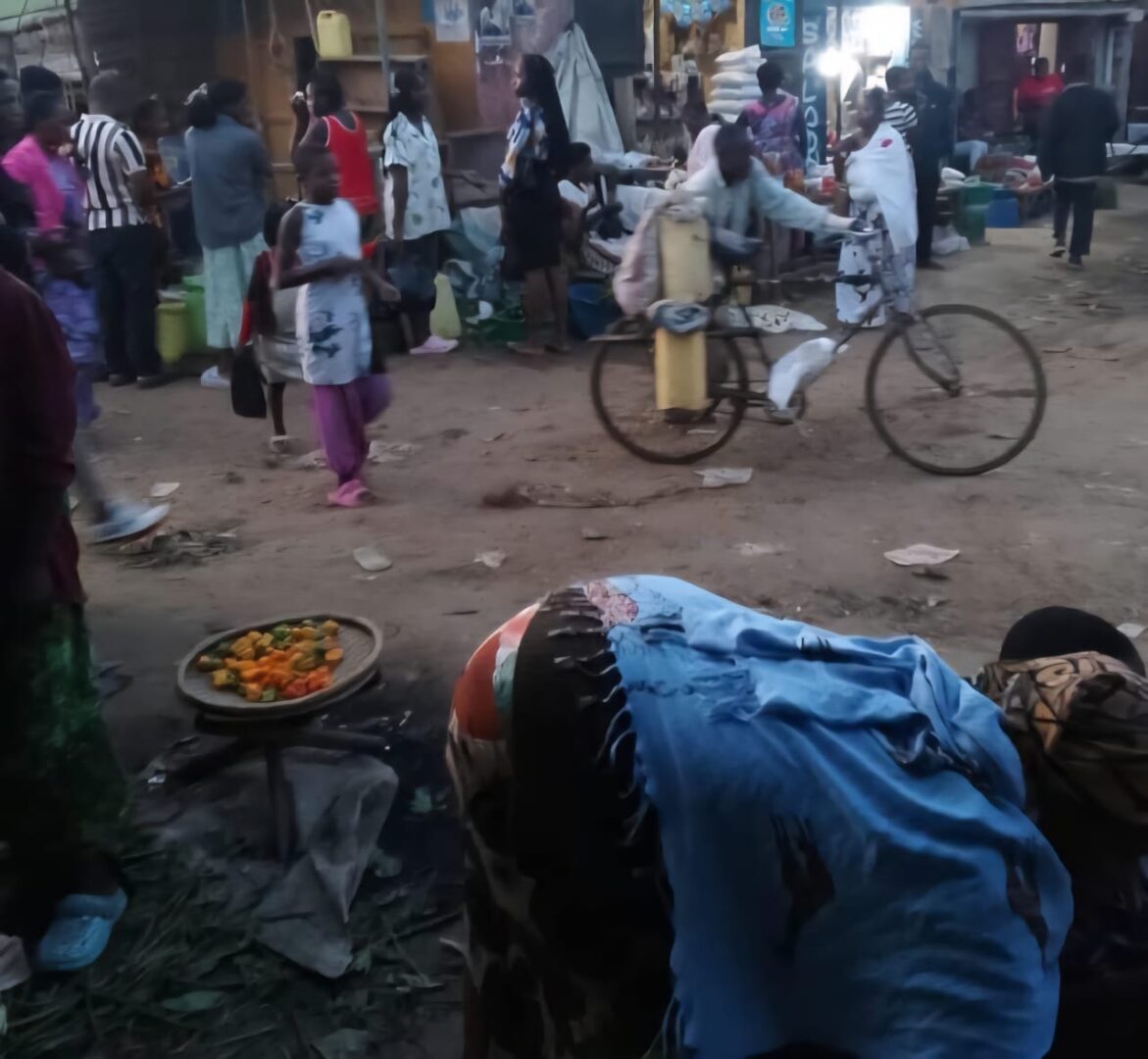
A busy street in the Nakivale camp, in southwestern Uganda, home to thousands of Burundian refugees—part of more than 150,000 refugees hosted at the camp (SOS Médias Burundi)
As the number of affected refugees grows, the procedures for securing these documents remain difficult. The AU delegation pledged to help find solutions, reiterating that the free movement of people—including refugees—must be upheld.
Burundian refugees reassured regarding their status
The situation of Burundian refugees was also discussed. Many have expressed concerns about their future in Uganda and the risk of forced return—a fear fueled by precedents in Tanzania, where the Nduta and Nyarugusu camps, which hosted Burundian refugees, were closed by Tanzanian authorities in coordination with the Burundian government. The latter has cited an improved security situation in Burundi as justification for the return of these refugees.
In response, representatives from the African Union and the Ugandan government sought to reassure the Burundian community, affirming that the status of asylum seekers and refugees living in Uganda would not be called into question.
The delegation also condemned the practices of certain countries that mistreat refugees from neighboring nations, though they did not specify which states were involved.
Between hope and skepticism
Despite these announcements, reactions within the refugee community remain mixed. While some welcome the commitments made, others prefer to wait for them to materialize before allowing themselves to hope again.
“We have always received good promises, but words are never followed by action,” some refugees lament.
This caution reflects a growing weariness after years of repeated promises, while daily hardships—such as access to food, education, and economic opportunities—persist.
Located in southwestern Uganda, the Nakivale settlement currently hosts more than 150,000 refugees of over a dozen nationalities, including more than 35,000 Burundians.
———-
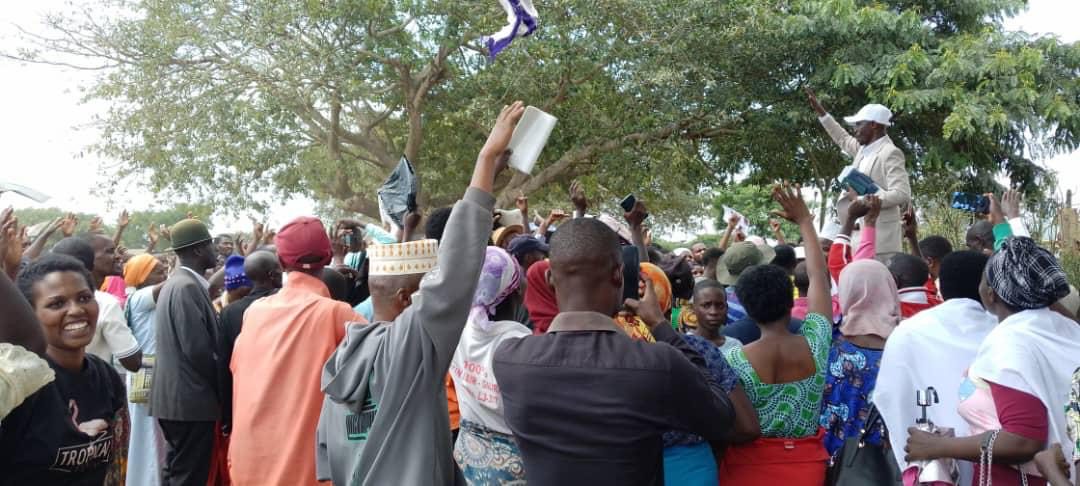
A man addresses refugees gathered at the Nakivale camp in Uganda, amidst precarious conditions and uncertainty regarding their future (SOS Médias Burundi)
You might also like
Mahama : the UNHCR wants to review its refugee assistance system
SOS Médias Burundi Mahama, May 15, 2026 – In Rwanda, humanitarian agencies and authorities responsible for refugee management have launched a comprehensive assessment of living conditions and the assistance system
Mahama (Rwanda) : drastic preventive measures against the Marburg pandemic
Several international organizations operating in the Mahama refugee camp have suspended their activities following the outbreak of the deadly Marburg virus in Rwanda. Refugees are urged to observe preventive measures

 : faced with the plight of refugees, the African Union makes a series of promises)
Dzaleka (Malawi) : a pregnant woman dies of medical negligence
She had confided in the camp hospital, which left her behind for her transfer, belatedly and without follow-up. Burundian and Congolese refugees demand that their living conditions be improved and