
Burundi: unions concerned about the rise in the price of basic necessities
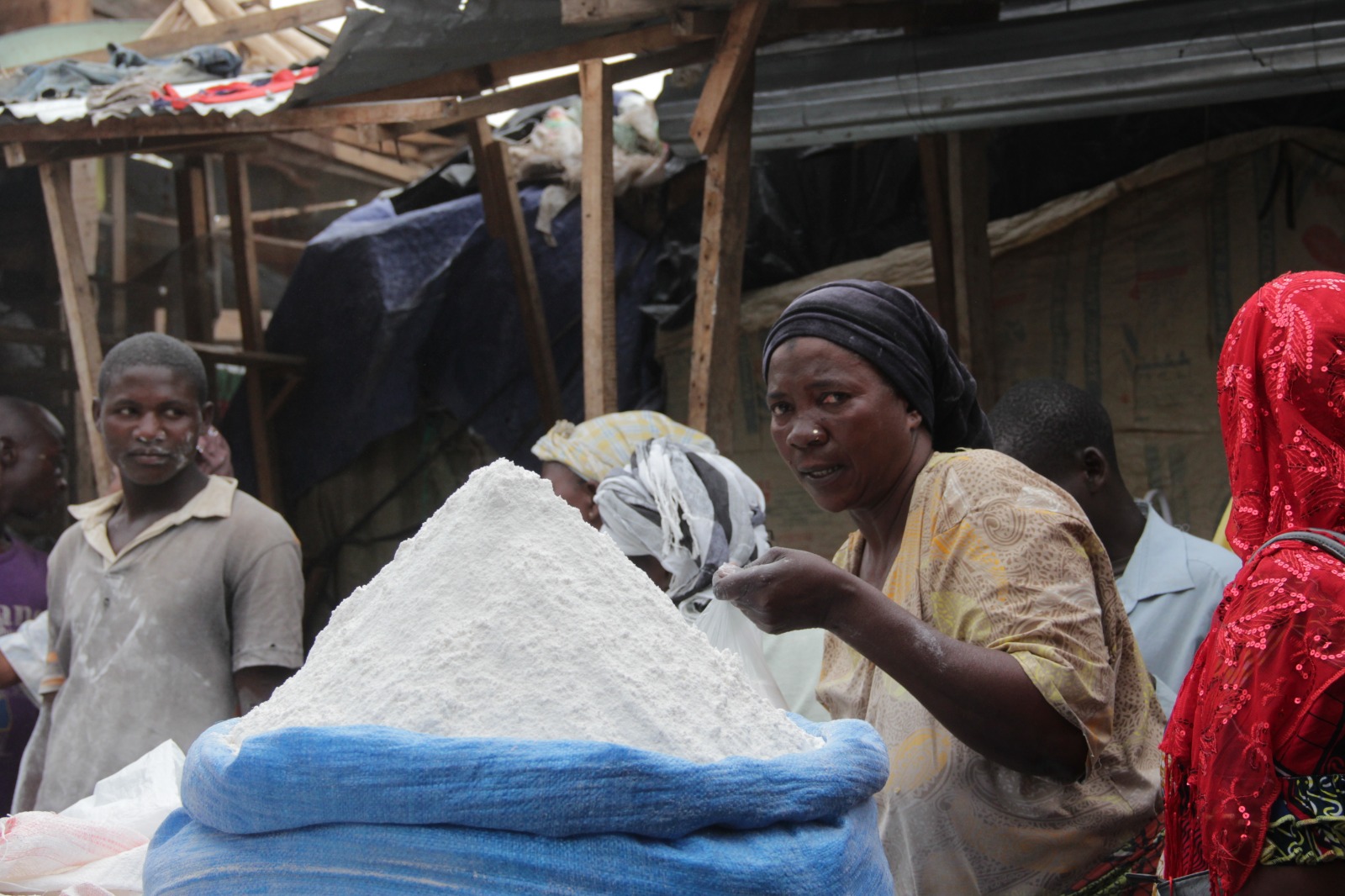
Confederations of Burundi Trade Unions Cosybu and CSB say they are concerned about the rising prices of basic necessities. This results in the deterioration of the purchasing power of civil servants, in particular, and of the population in general. The unions are urging the government to take measures aimed at stabilizing prices. INFO SOS Médias Burundi
In a statement, the unions Cosybu (Burundi Trade Union Confederation) and CSB (Burundi Trade Union Confederation) expressed their indignation at the exaggerated rise in prices of rice, beans, corn, fuel and Brarudi products (Burundi Brewery company).
The two confederations of Burundian workers’ unions indicate that the rise in the prices of basic necessities only “deteriorates the purchasing power of civil servants”.
They ask the government to get more involved to “curb the shock experienced by civil servants” by indexing salaries, taking into account the cost of living, accelerating the process of reviewing the increase in the guaranteed interprofessional minimum wage (smig) -as agreed with the country’s social partners. They also ask Burundian authorities to revise upwards the non-taxable portion of the professional tax on remuneration (I.P.R).
On the market, the less affluent families and middle class civil servants believe that it is “impossible to live on one’s salary alone”.
Paying rations, the rent, educating children, paying for health care and meeting other family needs become very difficult.
Impossible for the moment to buy rice. A kg varies between 3150 to 4000 Burundi francs, say middle class officials while it is one of the foods that must be found on the plate of most Burundians in cities and urban centers.
A kg of medium quality beans is worth 1800 to 2500 at the Cotebu market in Bujumbura (commercial capital).
In Rumonge (southwest), the economic situation is also untenable. A kg of beans of any variety varies between 2,200 to 2,600 whereas in the previous month it varied between 1,600 to 2,300 Burundi francs.
Rice is sold at around 3,500 francs per kg. A kg of maize is bought at 2000 while it was sold at 1600 Burundi francs last month.
Faced with this situation, the Cosybu and CSB unions are asking the government to take measures aimed at mitigating the rise in the price of basic necessities.
You might also like
Burundi : fertilizer shortages overwhelm farmers, the government under fire
SOS Médias Burundi Gitega, October 29, 2026 — The fertilizer shortage continues to plague Burundian farmers. Between insufficient quantities distributed, delayed reimbursements, and difficulties in recovering money already paid, many

Buganda : a fuel seller commits suicide after the seizure of his quantities by the police
André Ndayambaje, 35 years old, died on Thursday. This man from the locality of Nyamitanga in the district of Buganda in the province of Cibitoke (northwest Burundi) committed suicide after


Cibitoke: an agreement for a healthy distribution of Brarudi products sealed
In a meeting held Monday, June 10 in the capital of the Cibitoke province, northwest Burundi, on the shortage of products from the Burundi Brewery and Lemonaderies, administrators, traders and