Nduta (Tanzania) : the school year is off to a bad start
Three weeks after the start of the school year at the Nduta camp in Tanzania, pupils, schoolchildren and teachers have not yet received school and teaching materials. Refugees see this as another strategy to force them to repatriate.
INFO SOS Médias Burundi
In the Nduta camp, schools have two different NGO-supervisors, that is, the IRC (International Refugee Committee) in general and Save the Children-the latter provides support for the lower cycle. These are the two NGOs that are supposed to organize and supervise the education of refugee children.
A nuance that is not the least : the IRC is managed only by Tanzanians.
And, as a result, the lack of school and teaching materials is felt in six schools managed by the IRC.
Simple coincidence? “No”, answer Burundian refugees.
“No pupils’ notebooks, no teachers’ books, no chalk, … in these schools it is chaos”, worryingly say teachers.
The IRC explains that it has not yet had permission to import this material, which does not convince parents and teachers. This happens at a time when, on the Save the Children side, this problem is absolutely not posed.
“Why at Save the Children, did the children and pupils receive all the material? Where did this so-called permission come from?”, ask parents who find another explanation.
“Quite simply, they want to force us to go home! And they say it clearly, boasting that Tanzanians have a stranglehold on the IRC”, they suggest.
School change refused
When a pupil wants to leave an IRC school to go to a school under the supervision of Save the Children, the transfer becomes very complicated.
“Save the Children requires a certificate of attendance. So all the directors at IRC schools have received injunctions to no longer issue this document”, deplore teachers who are familiar with the matter.
“I was told that if I want my child to receive quality training, I must return home to Burundi where the country has planned everything to educate our children. So, I quickly understood that it is a well-prepared plan…”, testifies a Burundian refugee who has children in a school managed by the IRC.
A teacher at one of the four schools managed by Save the Children said that the NGO is supported by the US embassy and that there are monitoring missions to ensure that all funding reaches beneficiaries and is used properly.
“Tanzanians have no control over us and besides we are paid better than the others,” he said.
Another concern of parents is that hygiene conditions in schools managed by the IRC are poor. “The water is cut off, latrines are blocked, … we fear for the health of our children,” they said.
The parents’ committee met. It sent a memorandum to the education officials at Nduta camp but nothing has been done yet.
Teachers, parents and refugees in general are calling on the UNHCR “not to turn a blind eye to violations of refugees’ rights in all areas”.
Nduta is home to more than 58,000 Burundian refugees.
———
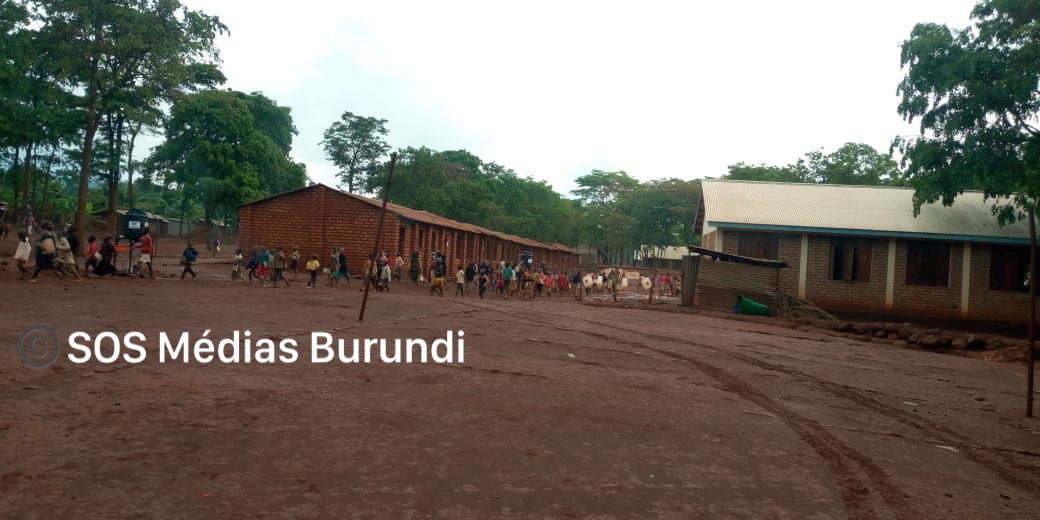
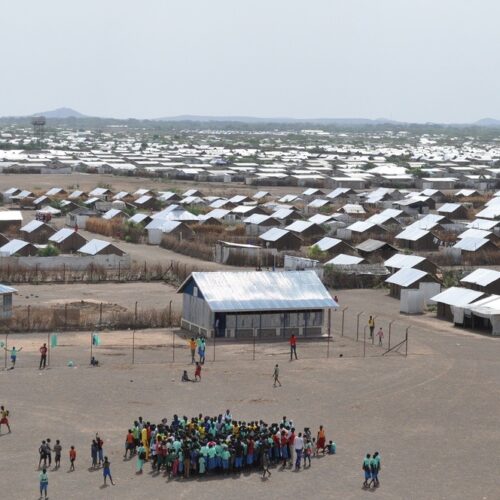
Pupils in a playground of a school for Burundian refugee children in Nduta (SOS Médias Burundi)
You might also like
Tanzania: Western and American diplomats visit Burundian refugee camps threatened with expulsion
Five European ambassadors including Japaneese and the american ambassadors in Tanzania, visited the Nyarugusu and Nduta camps located in the northwest of Tanzania early this week. The Burundian refugees urged
Meheba (Zambia): refugees ordered to return to the camps
Immigration services in Zambia have issued an ultimatum to all refugees in the capital Lusaka to return to their respective camps. Immigration announces a vast manhunt to enforce the decision.
 : the school year is off to a bad start)
Kakuma : malaria kills silently in a camp in distress
SOS Médias Burundi Kakuma, May 20, 2026 — Refugees in the Kakuma camp in northwestern Kenya are facing an alarming resurgence of malaria. The disease is spreading rapidly in the