Burundi : Congolese refugees face movement restrictions during election period
SOS Médias Burundi
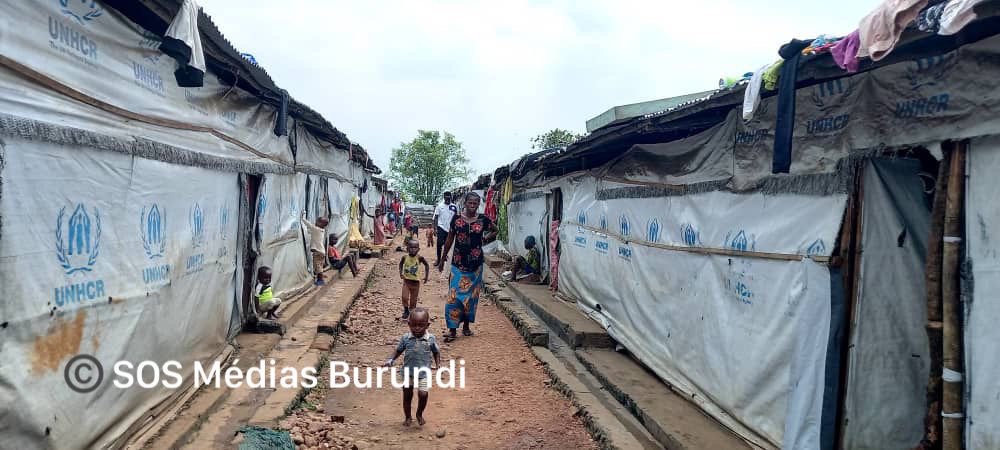
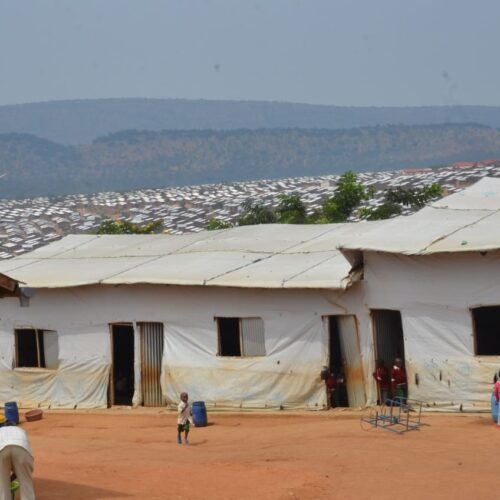
Ruyigi, June 7, 2025 — In the Bwagiriza, Nyankanda, and Kavumu refugee camps, located in the provinces of Ruyigi and Cankuzo in eastern Burundi, Congolese refugees are facing movement restrictions imposed by the camp administration during this election period.
These measures, officially justified by security concerns, force refugees to obtain authorization to leave the camps and travel to urban areas, particularly Bujumbura, the commercial capital, which greatly complicates their daily lives.
Jeanne, a refugee from Bwagiriza, says, “I was supposed to go to Bujumbura for urgent medical care, but the administration didn’t give me an exit permit. I’m still here in the camp, waiting for it to be delivered. It could put my health at risk.”
The same difficulty applies to Célestin, a refugee from the Nyankanda camp and trader : “I was supposed to go to Rumonge (southwest) to collect some goods I had left there, but I couldn’t get permission due to the election period.”
The elections in Burundi took place on Thursday, June 5, 2025.
But despite the end of voting, movement restrictions remain in effect, plunging refugees into a situation of uncertainty.
Many hope that Burundian authorities will quickly lift these measures to allow them to resume their normal life.
You might also like
Pollution of Lake Tanganyika : a silent ecological disaster looms on Burundi’s shores
SOS Médias Burundi Bujumbura, June 22, 2026 – The discharge of untreated wastewater, the uncontrolled exploitation of lakeside resources, and inadequate environmental protection mechanisms are increasingly threatening Lake Tanganyika, one
South Kivu : new alleged losses for the Burundian army raise renewed questions about its involvement in the DRC
SOS Médias Burundi Fizi, July 9, 2026 — As fighting intensifies once again in the highlands of South Kivu, local sources report drone strikes targeting reinforcements of the Burundi National

Dzaleka (Malawi) : three refugees die after torture sessions
They include two Burundians and a Rwandan. They had been arrested as part of the tracking of refugees in urban centers and detained in Maula Central Prison. Refugee leaders at