DRC : General Gasita’s rejection highlights anti-Tutsi climate in the east
SOS Médias Burundi
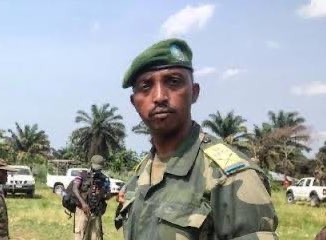
Bukavu, September 2, 2025 – The protests surrounding the appointment of General Olivier Gasita in Uvira reveal, once again, the worrying resurgence of ethnic tensions in the eastern Democratic Republic of Congo. Rejected by the Wazalendo militias and accused of being Tutsi, this high-ranking Congolese army officer finds himself at the center of hostility fueled by hate speech and suspicions of unsavory alliances.
His appointment as head of the 33rd military region, in a strategic area of South Kivu, has caused blockades on the roads leading to the Burundian border. The Wazalendo, local militias supported by Kinshasa, accuse the general of having links to Rwanda and of having contributed to the fall of Bukavu to the M23, a Tutsi rebel group that now controls several capitals in the east of the country.
Protected by a joint escort from the FARDC (Armed Forces of the Democratic Republic of Congo) and the FDNB (National Defense Force of Burundi), General Gasita finds himself at the center of a controversy that illustrates the growing ethnic rejection within the Congolese armed forces, while anti-Tutsi hatred is taking an increasingly violent turn in the Kivus.
Barricades and categorical refusal
Since taking office on September 1 as deputy commander of the 33rd military region in Uvira, General Gasita has faced open opposition. Members of the Wazalendo militia, supported by a section of the population, erected barricades on the strategic Mulongwe–Kavimvira axis, temporarily blocking access to the Burundian border.
These armed groups, supported by the authorities in Kinshasa, criticize the officer for his membership to the Banyamulenge community, a Congolese Tutsi minority regularly stigmatized in regional conflicts. They also accuse him of having “facilitated” the fall of Bukavu to the M23 earlier this year.
A heavy past and persistent accusations
A former head of operations and military intelligence in South Kivu and Maniema, General Gasita is far from unanimous, even within the Banyamulenge community. Some accuse him of playing a role in the death of Colonel Michel Makanika, killed by drone strike in February 2025. Makanika was the rebel leader of the Twirwaneho armed group, now allied with the M23 and composed mainly of members of this community.
In February 2025, Gasita escaped an assassination attempt by Wazalendo militiamen in the Rusizi Plain. He was forced to flee and take temporary refuge in Burundi before being recalled to Kisangani, then to Kinshasa.
Escorted by the FDNB and the FARDC
According to local sources, the general arrived in Uvira escorted by Burundian soldiers from the FDNB and FARDC elements, a sign that Kinshasa takes the threats to its security very seriously. Despite this protection, the protests persist. The Wazalendo accuse him of being a “Tutsi infiltrator” serving foreign interests—a rhetoric now common in the east.
A climate poisoned by hate speech
Since the resurgence of the M23 in late 2021, ethnic tensions in the east have escalated. Hate speech and anti-Tutsi sentiment have increased. Members of the security forces believed to be Tutsi, Banyamulenge, or Hema have been targeted. In some extreme cases, FARDC officers—a captain and a major—have been killed, burned, or even cannibalized by militiamen in the provinces of South and North Kivu.
President Félix Tshisekedi has repeatedly urged against generalizations, asserting that Rwandans are not the enemies of the Congolese, but rather of Paul Kagame’s regime. Despite this, these calls for appeasement are struggling to curb hatred on the ground.
Open war against the M23
The Wazalendo militias, supported by Kinshasa, are collaborating with the FARDC and the FDNB in the war against the M23, a Tutsi rebel movement accused by the authorities of benefiting from Rwandan support—an accusation Kigali systematically rejects.
Since the beginning of the year, the M23 has controlled the capitals of the two Kivus, as well as several strategic areas rich in minerals, increasing distrust of officers from communities perceived to be close to the movement.
Uvira, a strategic city in an explosive climate
The Gasita case in Uvira is therefore not a simple military episode. It is part of a broader dynamic of ethnic rejection, identity manipulation, and a regional conflict with far-reaching ramifications. In this context, the lines between the national army, armed groups, and security policy are becoming increasingly blurred.
Uvira is taking on growing strategic importance. Located a few kilometers from the Burundian commercial city of Bujumbura, it has become a refuge for several Congolese officials after the fall of Bukavu, further heightening tensions in this border town at the heart of regional issues.
You might also like
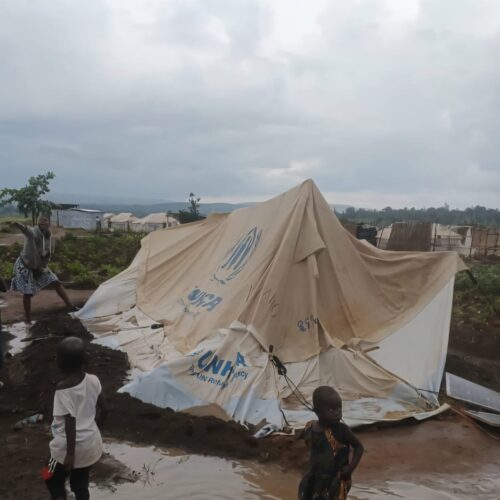
Burundi : Christmas in the storm, Congolese refugees hit by heavy rains in Musenyi
SOS Médias Burundi Musenyi, December 26, 2025 – Heavy rain accompanied by strong winds struck the Musenyi refugee camp in Musongati district, Burunga province, southern Burundi, on Thursday. This extreme
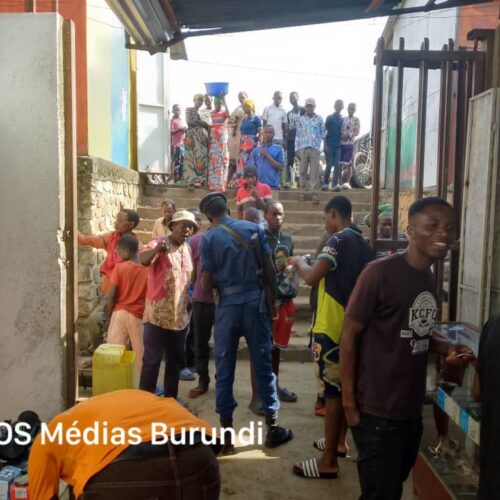
Legislative and district elections : when the colors of the power impose their power on shopkeepers
SOS Médias Burundi Bujumbura, May 14, 2025 – As the legislative and local elections approach in Burundi, signs of allegiance to the ruling party, the CNDD-FDD, are invading public and

Rumonge: a loincloth seller killed by police officers
Belyse Nimpagaritse died at dawn on October 15, 2024 at the Rumonge hospital (southwest Burundi). Suspected of illegally selling loincloths, she was beaten by PNB (Burundi National Police) officers before