
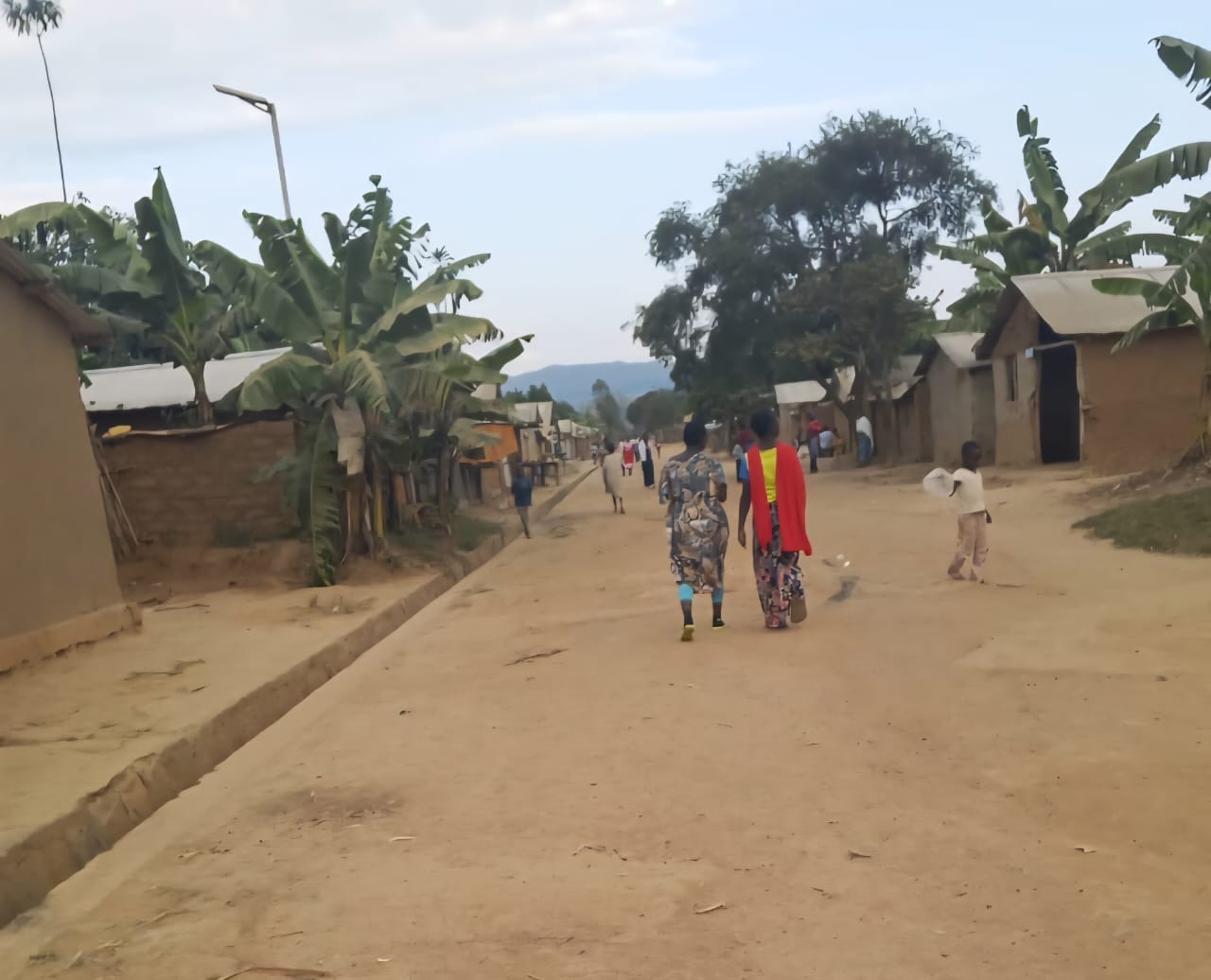
Nyankanda : the suspension of exit permits restricts the refugee mobility and economy
Nyankanda, January 13, 2026 – Since Wednesday, January 6, 2026, refugees in the Nyankanda camp, in Ruyigi district, Buhumuza province, eastern Burundi, have faced increased restrictions on their freedom of movement. The suspension of the issuance of exit permits – essential documents for temporarily leaving the camp – prevents many refugees from reaching urban centers and complicates access to healthcare, employment, and family visits.
This measure particularly affects those forced to travel for essential reasons : purchasing goods, accessing specialized healthcare, or visiting family. Without an exit permit, they risk arrest at roadside checkpoints.
According to the camp administration, this decision follows an instruction from the Burundian Ministry of the Interior.
“We have been informed that exit permits are no longer to be issued until further notice,” the camp administration stated.
In a press release published two weeks ago, the Ministry of the Interior reportedly ordered camp officials, including the National Office for the Protection of Refugees and Stateless Persons (ONPRA), to restrict movement outside the camps. Administrative and police authorities are also instructed to increase searches and raids, particularly in provinces bordering the DRC and Rwanda, and to rigorously check travel documents, passenger identification, and luggage in public areas.
The Imbonerakure, the youth wing of the CNDD-FDD, the ruling party, participates in border security alongside the army and in nighttime patrols in the villages and neighborhoods of the small east African nation, alongside the police.
In recent days, the commercial capital Bujumbura has seen an intensification of controls primarily targeting foreigners, particularly Congolese nationals. Those without proper documentation are reportedly being sent to transit centers or detained.
The effects of this measure are already being felt acutely within the camp. Cédric, a Congolese refugee who was supposed to travel to Bujumbura for a funeral, explains :
“I had planned to go to Bujumbura to mourn a family member. But without an exit ticket, I can’t leave. There are too many police checkpoints and Imbonerakure everywhere. Even when you’re released, it’s often only after paying fines. I preferred to stay in the camp for fear of being arrested.”
This restriction is also affecting the economic activities of the refugees, many of whom earn their living from work outside the camp.
A Congolese refugee who owns a cafeteria in Bujumbura, and who wished to remain anonymous, explained :
“I’ve been working in Bujumbura for several years. I came to spend the holidays with my family at the camp, but now I can’t go back to work. Without an exit permit, I’m stuck here, and my cafeteria is at risk of closing. My whole family’s survival is at stake.”
The Nyankanda camp hosts more than 12,000 Congolese refugees, many of whom depend on leaving the camp to meet their daily needs. According to several refugees, this restriction represents a significant step backward compared to previous practices. Until now, the law governing refugee status allowed them to move freely within the district where the camp is located, simply by presenting their refugee card, without needing an exit permit.
Now, this freedom is considerably curtailed : without an exit permit, refugees can only move within a five-kilometer radius of the camp, limiting their autonomy and means of subsistence.
You might also like
Kakuma : the UNHCR focuses on self-reliance to reduce the refugee dependency
SOS Médias Burundi Kakuma, February 2, 2026 – The United Nations High Commissioner for Refugees (UNHCR) has launched a program to financially empower refugees in the Kakuma camp and its
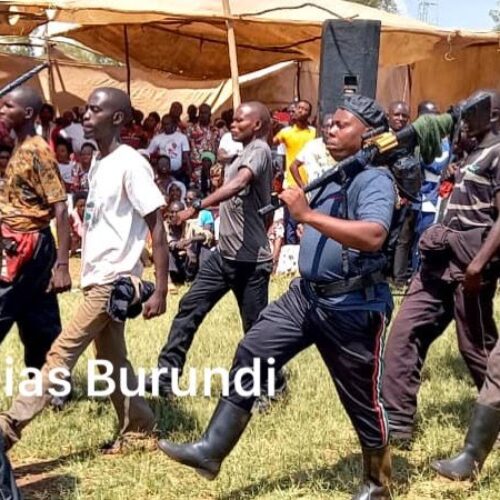
Cibitoke : distribution of weapons to the Imborenakure, the population in anguish
A wave of concern has engulfed inhabitants of the province of Cibitoke, in northwestern Burundi, due to the massive presence of young Imbonerakure armed and dressed in military uniforms. Observed
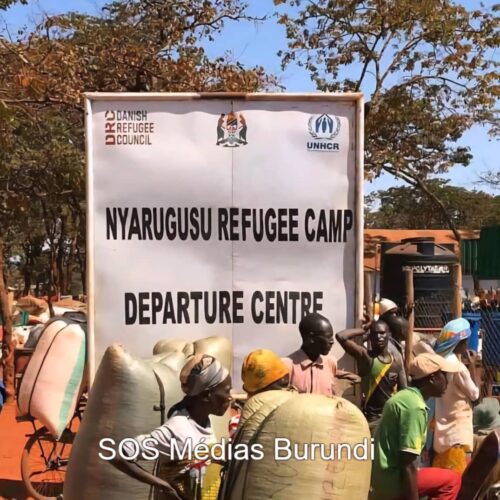

Nyarugusu, Tanzania : more than 2,300 Burundian refugees threatened with repatriation, allegations of violations denounced
SOS Médias Burundi Nyarugusu, May 25, 2026 — Tensions have escalated in the Nyarugusu refugee camp in northwestern Tanzania, where more than 2,300 Burundian refugees say they are facing what