

Mpanda : an unknown illness under surveillance; initial analyses rule out major hemorrhagic fevers
SOS Médias Burundi
Mpanda, April 13, 2026 — An as-yet-unidentified illness, responsible for several cases and deaths in the Mpanda district, has been mobilizing Burundian health authorities for several days. While initial laboratory analyses are reassuring, investigations are continuing to determine the exact origin of this illness.
👉 Read also:
The illness has been reported in the villages of Rugazi and Kibuye, in the district of Mpanda, Bujumbura province, in the west of the small East African nation. Burundian authorities indicate that the cases appeared on March 31. However, according to local sources who spoke to SOS Médias Burundi in a previous article, the first cases appeared as early as March 28.
Several cases have been recorded in this area. According to information from the World Health Organization, confirmed by reporters from SOS Médias Burundi, five deaths and 35 cases have been recorded in the Mpanda health district.
The Minister of Public Health, Lydwine Baradahana, visited the area on Saturday, April 11, accompanied by technical teams of experts. She indicated that, as soon as the first cases were reported, the government activated rapid response mechanisms. Specialized teams were deployed to conduct investigations, provide care for the sick, and monitor contacts.
In parallel, several laboratory tests were carried out to rule out highly contagious diseases. These tests included Ebola virus disease, Marburg virus disease, yellow fever, and Rift Valley fever.
“As of April 11, 2026, all results have turned negative,” the Minister stated. Despite these reassuring results, investigations are continuing to identify the source of the infection. Samples have been sent abroad for further analysis, she added.
The Ministry of Public Health is urging vigilance and strict adherence to hygiene measures. Residents are advised to seek medical attention promptly if they experience symptoms such as fever, headache, blood in the urine, jaundice, severe fatigue, abdominal pain, vomiting, or diarrhea.
Authorities also emphasize the importance of relying solely on official information to avoid the spread of rumors.
You might also like
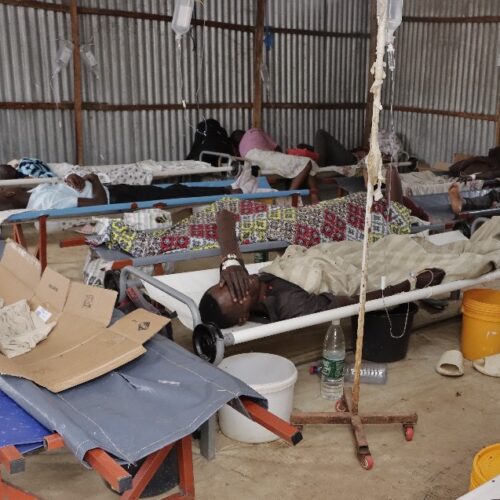
Cholera outbreak in Bujumbura : Kamenge Secondary Technical School closes as a precaution
SOS Médias Burundi Bujumbura, November 3, 2025 — Kamenge Secondary Technical School, in the urban district of Ntahangwa in Bujumbura, Burundi’s commercial capital, suspended classes on Monday morning after several

Bubanza : Masare health center manager on the run after stealing more than 16 million
Magnifique Ntahimpera, manager of the Masare health center in the district of Musigati in the province of Bubanza (western Burundi) is wanted by the police. According to our sources, he
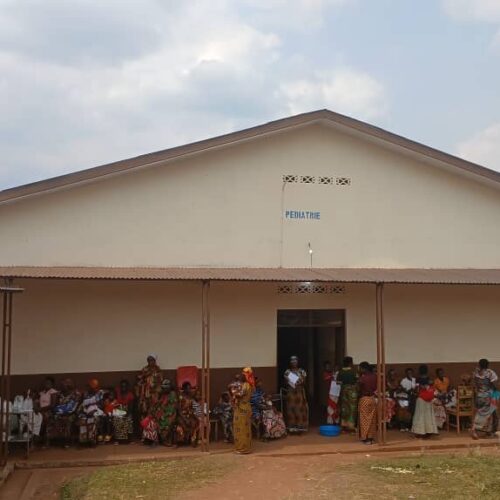

Health decentralization : a double-edged sword of power transfer to districts
SOS Médias Burundi Bujumbura, January 13, 2026 – By entrusting district administrators with the appointment of district medical officers and directors of municipal and district hospitals, the Burundian government is