

Musenyi : chronically ill people forced to survive in overcrowded sheds
SOS Médias Burundi
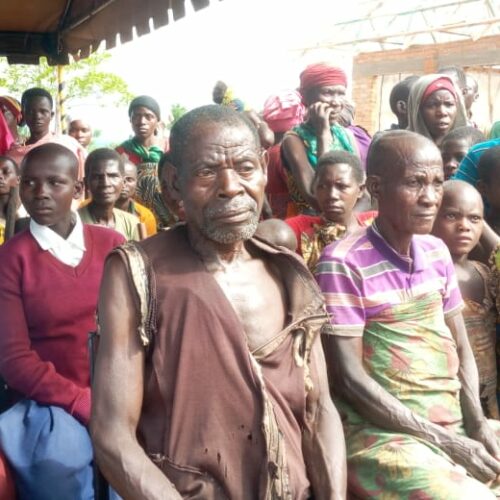
Musenyi, April 28, 2026 — At the Congolese refugee site in Musenyi, Musongati district, Burunga province, in the south of the small East African nation, living conditions remain alarming, particularly for people suffering from chronic illnesses. Housed in often overcrowded community sheds, these refugees denounce an unsuitable environment that worsens their health.
In these collective shelters, dozens of people live together in cramped, often poorly ventilated spaces. This is a difficult reality to bear for those suffering from conditions such as asthma, diabetes, sinusitis, and other chronic illnesses that require appropriate living conditions.
“At night, I hardly sleep at all.” “The humidity and dust are making my sinusitis worse. Sometimes I have severe headaches and difficulty breathing,” confides a refugee who requested anonymity. “There are many of us in the hangar, and there isn’t enough ventilation. Even when I take medication, the environment doesn’t allow me to get better. We are simply asking to be transferred to tents or to be able to build more suitable houses.”
Like him, several chronically ill people say that overcrowding is a contributing factor to their health problems. They are making an urgent appeal to the National Office for the Protection of Refugees and Stateless Persons (ONPRA) and the United Nations High Commissioner for Refugees (UNHCR) to find a suitable relocation solution.
Even among the healthy refugees, the anxiety is palpable. “There are so many of us in the hangars; sometimes several families share the same space,” explains Patrick, a refugee at the site. “The hygiene conditions are difficult and the air is stifling. If an epidemic breaks out here, it will spread rapidly and everyone will be affected. We live with this fear every day.”
The Musenyi site currently hosts nearly 22,000 refugees. Many of them arrived in early 2025, after the fall of the cities of Goma and Bukavu, the capitals of North Kivu and South Kivu respectively, to the rebels of the AFC/M23 political-military coalition, following clashes between them and the Armed Forces of the Democratic Republic of Congo (FARDC), the Congolese loyalist army, supported by Burundian troops and the Wazalendo militias backed by Kinshasa.
This massive influx has severely strained the site’s capacity to accommodate refugees. The hangars, initially intended as a temporary solution, are now occupied for extended periods, exposing refugees to precarious living conditions.
The refugees in Musenyi are therefore calling on the authorities and humanitarian organizations to implement more suitable housing solutions, particularly for people suffering from chronic illnesses.
The small East African nation still hosts some 200,000 Congolese refugees from eastern Congo.
You might also like
Tanzania: authorities raise refugees’ awareness on the respect of the laws they constantly violate
Two weeks devoted to the sensitization on the national legislation and provisions governing refugees, in the Nduta and Nyarugusu camps. Refugees find that they are protected by good legislation, which
Nakivale (Uganda) : a Burundian refugee child found dead, burned
The victim disappeared last Saturday before being found three days later, burned and mutilated, far from his village. One person has been arrested as part of the investigation. INFO SOS

Uvira (DRC): a sex worker of Burundian origin killed
Esther. N was killed on September 1 in a hotel room in Uvira. It is in the province of South Kivu in the east of the DRC. The author of